Why Property Tax Rules Have Become One Of Australia’s Most Contested Political Battlegrounds
Few issues generate stronger political reactions in Australia than housing.
For some people, property represents financial security, retirement planning and the rewards of decades of hard work.
For others, it represents a market that has become increasingly difficult to enter, particularly for younger Australians facing rising prices and larger deposits.
As housing affordability continues to dominate public discussion, tax rules connected to property investment have become a major political battleground.
What may appear to be technical tax legislation often touches some of the most important financial decisions Australians make during their lives.
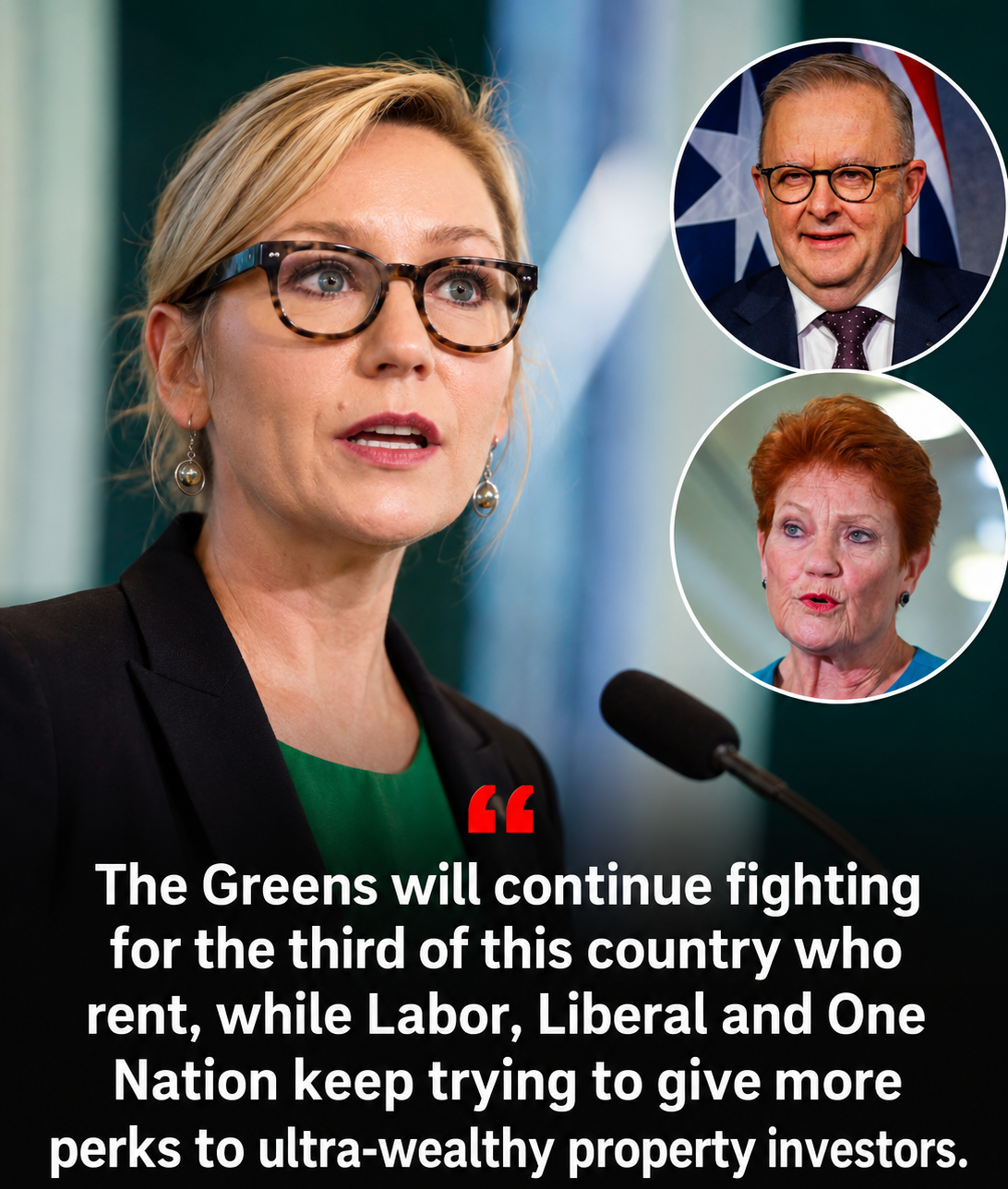
That debate has intensified again after Labor and the Greens reached an agreement allowing key tax reforms to proceed through Parliament. As part of the negotiations, amendments were introduced to limit the ability of some wealthy investors to benefit from a property-related tax arrangement that critics argued created an unfair advantage compared with ordinary taxpayers.
Supporters of the change argue that tax policy should not disproportionately reward those who already own significant assets.
They contend that housing should primarily serve as a place to live rather than a vehicle for maximising tax advantages.
According to advocates of reform, closing perceived loopholes is necessary to restore confidence that the tax system treats Australians fairly regardless of their wealth or investment structure.
Those arguments have become increasingly common as concerns about housing affordability continue to grow.
Many younger Australians face a housing market that looks dramatically different from the one experienced by previous generations.
Property prices have risen substantially over several decades.
Deposit requirements have increased.
Competition for desirable housing has intensified.
As a result, discussions about tax concessions often become discussions about access to home ownership itself.
Critics of the reforms see the situation differently.
They argue that investors play a significant role in providing rental housing and supporting new developments.
From this perspective, reducing incentives for investment could discourage participation in the market and potentially reduce housing supply over time.
Some economists and industry representatives have warned that frequent changes to investment rules may create uncertainty that affects long-term decision-making.
The disagreement reflects a broader question facing many developed economies.
How should governments balance housing affordability with investment incentives?
There is no simple answer.
Encouraging investment can increase housing supply.
But excessive incentives may also contribute to higher asset prices.
Reducing incentives may improve perceptions of fairness.
Yet it can also alter investor behaviour in ways that policymakers do not fully anticipate.
That complexity helps explain why housing tax policy remains politically sensitive.
Even relatively small legislative changes can influence decisions involving millions of dollars and millions of households.
The current reforms form part of a much larger national conversation about wealth and opportunity.
Questions that were once confined to economic policy circles are now common topics around family dinner tables.
Should investors receive special tax treatment?
Should housing be taxed differently from other assets?
How much responsibility should government assume for improving affordability?
And what constitutes a fair balance between rewarding investment and supporting first-home buyers?
These questions have become increasingly important because property ownership plays a central role in wealth accumulation across Australia.
For many households, the family home is their largest asset.
For investors, property can represent a significant source of long-term wealth creation.
For governments, housing policy affects economic growth, taxation revenue and social stability.
As a result, debates about property tax rules rarely remain limited to taxation.
They quickly expand into discussions about economic fairness, generational opportunity and the future structure of Australian society.
The involvement of the Greens in the latest negotiations has also highlighted the growing influence of crossbench parties in shaping major economic legislation.
Increasingly, governments must negotiate with smaller parties to secure passage of significant reforms.
That process often produces compromises, amendments and unexpected policy outcomes.
Supporters argue this encourages scrutiny and accountability.
Critics argue it can create uncertainty and complexity.
Either way, it has become a defining feature of modern Australian politics.
The latest agreement may resolve one legislative battle.
But it is unlikely to end the broader debate.
Housing affordability, property investment and tax fairness remain among the most important issues facing policymakers.
Future governments will almost certainly revisit these questions as economic conditions evolve and public expectations change.
Ultimately, the argument is not only about a particular tax provision.
It is about competing visions of how wealth should be created, protected and distributed in Australia.
That conversation has been building for years.
And there is little sign that it will end any time soon.






