A man has been charged after police allege staff at Western Australian minister Hannah Beazley’s electorate office were threatened by someone carrying an improvised martial arts weapon. No one was injured and Beazley was not present. The incident has focused attention on the security of electorate workers, while the criminal allegations against the accused must be treated as unproven.
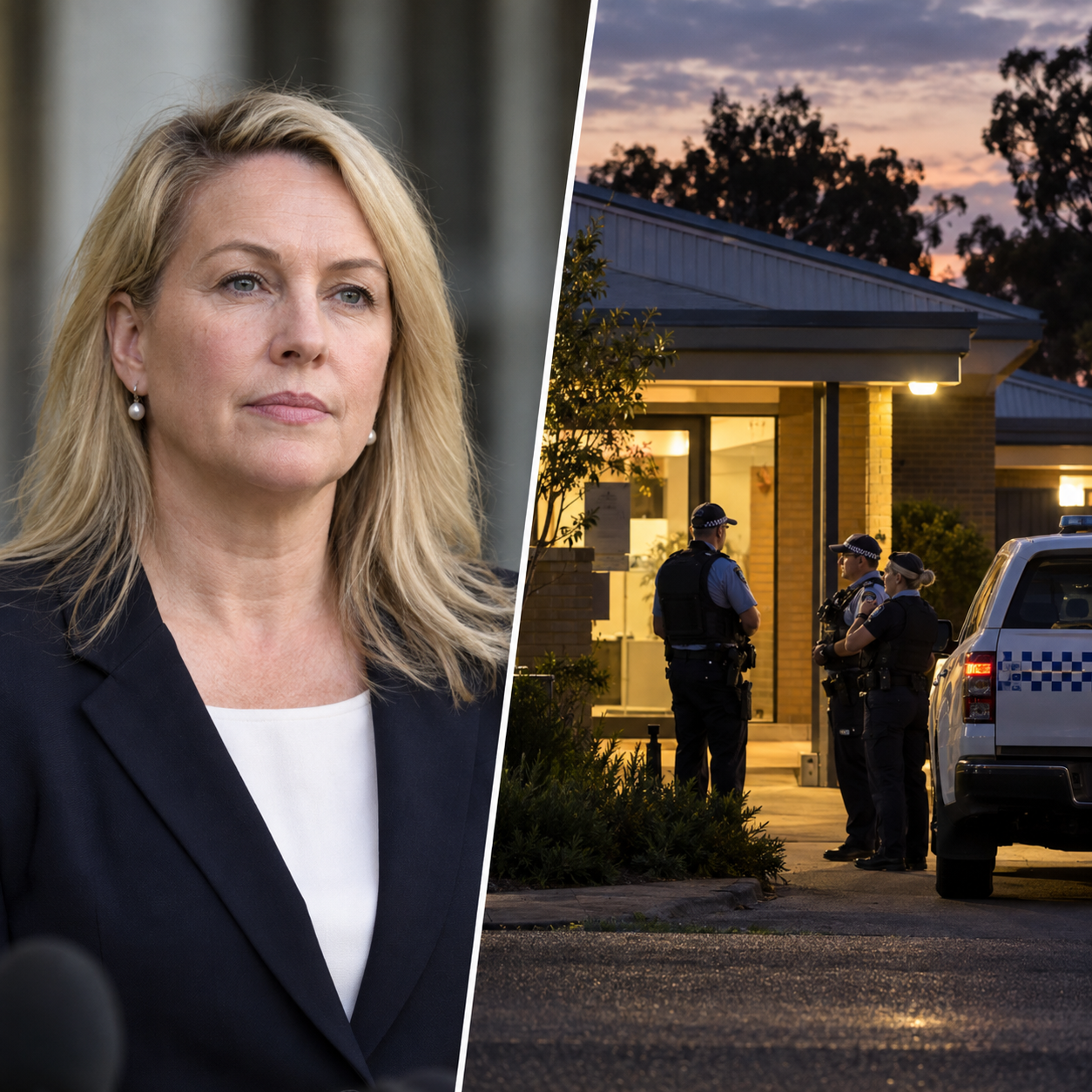
Western Australia Police said officers were called to an office on Albany Highway in Victoria Park following a report of a disturbance. Investigators allege a man made verbal threats while possessing an object police described as nunchucks. Officers located a 56-year-old man in nearby Bentley, arrested him and laid charges. The police account provides the basis for reporting the alleged conduct, but it does not establish guilt.
The charges reported in a police statement include being armed in a way that may cause fear, making a threat to unlawfully do an act, and possessing cannabis. These are distinct alleged offences, not alternative descriptions of a conviction. A person charged with a crime retains the presumption of innocence and is entitled to challenge the prosecution’s account. It is especially important to avoid shortening the story to an assertion that a man attacked an MP: no such attack on Beazley was reported.
The question of what the man was carrying has also been raised in court. An AAP account of the accused’s appearance reported that his lawyer queried the description of the object, and that the defendant referred to percussion instruments. That does not resolve the factual dispute, but it shows why a publisher should consistently attribute the nunchucks description to police rather than present it as an uncontested court finding. The report said no plea was required at that appearance.
Beazley acknowledged that her staff had experienced a confronting situation and said their wellbeing was her immediate priority. Although no injuries were reported, workers can be shaken by alleged threats even when physical harm is avoided. Electorate offices are workplaces, but they are also important contact points between the public and elected representatives. Keeping them approachable while protecting staff is a difficult balance for political offices and security advisers.
The incident has drawn attention partly because of separate concern about threats against Australian politicians. Another case involving independent federal MP Helen Haines has been the subject of police action and extensive reporting. The two cases must remain separate. Authorities have not established that the accused in Beazley’s office was connected to the person charged in the Haines matter, and the circumstances and alleged offences are not interchangeable.
The broader safety issue extends beyond politicians themselves. Electorate officers help constituents navigate public services, arrange appointments, manage correspondence and direct policy concerns to representatives. A resident should be able to complain forcefully about government decisions, but threats against the people receiving those complaints are not acceptable democratic participation. This is a principle relevant to all parties and independents, regardless of the political position of the office holder.
Security responses may involve staff training, clear emergency procedures, physical arrangements and support after an incident. It would be premature to claim that any particular new policy has been ordered in response to the Victoria Park allegations unless an official decision has been announced. Nor should debate about stronger security automatically become an argument that electorate offices ought to close themselves off from the communities they serve.
The public has a legitimate interest in the proceedings because an alleged threat occurred at a democratic institution. That interest does not justify unnecessary personal speculation about the accused, his motivation or mental health. Court reports may describe submissions by a lawyer, but allegations and submissions should not be converted into medical facts or final legal findings. Careful reporting protects the integrity of the court process and the rights of everyone involved.
An electorate office is different from a private political headquarters. Constituents may approach staff for help understanding government services, contacting agencies or raising local concerns, including some who are distressed or frustrated. Keeping access open is important to representative government, but a public-facing workplace must also plan for hostile encounters. The alleged incident at Beazley’s office illustrates that tension without proving the individual charged intended any broader political campaign. The evidence in the criminal case remains for the court, while the general question of workplace safety can be examined separately.
Western Australia’s WorkSafe guidance defines work-related violence and aggression broadly, including threats, intimidation and conduct capable of causing psychological as well as physical harm. It explains that workplaces should identify hazards, train people to respond and provide procedures for reporting incidents. That framework is relevant whether the workplace is a public office, retail counter, medical reception area or community service. It does not mean the regulator has found a breach at the electorate office in this story, nor does it establish that any particular protective measure would have prevented the alleged encounter.
Practical safety controls need to balance risk reduction with the reason an office exists. Staff may need clear arrangements for contacting police, an agreed response to escalating behaviour, suitable exits and support after a frightening event. Measures should reflect the actual risks in the workplace rather than automatically treating every visitor as a potential offender. A security change that makes it impossible for vulnerable constituents to seek assistance could create a separate public-service problem. The point is to design access and safety together, not to use a single incident as proof that open electorate offices are unworkable.
The financial side of that task is also real, even though costs specific to Beazley’s office have not been reported. Training, alarm systems, secure reception design and additional staffing all require resources. Public authorities must decide which measures are proportionate and who is responsible for funding them. There may also be costs associated with counselling or temporary changes to working arrangements after an incident. None of those possible expenses should be presented as an invoice already incurred in this case. They are examples of the ordinary budget choices behind safe public-facing services.
WorkSafe WA advises that a prevention plan should include instructions for immediate response, staff reporting, investigation and recovery. After an incident, employers should consider whether risk controls need revision and what support is appropriate for affected workers. Such review is distinct from an assessment of criminal guilt. A person can face allegations in court while an organisation separately examines how to improve its own safety systems. Equally, reviewing procedures is not an admission that the previous arrangements were negligent.
The wider relevance is clear in other workplaces with a high volume of difficult conversations. A customer service employee may be required to explain an unwelcome billing decision, while a healthcare worker may interact with someone under intense stress. The staff member cannot always control the visitor’s reaction. Employers nevertheless have responsibilities to assess foreseeable hazards and provide workable responses. A protected workplace can reduce the human and organisational costs of absences, stress and turnover, although no saving can be quantified from the facts reported about this office.
Criminal procedure imposes a different form of discipline. A charge records an allegation the authorities consider should be tested by the court; it does not establish that the events happened exactly as police describe. Media reports also note a dispute over how the object allegedly carried should be characterised. That contested point must not be presented as resolved by an image caption or a dramatic visual reconstruction. The case should remain distinct from the alleged vehicle attack involving another Australian parliamentarian, which concerns different people and circumstances.
For constituents, the longer-term question is whether they can continue to seek assistance without exposing office workers to unreasonable danger. A sound response could involve clearer protocols and support, but decisions belong to those responsible for assessing the risks and administering the workplace. The confirmed news is that a man has been charged after allegations involving an electorate office and that nobody was reported injured. Everything beyond that, including the outcome of the criminal charges and any new security measures, must be supported by later evidence.
As the criminal matter proceeds, the facts to keep separate are straightforward. Police allege threatening conduct at Beazley’s office; the person arrested has been charged; the object description is contested in reporting from court; no one was injured; and the minister was absent. The charges will need to be tested through the ordinary legal process. The incident also leaves a wider unresolved question about how Australia can protect public-facing political staff without eroding the accessibility that elected offices are meant to provide.