Why Political Debate Matters More Than Political Disagreement
Political disagreement is nothing new.
Every democracy depends upon competing ideas.
Different priorities.
Different philosophies.
Different visions for the future.
The real test is not whether disagreement exists.
It is how societies respond to it.
Recent comments from Pauline Hanson responding to criticism of her political position have once again highlighted the role that public debate plays in Australian democracy. While reactions to her remarks have varied, the broader significance lies in how political ideas are challenged, defended and ultimately evaluated by the public.
Democratic societies rely upon open discussion.
Political leaders present proposals.
Opponents offer criticism.
Supporters provide counterarguments.
Voters assess competing perspectives.
This ongoing exchange forms part of the normal democratic process.
Modern communication has accelerated these conversations.
Television.
Online news.
Podcasts.
Social media.
Political debate now unfolds continuously rather than only during election campaigns.
That environment allows more voices to participate but also increases the speed at which disagreements develop.
Supporters of robust political discussion argue that elected representatives should be free to explain and defend their policy positions while accepting public scrutiny.
Open debate enables citizens to compare ideas and decide which proposals they find most persuasive.
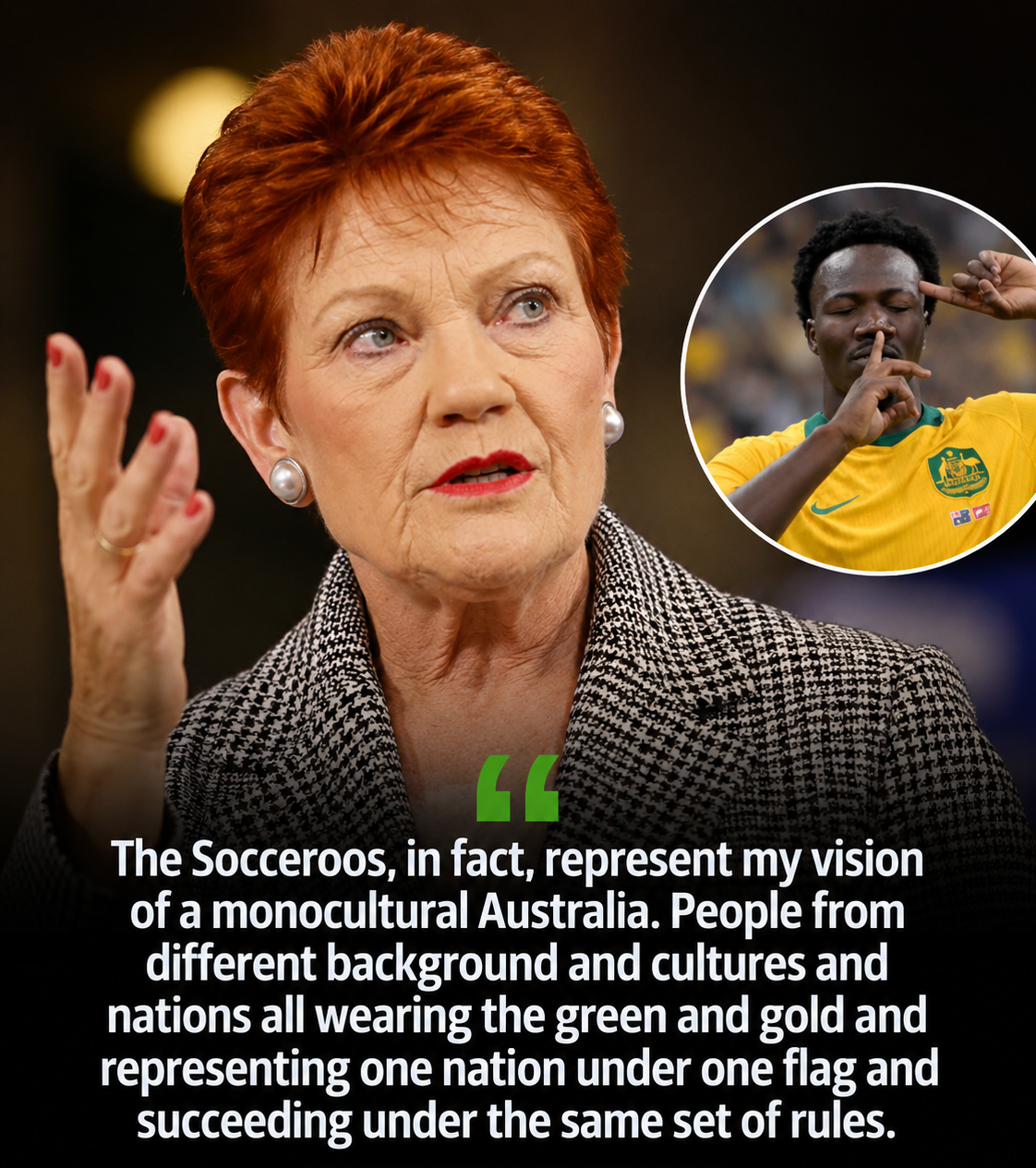
Critics note that strong public reactions are also an important part of democratic accountability.
Political leaders regularly face questioning from journalists, political opponents, community groups and members of the public.
Such scrutiny helps ensure policies receive detailed examination before voters form their own conclusions.
Neither vigorous criticism nor firm political defence is unusual in democratic politics.
Both are features of an open political system where differing viewpoints compete for public support.
What ultimately matters is that discussion remains grounded in evidence, respectful engagement and the rule of law.
Australia’s political landscape has become increasingly diverse over recent years.
Major parties.
Minor parties.
Independent members.
Community campaigns.
Each contributes different perspectives to national conversations.
This diversity means public debate is likely to remain energetic across a wide range of policy issues.
Technology has further transformed political engagement.
Citizens can now respond immediately to speeches, interviews and policy announcements.
Public opinion develops rapidly.
Political messaging evolves just as quickly.
That creates new opportunities for engagement while also increasing the importance of thoughtful public discussion.
Reasonable Australians will often disagree on significant policy questions.
Some support particular proposals.
Others oppose them.
Many remain undecided while considering competing arguments.
That diversity of opinion is an expected feature of democratic society rather than a sign of institutional weakness.
Ultimately, the strength of democracy depends less on unanimous agreement than on the willingness of citizens to engage with different viewpoints, evaluate evidence and participate constructively in public debate.
Political disagreement may attract headlines.
The quality of the debate is what ultimately shapes informed public decision-making.






