Why Paid Parental Leave Has Become One Of Australia’s Biggest Policy Debates
Few public policy issues generate as much discussion as family support.
Questions about paid parental leave, childcare, workforce participation and family finances affect millions of Australians directly.
They also influence some of the biggest long-term challenges facing the country.
Population growth.
Economic productivity.
Labour shortages.
Gender equality.
And the financial wellbeing of future generations.
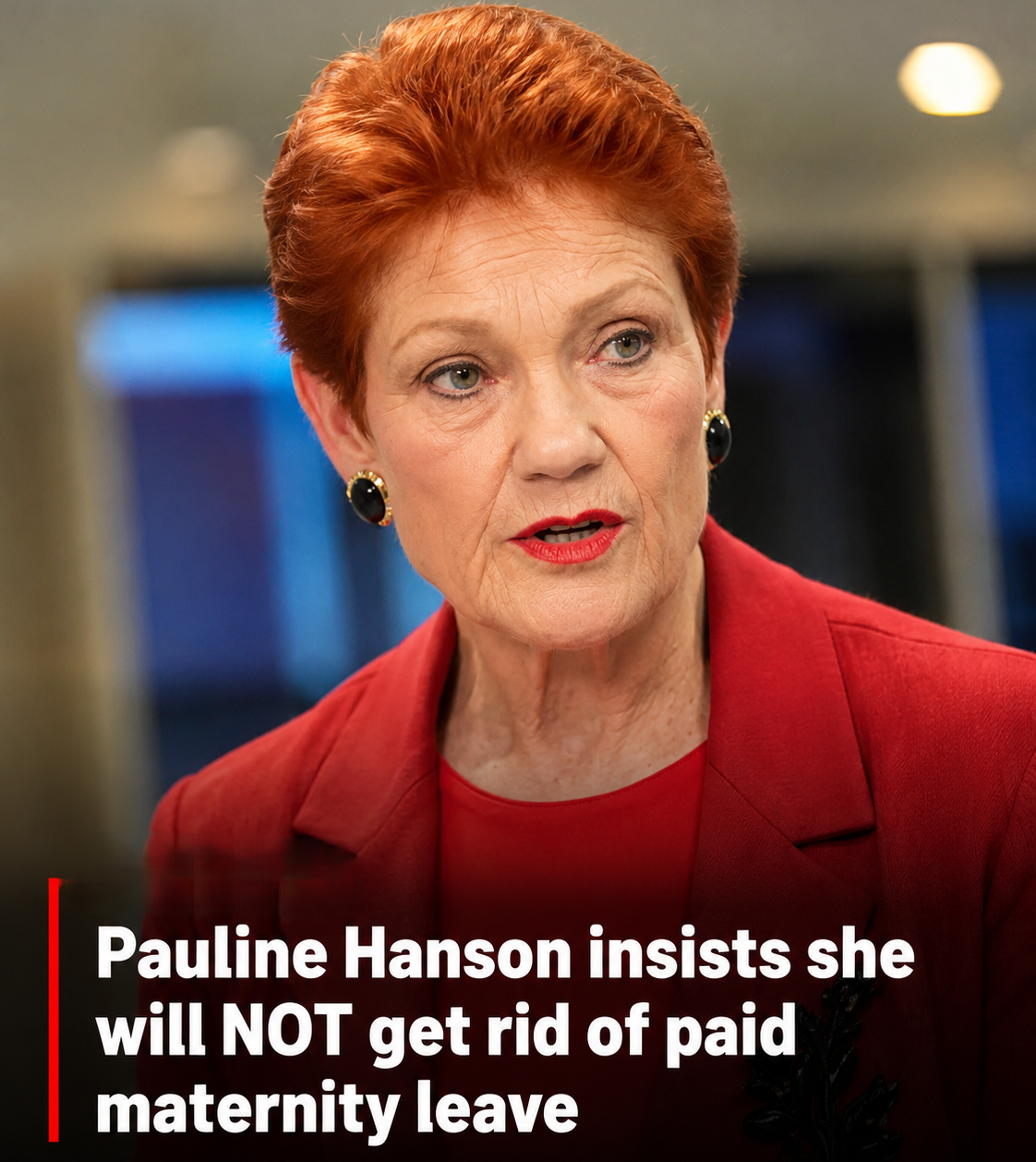
Recent political debate surrounding comments made by One Nation leader Pauline Hanson has once again placed paid parental leave at the centre of public discussion. Hanson has argued that her remarks were taken out of context, while critics and supporters continue debating what role government should play in supporting families with young children.
Although political controversies often dominate headlines, the underlying issue is far bigger than any individual politician.
Australia, like many developed countries, is facing significant demographic and economic pressures.
Birth rates have fallen.
The population is ageing.
Workforce shortages have become a concern in several industries.
Governments are increasingly searching for policies that help families balance work and raising children.
Paid parental leave sits at the centre of that conversation.
Originally introduced as a way to help parents spend time with newborn children without immediately losing income, parental leave programs have expanded in many countries over the past two decades.
Supporters argue that such policies provide important financial stability during one of the most expensive and demanding periods of family life.
Research from multiple countries has suggested that access to parental leave can improve workforce attachment, particularly for women, while also supporting child development outcomes.
At the same time, governments must consider the cost of these programs.
Paid leave schemes involve substantial public expenditure and can become politically contentious when budgets are under pressure.
That tension often creates debate over how generous programs should be, who should qualify and how long support should continue.
Australia’s discussion reflects a broader international trend.
Across Europe, North America and parts of Asia, governments are grappling with declining fertility rates and concerns about population ageing.
Many policymakers are examining whether stronger family support measures can help address these challenges.
However, evidence suggests there is no simple solution.
Financial support is only one factor influencing decisions about having children.
Housing affordability also matters.
Childcare costs matter.
Job security matters.
Work-life balance matters.
Cultural attitudes matter.
Economic confidence matters.
As a result, parental leave often becomes part of a much larger discussion about family policy.
For younger Australians, these questions can feel particularly important.
Many families face rising housing costs, higher living expenses and uncertainty about future financial conditions.
In that environment, decisions about starting or expanding a family can become more complex.
Business groups also have a stake in the debate.
Employers often seek policies that help attract and retain skilled workers while remaining financially sustainable.
Some businesses view family-friendly policies as an important tool for workforce participation and employee retention.
Others raise concerns about compliance costs and administrative burdens.
Governments must balance these competing interests.
The discussion is therefore not simply about leave entitlements.
It is about how Australia wants to support families while maintaining economic competitiveness.
It is about how workplaces adapt to changing expectations.
And it is about how policymakers respond to long-term demographic trends.
The intensity of the recent political debate highlights how strongly Australians feel about these issues.
Family policy touches personal experiences, financial realities and deeply held values.
That combination often produces passionate disagreement.
Yet beneath the political arguments, there is also substantial common ground.
Most Australians want children to have a strong start in life.
Most parents want the ability to care for their families without facing unnecessary financial hardship.
Most employers want a productive and stable workforce.
The challenge lies in designing policies that balance all three objectives.
As Australia continues debating the future of parental leave, those broader questions are likely to remain at the forefront.
The political controversy may eventually fade.
But the issues driving the discussion—family finances, workforce participation and demographic change—are likely to shape public policy for many years to come.






