Why More Australians Are Looking Beyond The Major Parties
Australian politics has long been dominated by two major forces.
For generations, most federal elections have ultimately come down to a contest between Labor and the Coalition.
But recent political developments suggest that many voters are becoming increasingly willing to look elsewhere.
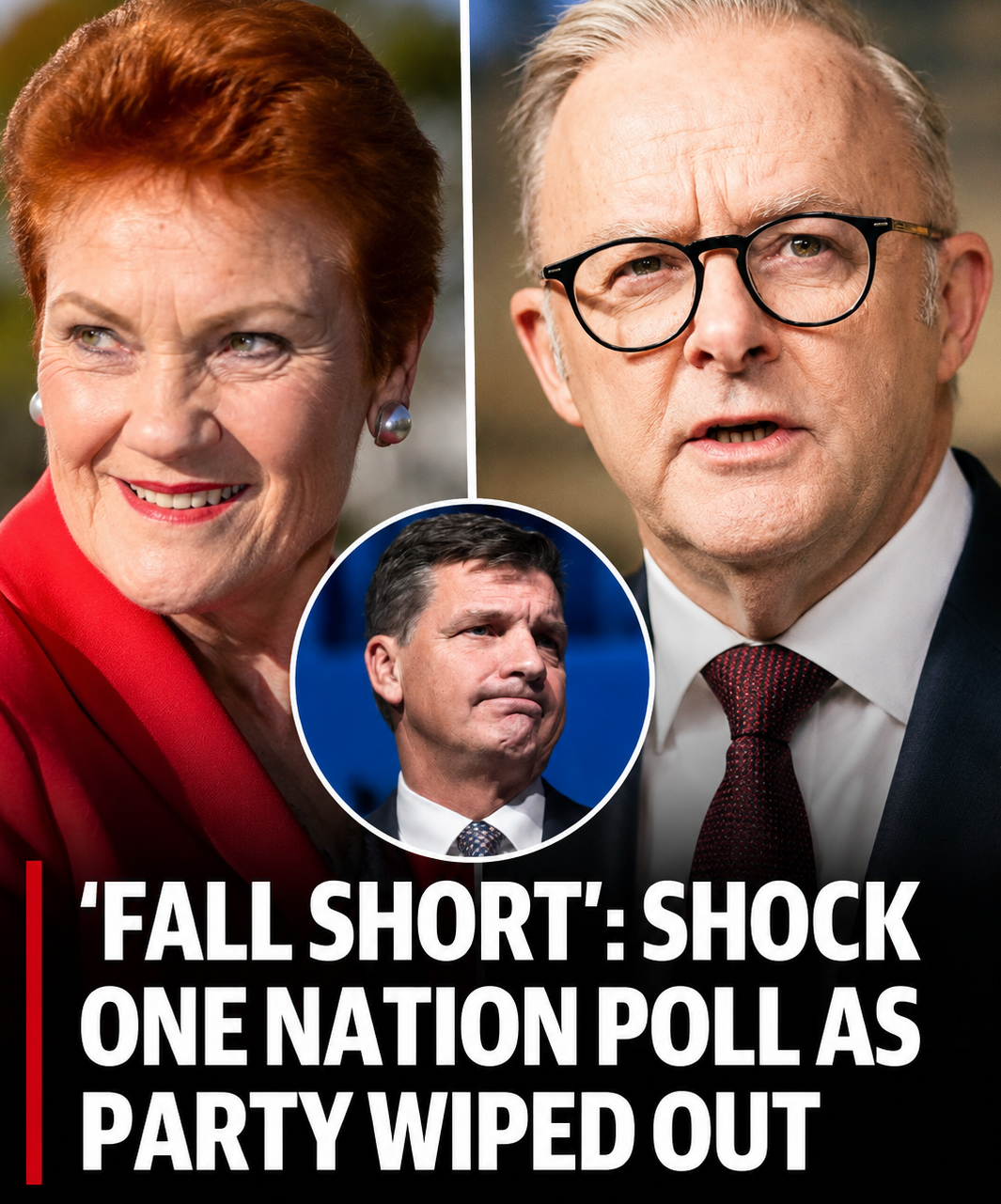
A new poll indicating strong support for Pauline Hanson’s One Nation has reignited debate about whether Australia’s political landscape is undergoing a significant transformation.
While individual polls provide only a snapshot of public sentiment, the broader trend is difficult to ignore.
Across Australia, minor parties and independents have become increasingly influential in recent years.
Voters who once viewed alternative parties as protest options are now treating them as serious political choices.
The rise of One Nation is occurring against a backdrop of growing frustration among some voters.
Cost-of-living pressures remain high.
Housing affordability continues to dominate public discussion.
Migration, energy policy and government spending remain highly contested issues.
When voters feel that major parties are not adequately addressing their concerns, support for alternatives often increases.
This pattern is not unique to Australia.
Across many democratic nations, traditional political loyalties have weakened over the past decade.
Voters are increasingly willing to switch support between parties, back independents or support political movements that challenge the status quo.
In Australia, that shift has produced a more fragmented political environment.
The major parties still attract the largest share of votes, but their dominance is no longer as secure as it once appeared.
For One Nation, this environment creates opportunities.
The party has spent years positioning itself as a voice for Australians who believe their concerns about migration, national identity, cost-of-living pressures and regional communities have not received sufficient attention from mainstream politics.
Supporters argue that One Nation is speaking to issues that many voters discuss privately but feel are often ignored by political elites.
Critics argue that the party’s solutions are often less detailed than the problems it identifies.
Yet politics is not driven solely by policy detail.
Voter sentiment often begins with a simple question:
Do people feel heard?
That question may be one of the most important factors behind the current political shifts.
Many Australians express frustration not only with specific policies but also with the broader political system.
Trust in institutions has become a recurring topic in public debate.
Confidence in governments, media organisations and political parties has fluctuated significantly in recent years.
When trust declines, voters often become more open to alternatives.
This helps explain why minor parties can sometimes grow rapidly during periods of uncertainty.
Their appeal is often driven less by traditional ideological loyalties and more by dissatisfaction with existing arrangements.
For Labor, the challenge is convincing voters that its policies are improving living standards and addressing the pressures facing households.
For the Coalition, the challenge is preventing dissatisfied conservative voters from moving toward alternatives such as One Nation.
Both major parties face a political environment that is becoming more competitive and less predictable.
At the same time, One Nation faces its own test.
Polling momentum and electoral success are not always the same thing.
As support grows, voters often expect more detailed explanations about how policies would be implemented and what outcomes they would produce.
The scrutiny applied to larger parties eventually extends to rising parties as well.
That is the natural consequence of becoming a more significant political force.
Nevertheless, the current discussion extends beyond the fortunes of any single party.
It raises broader questions about the future of Australian politics.
Will voters continue moving away from the traditional two-party model?
Will minor parties gain even greater influence in future parliaments?
Will dissatisfaction with established political institutions continue to grow?
These questions are becoming increasingly important.
Australia’s political system is evolving.
The forces driving that evolution include economic pressures, demographic change, media fragmentation and shifting voter expectations.
Whether One Nation ultimately benefits the most from those changes remains to be seen.
What is already clear is that many Australians are rethinking old political loyalties and exploring new options.
That trend may prove to be one of the most significant political stories of the coming decade.






