Why Fear, Uncertainty And Pessimism Are Reshaping Modern Politics
Political movements rarely grow in a vacuum.
When voters begin looking for alternatives, the explanation is often deeper than a single election campaign, a single speech or a single policy debate.
More often, it reflects how people feel about the direction of their country and their confidence in the future.
That is why surveys measuring public sentiment can sometimes reveal more than traditional voting polls.
They help explain not just how people intend to vote, but why they are thinking differently in the first place.
Recent discussion surrounding the latest Lowy Institute Poll has focused on a striking theme: many Australians appear to be feeling increasingly uncertain about the future. Researchers found rising levels of pessimism regarding economic conditions, growing concern about global instability and declining confidence in several institutions and international actors.
These findings matter because political behaviour is often influenced by emotion as much as economics.
People do not simply vote based on spreadsheets and policy documents.
They vote based on how secure they feel.
How optimistic they are.
Whether they believe their children will have better opportunities than they did.
And whether they think the country is moving in the right direction.
The Lowy survey suggests many Australians are becoming less confident about several of those questions. More than half of respondents reported concerns about Australia’s economic outlook, while feelings of global insecurity reached some of the highest levels recorded by the survey.
This kind of public mood has historically created opportunities for political movements that position themselves as alternatives to the status quo.
That pattern has appeared repeatedly across democratic countries.
Periods of economic uncertainty, rapid social change and declining trust in institutions often coincide with increased support for outsider candidates and non-traditional political parties.
Australia is not immune to those trends.
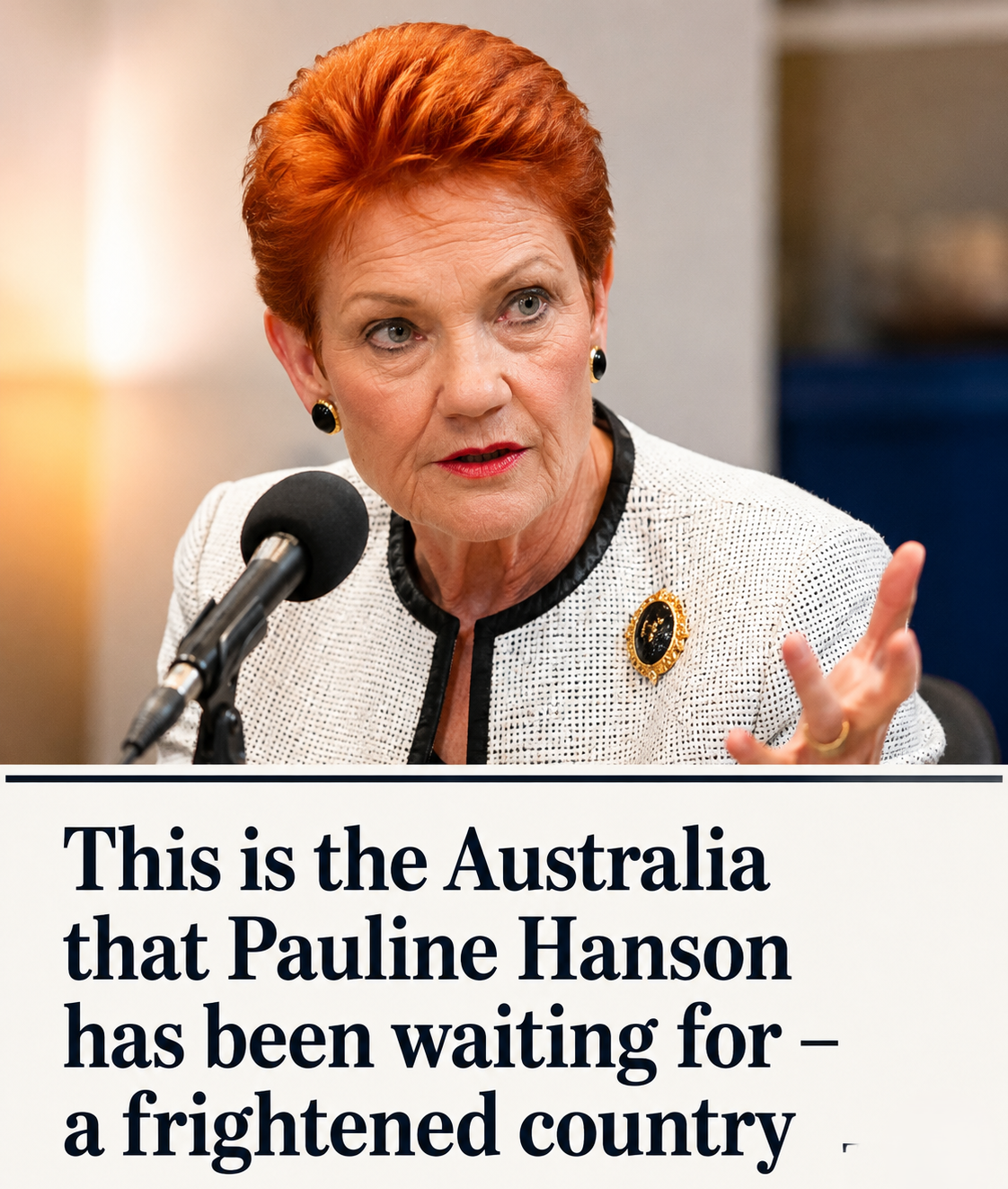
Recent polling and political analysis have highlighted growing support for One Nation and other political alternatives, with some commentators arguing that voter frustration has become an increasingly powerful force in Australian politics.
Importantly, frustration does not always emerge from a single issue.
For some voters, the concern may be housing affordability.
For others, it may be cost-of-living pressures.
Others focus on migration, infrastructure, healthcare access or broader questions about national identity and social cohesion.
These concerns often overlap rather than operate separately.
When multiple pressures are felt simultaneously, public confidence can weaken.
The Lowy poll also identified a significant shift in attitudes toward multiculturalism and immigration.
Support for multiculturalism remained high overall but recorded one of the sharpest declines in the survey’s history, while a majority of respondents expressed concern that migration levels were too high.
Such findings do not automatically translate into voting behaviour.
However, they can signal broader social and political currents that parties closely monitor.
Political strategists often pay as much attention to underlying sentiment as they do to voting intention.
The reason is simple.
Attitudes usually change before votes do.
People first become dissatisfied.
Then they begin reconsidering old loyalties.
Only later do those changes become visible at the ballot box.
This process is occurring across much of the Western world.
In Europe, North America and Australia, political systems have experienced increasing fragmentation as voters become less attached to traditional party structures.
Major parties now compete not only against each other but also against a growing number of alternatives promising different approaches to longstanding problems.
Many analysts believe this reflects a broader crisis of confidence.
Trust in institutions has become harder to maintain in an era of social media, economic disruption and constant exposure to global events.
People compare their circumstances not only with previous generations but with what they see happening around the world.
As a result, local concerns often become connected to international anxieties.
The Lowy findings illustrate this dynamic clearly.
Concerns about economic performance were accompanied by worries about international security, geopolitical instability and Australia’s place in an increasingly uncertain world.
For political leaders, that creates a significant challenge.
Policies alone may not be enough to restore confidence if voters feel broader forces are moving beyond their control.
Governments can improve economic indicators and still struggle to improve public sentiment.
Likewise, opposition parties can gain support even before presenting detailed solutions if they successfully tap into public frustration.
This helps explain why debates about voter behaviour have become increasingly intense.
The key question is no longer simply which party people support.
The deeper question is why so many people appear dissatisfied in the first place.
Whether that dissatisfaction is driven primarily by economics, social change, housing pressures, migration, institutional trust or a combination of all these factors remains a matter of ongoing debate.
What seems increasingly clear, however, is that public mood matters.
And when a nation becomes more fearful, uncertain or pessimistic about the future, its politics often changes as well.






