Why Economic Confidence Has Become The New Political Battleground In Australia
Political slogans come and go.
Some disappear within days.
Others gain attention because they tap into a much bigger debate already taking place across the country.
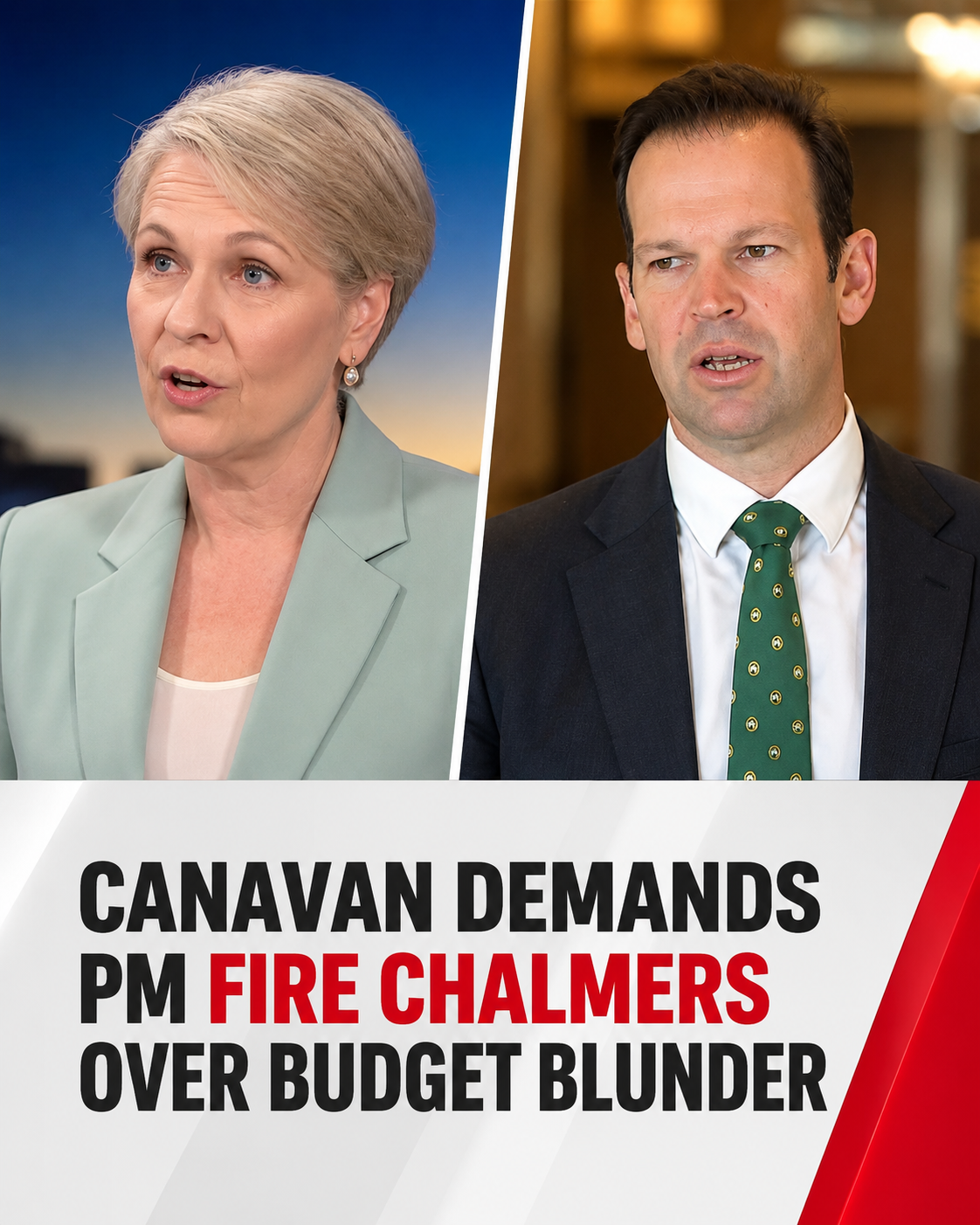
The latest political clash over Treasurer Jim Chalmers and the federal budget is one example.
What began as criticism of recent tax changes and housing policies has evolved into a wider argument about economic confidence, investment certainty and the future direction of Australia’s economy.
Recent weeks have seen fierce discussion surrounding the Albanese Government’s budget reforms and housing policies.
Critics argue that policy uncertainty has damaged business confidence, unsettled investors and contributed to growing concerns about the economy’s direction. Supporters of the government argue the reforms are necessary to improve housing affordability and create a fairer system for future generations.
The debate has become increasingly focused on one concept.
Confidence.
Economic confidence may sound like an abstract idea, but its effects are felt throughout the economy every day.
Businesses hire workers when they feel confident.
Families make major purchases when they feel secure.
Investors commit capital when they believe policy settings will remain predictable.
When confidence weakens, spending, investment and hiring decisions can all be affected.
That is why confidence often becomes one of the most valuable assets any government possesses.
Housing sits at the centre of this discussion.
For many Australians, property is both a home and a major financial asset.
Changes in house prices influence household wealth, retirement planning and consumer spending.
As a result, debates about housing affordability quickly become debates about the broader economy.
Recent market data has shown softer auction results and weaker activity in some markets, prompting competing interpretations from politicians and economists. Some view this as evidence of a market adjustment, while others see it as a warning sign for confidence and investment.
The government maintains that housing affordability has become a serious national challenge.
Supporters of recent reforms argue that younger Australians have struggled to enter the housing market because prices have grown faster than wages for many years.
From this perspective, slower growth in house prices may help improve accessibility without requiring a dramatic market collapse.
Opponents disagree.
They argue that uncertainty surrounding taxation, investment rules and property incentives may discourage investment and reduce confidence across the broader economy.
Their concern is that even well-intentioned reforms can have unintended consequences if investors and businesses lose confidence in future policy settings.
This disagreement reflects a deeper philosophical divide about economic management.
Should governments prioritise affordability even if it creates short-term market disruption?
Or should governments focus primarily on stability and confidence, allowing market forces to adjust more gradually?
Neither side offers an easy answer.
Both objectives matter.
Australians want affordable housing.
They also want strong employment, growing wages and a stable economy.
The challenge for policymakers is balancing those goals.
The stakes are high because housing affects almost every corner of economic life.
Construction activity supports jobs.
Property investment influences retirement savings.
Household wealth affects spending decisions.
Local communities depend on economic growth generated by both consumers and businesses.
As a result, even relatively small policy changes can trigger national debates.
The current argument over budget reforms is therefore about much more than one politician or one slogan.
It is about how Australians believe economic prosperity should be created and maintained.
It is about the role of government in shaping markets.
It is about balancing affordability with confidence.
And it is about determining which policies will best position Australia for the challenges of the next decade.
Political attacks may dominate headlines.
But beneath the rhetoric lies a more important conversation.
Australians are increasingly asking whether the country’s economic settings are delivering the outcomes they expect.
Can young people afford homes?
Will businesses continue investing?
Can wages keep pace with living costs?
Will economic growth remain strong enough to support future prosperity?
These are the questions shaping public opinion.
They are also the questions likely to dominate Australian politics long after the latest slogans have faded from public debate.
For governments and oppositions alike, the lesson is clear.
Winning arguments matters.
But maintaining public confidence may matter even more.






