Why Cost Of Living And Crime Continue To Shape Queensland Politics
Election campaigns are rarely decided by slogans alone.
They are shaped by the issues voters consider most important.
Household budgets.
Community safety.
Healthcare.
Housing.
Political parties constantly adjust their priorities as public concerns evolve.
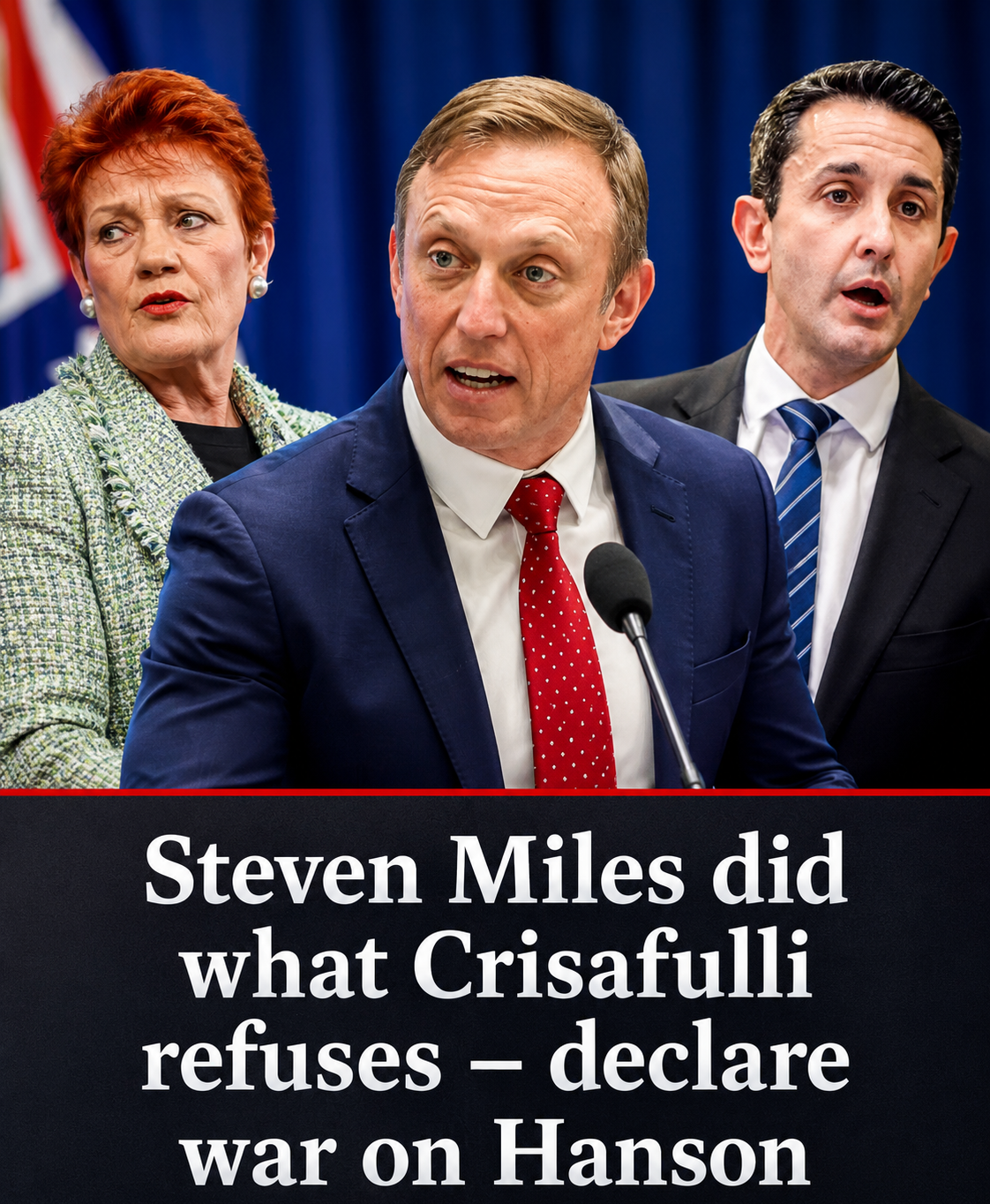
Recent political analysis has suggested that Queensland Labor leader Steven Miles is placing renewed emphasis on crime and cost-of-living policies as key campaign themes. While individual campaign strategies naturally attract attention, the broader story concerns why these issues continue to dominate political debate across Queensland.
Cost of living remains one of the most significant concerns for many households.
Higher everyday expenses.
Housing affordability.
Energy costs.
Household budgeting.
These pressures often influence how voters evaluate governments and opposition parties alike.
Community safety is another issue that consistently receives public attention.
Residents expect effective policing.
Fair justice systems.
Crime prevention initiatives.
Support for victims.
Political leaders frequently propose different approaches to achieving these objectives.
Election campaigns therefore become opportunities for competing policy ideas.
Governments explain their record.
Oppositions present alternative proposals.
Independent candidates raise local priorities.
Ultimately, voters compare these competing visions before making their choices.
Campaign strategies often evolve as public opinion changes.
Political parties monitor community concerns through public meetings, parliamentary debate, research and ongoing engagement with constituents.
When particular issues rise in importance, campaign messaging frequently shifts to reflect those priorities.
That process is common across democratic systems.
Policy announcements, however, represent only one part of the electoral process.
Voters also consider implementation.
Funding.
Administrative capacity.
Long-term outcomes.
Many Australians evaluate both the promises being made and the likelihood that those commitments can be delivered.
Queensland’s political landscape has become increasingly competitive.
Major parties continue refining their platforms while responding to changing economic conditions and community expectations.
This dynamic encourages ongoing debate about the most effective policy responses to complex challenges.
Reasonable voters may disagree about which approaches offer the best solutions.
Some prioritise economic measures.
Others focus on community safety.
Many consider a combination of both.
That diversity of opinion reflects the broad range of experiences across Queensland communities.
Ultimately, elections are shaped less by individual headlines than by the issues people encounter in their daily lives.
As long as cost-of-living pressures and community safety remain significant public concerns, they are likely to continue influencing campaign strategies, policy debates and electoral outcomes throughout Queensland.






