Why Australia’s Biggest Tax Debate Is Really About Who Carries The Economic Burden
Tax debates are rarely just about tax.
They are usually debates about fairness.
About opportunity.
About who should contribute more.
And about who benefits most from the rules that governments create.
That is why major tax reforms almost always trigger fierce political battles.
The numbers may appear technical.
The consequences are not.
They affect investment decisions, housing markets, retirement planning, business growth and household finances.
In other words, they affect everyday life.
Australia has once again found itself at the centre of such a debate after the Albanese Government secured support from the Greens for a major package of tax reforms. The agreement is expected to guarantee passage of key legislation involving capital gains tax, negative gearing and several related tax measures.
On the surface, the discussion appears to be about specific tax mechanisms.
Capital gains discounts.
Negative gearing rules.
Property investment incentives.
Superannuation arrangements.
But beneath those details lies a much bigger question.
Who should bear the economic burden of funding government services and public spending in modern Australia?
That question has become increasingly important as housing affordability, wealth inequality and cost-of-living pressures move to the centre of national political debate.
Supporters of reform argue that existing tax settings have distorted investment decisions for decades.
They contend that some concessions encourage capital to flow into established housing assets rather than productive economic activity.
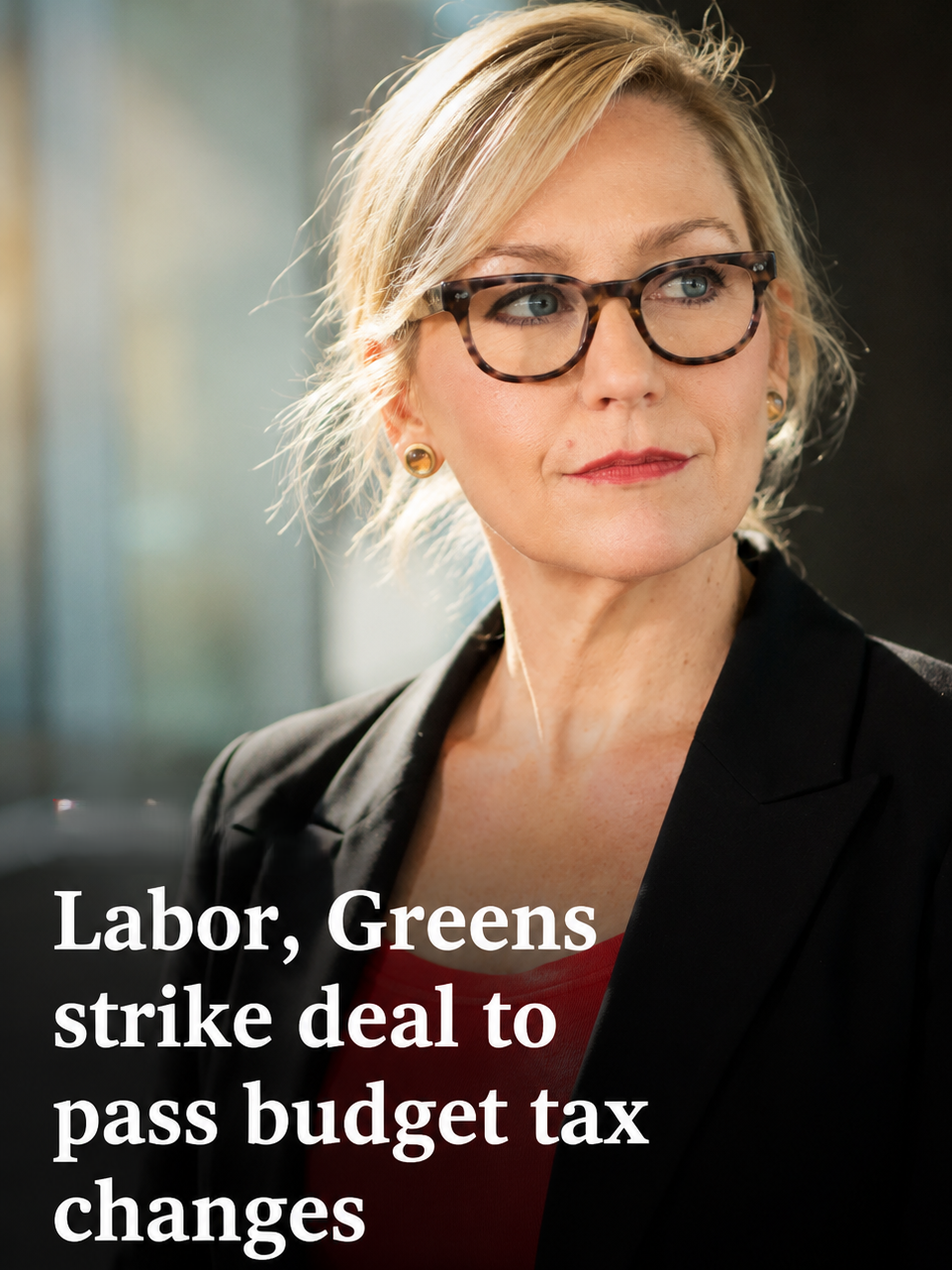
According to the government’s reform package, future changes to capital gains tax and negative gearing are designed to create a fairer balance between income earned through work and income earned through assets.
Advocates of reform also argue that younger Australians face a very different housing market from previous generations.
House prices have increased dramatically over recent decades.
Deposit requirements have grown.
Competition for housing has intensified.
Many policymakers believe tax settings should be reviewed in light of those changes.
Labor has repeatedly linked its reform agenda to concerns about housing affordability and long-term economic sustainability.
Critics see the issue differently.
They argue that investment incentives play an important role in expanding housing supply and encouraging private investment.
Reducing those incentives, they warn, could discourage investment, reduce market confidence and ultimately place upward pressure on rents or housing costs.
Industry groups and opposition figures have voiced concerns that major changes may create unintended consequences that extend beyond the government’s intended objectives.
The disagreement reflects a broader philosophical divide that appears in many developed economies.
One side argues that tax systems should do more to reduce structural inequalities and improve access to housing.
The other argues that stable investment conditions are essential for economic growth and long-term prosperity.
Both positions are grounded in legitimate concerns.
Both attract substantial public support.
And both involve trade-offs.
The Greens’ involvement has added another layer to the discussion.
Although the party has criticised aspects of Labor’s package, it ultimately negotiated amendments and concessions before agreeing to support the legislation. Those negotiations included measures involving self-managed super funds and additional scrutiny of separate NDIS reforms.
The deal highlights an increasingly common feature of Australian politics.
Governments often require support from crossbench parties to pass major reforms.
As a result, legislation frequently emerges from negotiation rather than simple majority rule.
That process can frustrate supporters and opponents alike.
Yet it also means controversial reforms are often modified before becoming law.
The current package has already undergone multiple revisions following criticism from business groups, investors and policy experts. Several proposed measures were softened, delayed or adjusted after public consultation and political pressure.
What makes this debate particularly significant is its potential long-term impact.
Tax policy influences behaviour.
It shapes incentives.
It affects where money is invested.
It affects how businesses expand.
It affects how families plan for retirement.
And it affects how governments raise revenue.
Small legislative changes can therefore have consequences that extend far beyond the annual budget cycle.
That is why tax reform often provokes stronger reactions than many other areas of public policy.
People are not simply debating percentages.
They are debating economic priorities.
They are debating the future distribution of opportunity.
And they are debating what kind of economy Australia wants to build.
The current reforms may pass Parliament.
But the underlying argument is unlikely to disappear.
Questions about housing affordability, wealth accumulation and tax fairness have become central political issues.
They are likely to remain central for many years.
Regardless of where Australians stand on the latest legislation, one reality is becoming increasingly clear.
The country’s tax system is entering a period of significant change.
And the decisions made today could shape investment behaviour, housing markets and economic opportunities for an entire generation.






