Why Australia Is Asking The Public To Report Sick And Dead Birds
For most Australians, spotting a dead bird in a park, on a beach or near a local waterway would not normally seem like a national issue.
But health and biosecurity authorities are now urging people to pay closer attention.
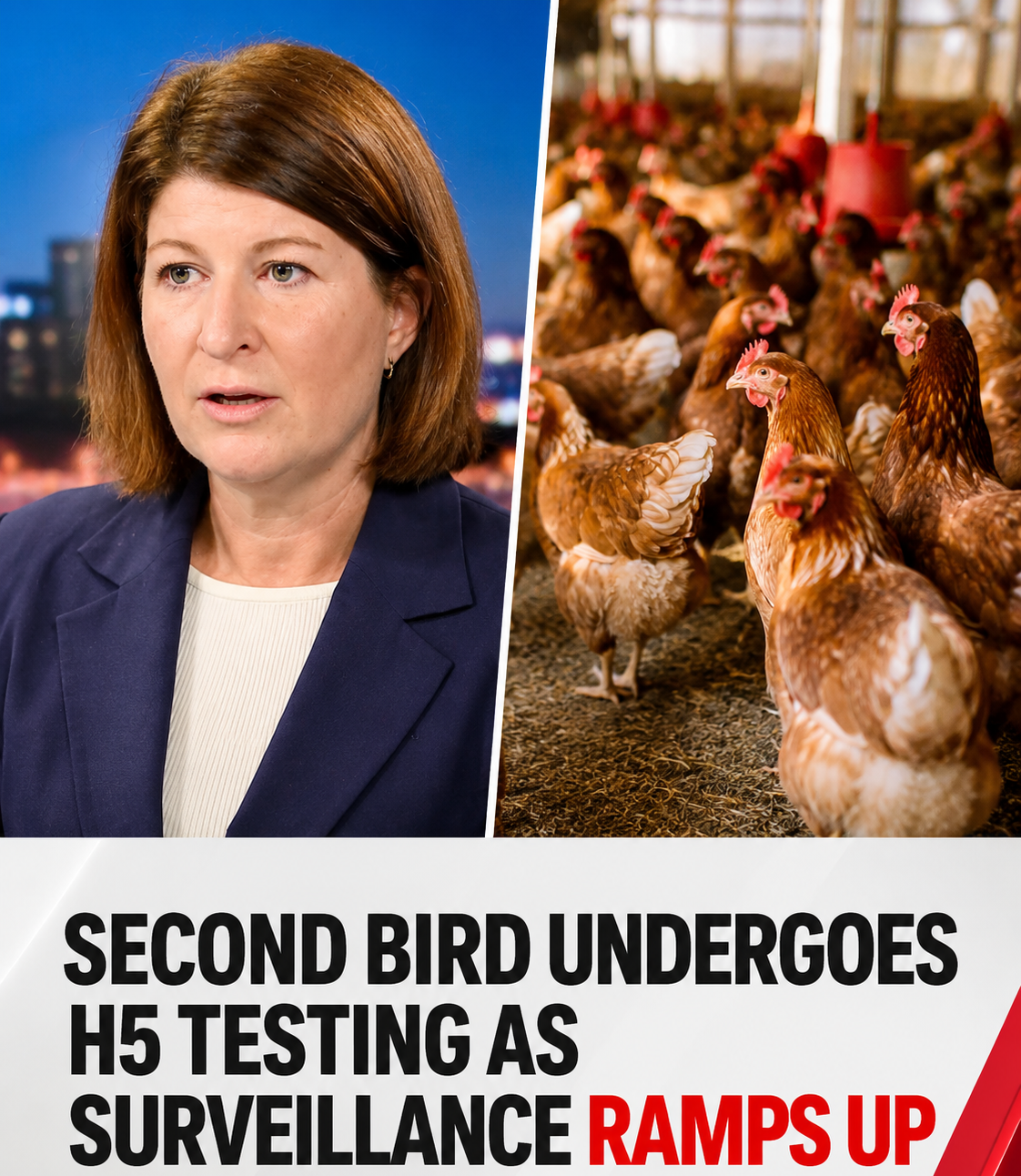
Across Western Australia, officials have intensified surveillance efforts after the detection of highly pathogenic H5N1 bird flu in wild seabirds. While authorities stress there is currently no evidence the virus has entered commercial poultry operations, they are asking the public to report sick or dead birds as part of a broader effort to monitor the situation.
The request highlights how disease surveillance often works in practice.
Before authorities can control a disease, they first need to know where it is.
That is particularly important when dealing with wildlife.
Unlike farm animals, wild birds move freely across enormous distances and can carry viruses into new regions before anyone is aware they are present.
Recent detections of H5N1 in wild seabirds near Esperance have prompted increased monitoring efforts. Authorities are currently investigating additional reports involving sick or dead birds while emphasizing that no infections have been identified within Australia’s poultry production systems.
For Australia, this development is significant.
For years, the country remained one of the last major regions largely untouched by the H5N1 strain that has spread through bird populations across much of the world.
Scientists had long warned that the arrival of the virus on the Australian mainland was a matter of when rather than if.
The concern extends beyond poultry farms.
Experts say some of Australia’s unique wildlife could face serious risks if the virus becomes established in local bird populations.
Waterbirds, seabirds and scavenging species may all be vulnerable, while conservationists are closely watching the potential impact on threatened native animals.
One reason authorities are taking the issue seriously is the experience of other countries.
In many parts of the world, H5N1 has caused large outbreaks among wild birds and has led to substantial losses within poultry industries.
The virus has also affected a growing number of mammal species, creating challenges for wildlife managers and agricultural authorities alike.
Despite these concerns, officials continue to stress that Australians should not panic.
Current evidence indicates the risk to the general public remains low.
Human infections are rare and are generally associated with close contact with infected animals. There is currently no evidence that the virus is spreading among people in Australia.
Authorities are instead encouraging practical precautions.
If members of the public encounter sick or dead birds, they are advised not to touch or handle them.
Reports can be made through official biosecurity channels so trained personnel can assess whether testing is required.
The poultry industry has also responded quickly.
Major producers have introduced enhanced biosecurity measures and restricted access to facilities as a precaution while surveillance continues. These actions are designed to reduce the likelihood of the virus entering commercial flocks.
For many Australians, the most visible impact may simply be increased public awareness.
People who previously ignored reports about bird diseases are now paying closer attention because of concerns about food supplies, wildlife conservation and public health.
Questions about whether eggs remain safe to eat and whether poultry products are affected have become increasingly common.
Authorities say there is currently no evidence of infection in commercial poultry and food products remain safe.
The broader challenge is that wildlife diseases can be difficult to predict.
Migration patterns, environmental conditions and animal behaviour all influence how viruses move through ecosystems.
That is why surveillance is considered one of the most important tools available to scientists and governments.
Every report from a member of the public can potentially provide valuable information.
A single sick bird may reveal where a disease is emerging.
Multiple reports from the same area can help authorities identify patterns and respond more quickly.
In that sense, community reporting becomes part of the national biosecurity system.
As testing continues and investigators gather more information, authorities remain focused on one objective: detecting any spread as early as possible.
For now, officials continue to emphasize that there is no evidence of infection within Australia’s poultry industry.
But they are also making it clear that vigilance matters.
The reason they are asking Australians to report sick or dead birds is simple.
Early warning systems work best when the community helps provide the warning.






