When Does A Protest Movement Become A Serious Governing Alternative?
Political history is full of parties that began on the fringes.
Some disappeared after a brief burst of attention.
Others evolved into major political forces.
A few eventually formed governments.
The transition from protest movement to governing alternative is one of the most important shifts that can occur in a democracy.
And it rarely happens overnight.
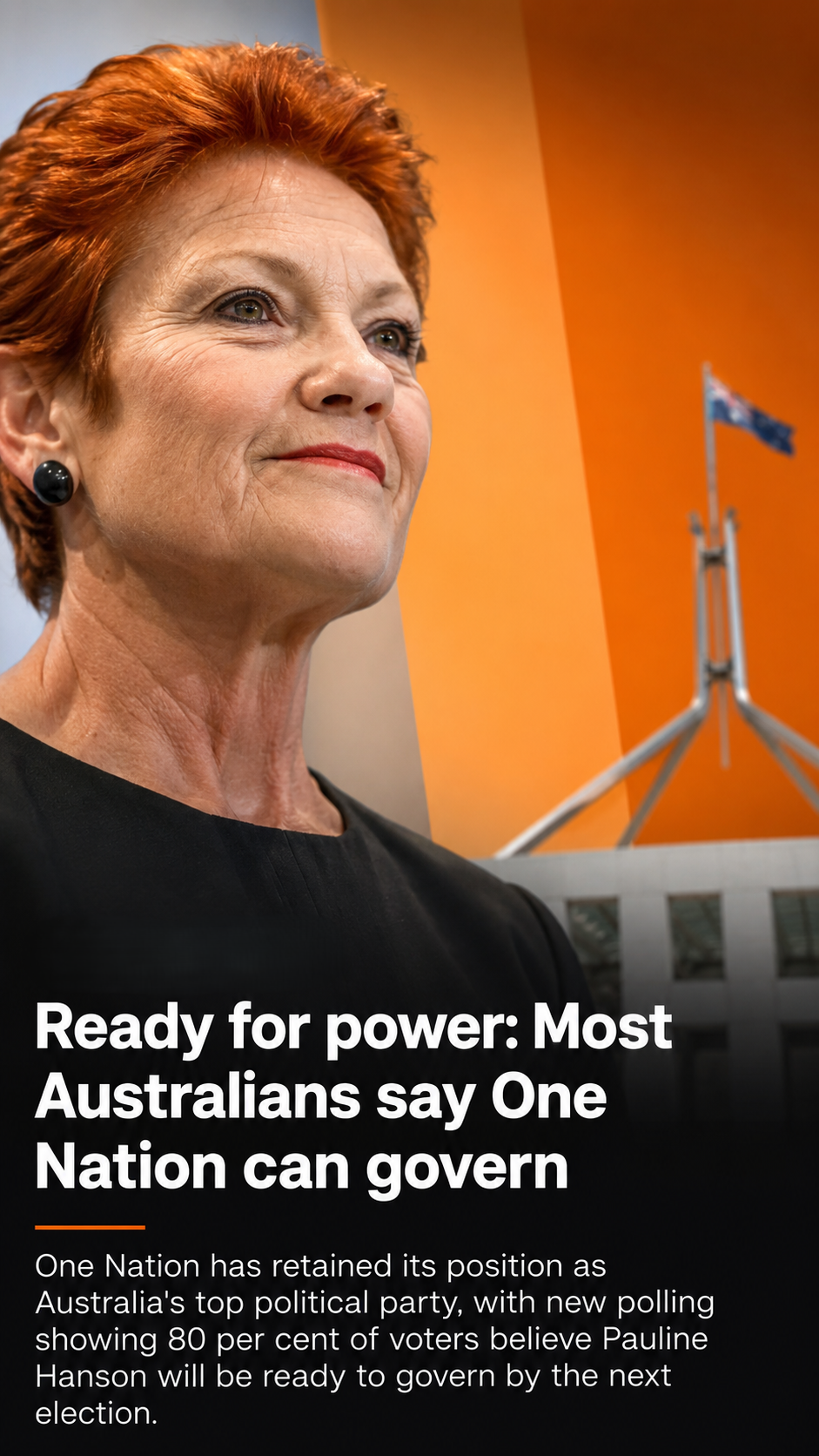
Recent debate surrounding One Nation reflects exactly this question. Supporters increasingly argue that voters are no longer backing the party simply to express frustration with the major parties. Instead, they claim growing numbers of Australians now see One Nation as a credible political force capable of participating in government and shaping national policy.
That distinction matters.
A protest vote and a governing vote are not necessarily the same thing.
When voters cast a protest vote, they may be expressing dissatisfaction with the status quo.
They may want to send a message.
They may want to pressure major parties to change direction.
But they do not always expect the party receiving their vote to govern.
A governing vote is different.
It reflects a belief that a party can move beyond criticism and actually manage the responsibilities of public office.
That transition is one of the most difficult challenges any outsider political movement faces.
Recent polling suggests One Nation’s support has risen dramatically during 2026. Several surveys have shown the party competing with or even leading the major parties on primary vote support, a situation that would have seemed highly unlikely only a few years ago.
Those numbers have generated intense discussion throughout Australia’s political system.
Major parties are paying attention.
Political strategists are paying attention.
Media organisations are paying attention.
The reason is simple.
Polls may fluctuate, but sustained changes in voter behaviour often signal deeper shifts in public sentiment.
Across many democracies, outsider parties tend to gain support when voters become dissatisfied with existing institutions.
Economic pressures.
Housing affordability.
Cost-of-living concerns.
Trust in government.
Migration debates.
These issues can create opportunities for political movements that position themselves as alternatives to established parties.
Australia is not unique in this regard.
Comparable trends have emerged across Europe, North America and parts of Asia over the past decade.
However, growing popularity is only one stage of political development.
The next challenge is convincing voters that a party can govern effectively.
That requires more than attracting attention.
It requires policy development.
Candidate recruitment.
Organisational discipline.
Financial management.
Legislative competence.
And the ability to handle the scrutiny that comes with political success.
History shows that many outsider movements find this stage difficult.
Being an effective critic is not necessarily the same as being an effective administrator.
Voters often apply different standards once a party appears capable of exercising real power.
As support grows, expectations grow as well.
This helps explain why analysts continue debating the significance of One Nation’s rise.
Some view the polling surge primarily as a reflection of dissatisfaction with Labor and the Coalition.
Others believe it signals a more fundamental realignment of Australian politics.
The distinction is important because protest movements can sometimes fade once public anger subsides.
Political realignments tend to last much longer.
They reshape voter loyalties.
They alter political competition.
They force major parties to rethink policy positions.
And occasionally they transform the entire political landscape.
Yet electoral success remains only one part of the equation.
Australia’s electoral system creates challenges for parties whose support is broad but unevenly distributed.
Winning a significant national vote share does not automatically translate into winning enough seats to form government. Analysts have repeatedly noted that electoral geography remains a major obstacle for smaller parties seeking national power.
For that reason, discussions about polling often focus on percentages.
Discussions about governing focus on seats.
The two are related.
But they are not identical.
This is where political perception becomes crucial.
Once voters begin viewing a party as a legitimate governing option, the dynamics of competition can change rapidly.
Media scrutiny intensifies.
Policy detail becomes more important.
Questions about leadership, experience and implementation move to the forefront.
The party is no longer judged solely by what it opposes.
It is judged by what it proposes.
Ultimately, the most significant political question is not whether a movement can attract frustrated voters.
Many movements achieve that.
The harder question is whether it can persuade enough voters that it is ready to carry the responsibilities of government.
That is the moment when a protest movement begins transforming into something much larger.
And it is precisely that transition that increasingly sits at the centre of Australia’s political conversation.






