When Celebrities Enter Politics Without Running For Office
Fame brings attention.
Politics attracts attention.
When the two intersect, public discussion often expands far beyond a single headline.
Whether they intend to or not, well-known public figures frequently become part of political conversations simply by expressing a personal opinion.
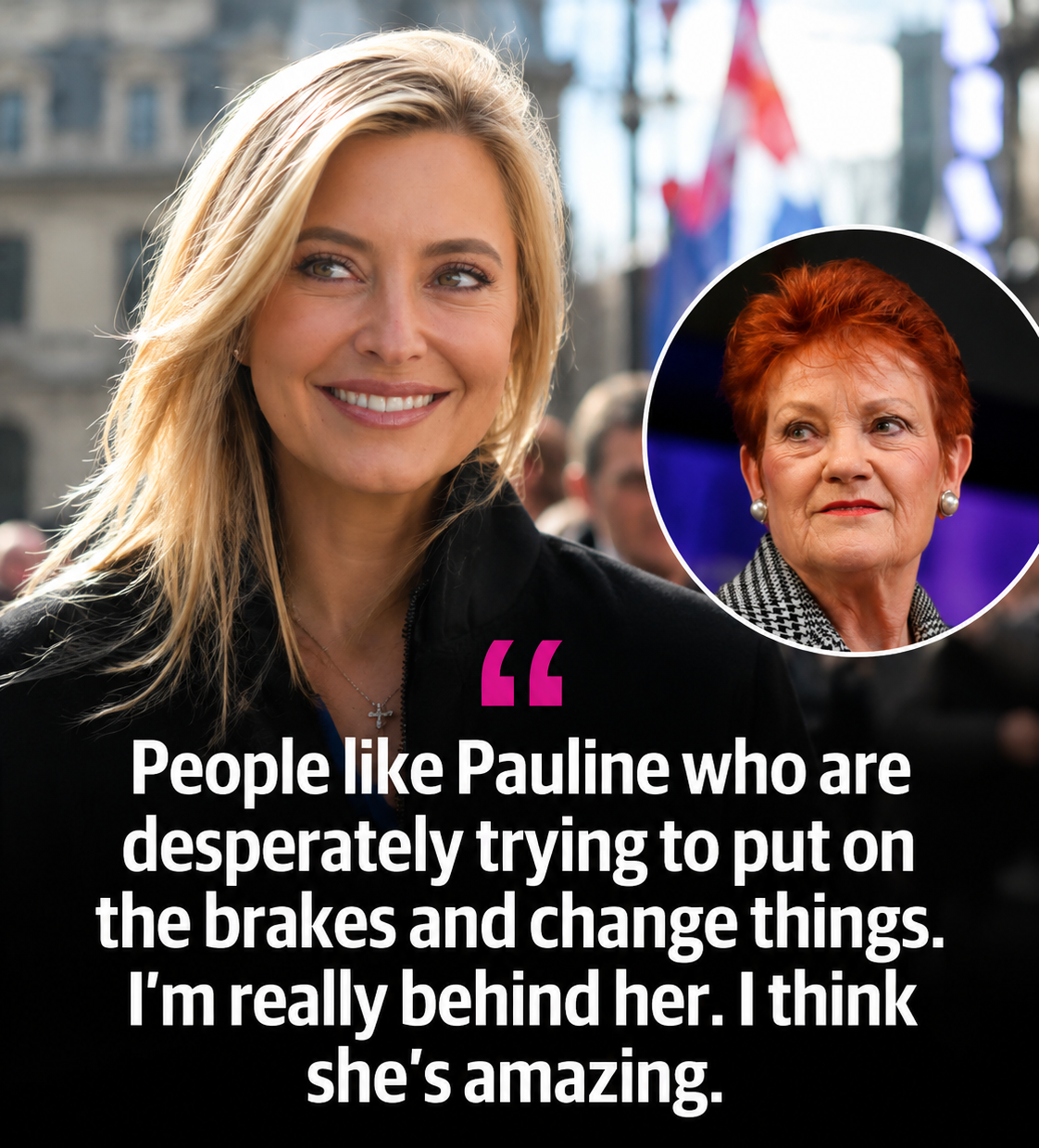
Recent reports that a former Neighbours actor expressed support for Pauline Hanson have once again highlighted the broader relationship between celebrity influence and political engagement. Rather than focusing solely on one endorsement, the story reflects a wider question about how public figures shape political discussion in democratic societies.
Public endorsements are not new.
Actors.
Musicians.
Athletes.
Business leaders.
Television personalities.
Many have publicly supported political candidates or parties over the years.
Some hope to encourage debate.
Others simply express personal convictions.
Supporters of celebrity political participation argue that public figures enjoy the same democratic freedoms as every other citizen.
They may express opinions, support policies and participate in public debate, provided they do so within the law.
From this perspective, fame does not remove civic rights.
Others point to the influence that well-known personalities can have on public discussion.
Large audiences.
Media attention.
Social media reach.
Public recognition.
These factors can amplify political messages far beyond those of ordinary citizens.
As a result, endorsements often receive extensive media coverage regardless of whether they ultimately change voting behaviour.
Research has produced mixed conclusions about the electoral impact of celebrity endorsements.
Some studies suggest they may increase awareness of particular issues.
Others indicate that voters continue to place greater weight on policy, leadership and economic conditions when making electoral decisions.
Australia’s political system ultimately leaves those decisions to individual voters.
Every citizen assesses information differently.
Some are influenced by trusted public figures.
Others pay little attention to celebrity opinions.
Many consider a wide range of information before reaching their own conclusions.
The growing influence of digital media has made these conversations even more visible.
Political discussions no longer occur only in Parliament or during election campaigns.
They unfold across podcasts.
Television programs.
Interviews.
Social media platforms.
Entertainment news.
This wider participation has expanded the range of voices contributing to public debate.
Reasonable Australians may disagree about whether celebrity endorsements are helpful or distracting.
Some welcome greater civic participation from public figures.
Others prefer political discussion to remain focused on policy rather than personalities.
Both perspectives recognise the importance of informed public debate.
Ultimately, democracy depends not on who expresses an opinion but on how citizens evaluate competing ideas.
Celebrity endorsements may generate headlines.
In the end, it is voters who determine political outcomes through their own informed choices.






