What Really Drives Political Change: Economics, Demographics Or Something Else?
When voters become dissatisfied, political leaders often search for an explanation.
Is it the economy?
Is it housing affordability?
Is it immigration?
Is it cultural change?
Or is it a combination of all these factors?
These questions sit at the centre of one of the most important debates in modern politics.
Across Australia and many other Western democracies, traditional voting patterns are changing. Established political parties are facing new challenges, minor parties are gaining support and public trust in institutions is frequently being questioned.
What remains less clear is why these changes are happening.
Recent commentary has reignited debate about whether economic pressures or demographic change provide the better explanation for shifting political attitudes.
Some analysts argue that cost-of-living pressures, housing affordability challenges, stagnant wage growth and financial stress are the primary drivers of voter dissatisfaction.
Others contend that demographic trends such as population growth, migration patterns, community change and questions of social cohesion play a more significant role.
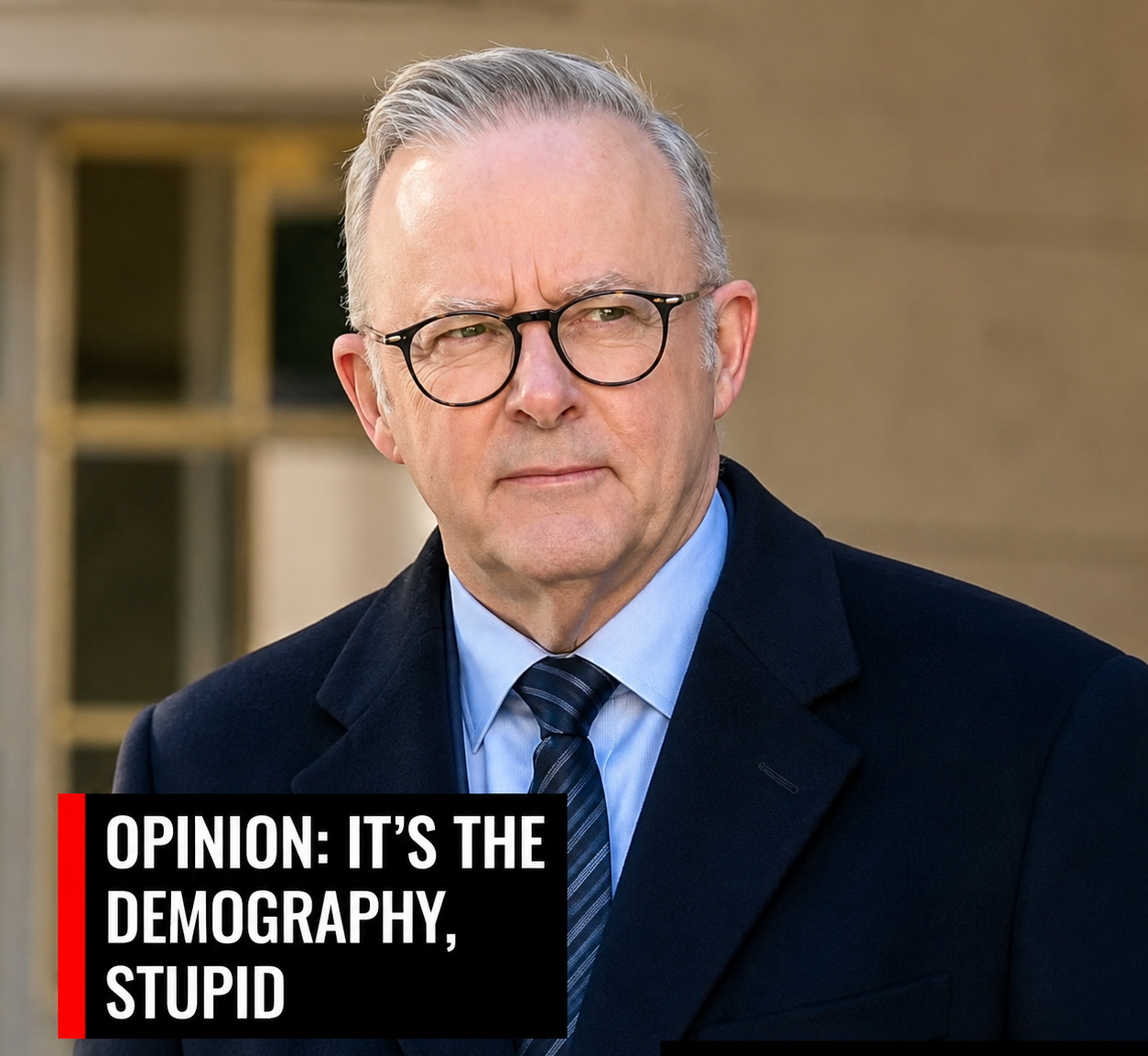
The reality may be more complicated than either explanation alone.
Political behaviour is rarely shaped by a single factor.
People do not experience economic issues and social change separately.
In everyday life, these factors often overlap.
A family struggling to buy a home may connect housing affordability to population growth.
A worker concerned about wages may also be concerned about infrastructure pressures.
A community experiencing rapid growth may simultaneously face economic and social challenges.
As a result, voters frequently view these issues as interconnected rather than isolated.
Housing provides a useful example.
Over recent years, housing affordability has become one of Australia’s most discussed political issues.
Many younger Australians report feeling locked out of home ownership.
Rents have increased in numerous regions.
Supply shortages remain a challenge in several major cities.
Economists often focus on factors such as interest rates, housing supply, construction costs and taxation settings when analysing these trends.
Others point to population growth and migration as additional factors influencing demand.
Both perspectives contribute to the broader discussion.
The same pattern appears in debates about infrastructure.
Road congestion.
Public transport capacity.
Hospital demand.
School enrolments.
Community services.
These issues are frequently discussed through both economic and demographic lenses.
Some observers focus on government investment.
Others focus on population growth.
Many voters see both factors operating at the same time.
Political scientists have long argued that voting behaviour is influenced by multiple layers of experience.
Economic conditions matter.
Cultural identity matters.
Trust in institutions matters.
Confidence in leadership matters.
Community experiences matter.
No single explanation consistently accounts for every political shift.
This complexity helps explain why debates about voter behaviour often remain unresolved.
Different groups may experience the same national trends in very different ways.
A person living in a rapidly growing city may prioritise housing and infrastructure concerns.
Someone in a regional community may focus on employment opportunities or access to services.
Others may be primarily concerned with cultural or social issues.
Each experience contributes to how individuals evaluate governments and political parties.
The rise of alternative political movements in many democracies reflects this diversity of concerns.
Support for minor parties is often fuelled by a mixture of economic frustration, institutional distrust, community concerns and perceptions about the direction of society.
Attempting to reduce these trends to a single cause can overlook important parts of the picture.
That does not mean explanations are unimportant.
Understanding the drivers of political change helps policymakers respond more effectively to public concerns.
Governments that misread voter priorities may struggle to maintain public support.
Political parties that fail to understand changing communities may find it difficult to adapt.
This is why debates about economics and demographics continue attracting attention.
Both involve questions that directly affect people’s lives.
Can families afford housing?
Can infrastructure keep pace with growth?
Do communities feel connected and represented?
Are economic opportunities improving?
Do people trust institutions to manage change effectively?
These questions influence political attitudes regardless of party affiliation.
As Australia continues evolving, discussions about social cohesion, economic opportunity and demographic change are likely to remain central to public debate.
The challenge for political leaders will not simply be choosing one explanation over another.
It will be understanding how these forces interact.
Because political change rarely emerges from a single issue.
More often, it emerges from the way multiple pressures combine to shape how people see their future.






