What Happens When Governments Stop Listening To Warning Signs From Voters?
Political change rarely arrives without warning.
Long before elections are lost, approval ratings collapse or leaders resign, there are usually signals that something is shifting beneath the surface.
Polls begin moving.
Public frustration becomes more visible.
Trust starts to erode.
Issues that once seemed manageable suddenly dominate political debate.
By the time the final result arrives, many voters feel they saw it coming long before political insiders did.
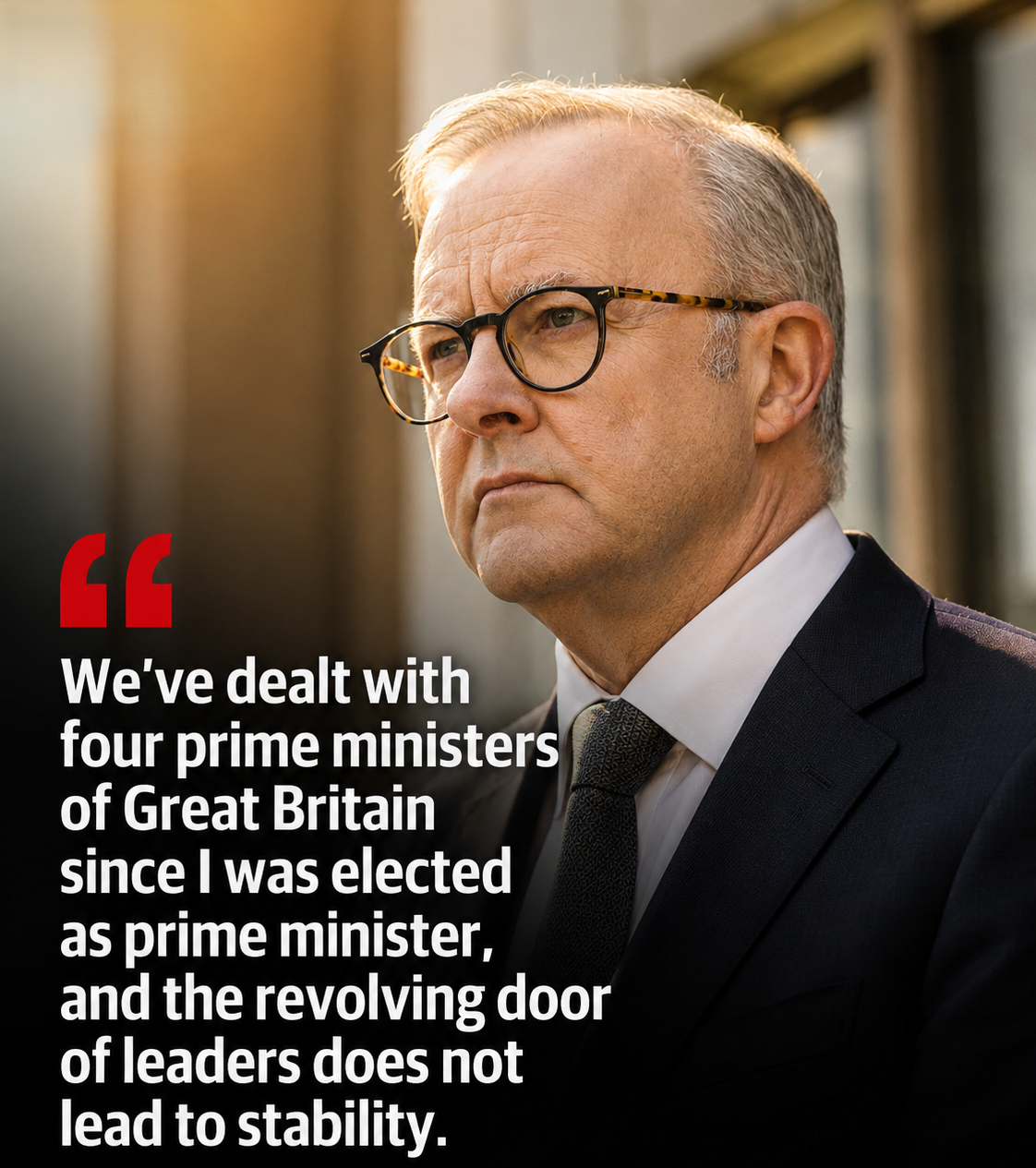
The resignation of British Prime Minister Keir Starmer has sparked discussion far beyond the United Kingdom. For many observers, the event is not simply about one political career ending. It has become a case study in how quickly political fortunes can change when governments struggle to maintain public confidence.
Across democratic societies, leaders often face the same challenge.
How do they know when voter dissatisfaction has become something more serious?
How do they distinguish between temporary frustration and a genuine shift in public opinion?
And perhaps most importantly, what happens if they misread the mood of the electorate?
History suggests that governments often receive plenty of warning.
The problem is not always a lack of information.
Sometimes it is a failure to recognise what the information means.
Voters communicate dissatisfaction in many ways.
Opinion polls.
By-election results.
Membership trends.
Community sentiment.
Social media discussions.
Support for outsider political movements.
Each signal may appear minor in isolation.
Together, they can reveal a significant shift in public attitudes.
One of the most common mistakes governments make is assuming that economic statistics tell the whole story.
A government may point to employment growth, investment figures or budget outcomes.
Yet voters often judge their circumstances differently.
They focus on what they experience directly.
The cost of groceries.
The price of fuel.
The availability of housing.
The size of household bills.
The feeling of financial security.
If those experiences are negative, positive economic indicators may do little to improve public confidence.
This gap between official narratives and lived experience has become a defining feature of politics in many countries.
Governments often communicate through statistics.
Voters often communicate through frustration.
When the two conversations no longer align, political risks begin to grow.
Housing affordability provides a clear example.
For years, policymakers across multiple countries have acknowledged challenges in housing markets.
Yet many households feel conditions continue to deteriorate.
As a result, housing has evolved from a policy issue into an emotional issue.
People increasingly view it as a measure of opportunity, fairness and economic mobility.
Migration, energy prices and public services have followed similar patterns.
These topics are no longer discussed purely in technical terms.
They are discussed through the lens of everyday life.
That shift changes how voters evaluate governments.
Political loyalty becomes less stable.
Traditional party allegiances weaken.
Alternative political movements become more attractive.
In many Western democracies, support for outsider parties has grown during periods when large sections of the electorate felt ignored or misunderstood.
This does not necessarily mean voters agree with every proposal offered by those alternatives.
Often it reflects a desire for change rather than a detailed endorsement of a particular platform.
The message is simple.
People want to be heard.
And they want evidence that governments understand their concerns.
Political leaders face an additional challenge in the modern era.
Public opinion now moves faster than ever.
Social media accelerates trends.
News cycles operate continuously.
Public dissatisfaction can spread rapidly across different communities and demographic groups.
This means warning signs that once developed over years can now emerge within months.
Successful governments often share one characteristic.
They adapt before dissatisfaction becomes entrenched.
They recognise changing priorities.
They respond to public concerns.
They remain connected to voters outside political circles.
Most importantly, they avoid assuming that past electoral victories guarantee future support.
Political history offers countless examples of leaders who appeared secure until suddenly they were not.
The lesson is not that governments should follow every opinion poll.
Rather, it is that public sentiment deserves constant attention.
Ignoring warning signs rarely makes them disappear.
More often, those signs continue growing until they become impossible to overlook.
That is why major political events often resonate far beyond the individuals involved.
They force governments everywhere to ask the same question.
Are we listening carefully enough to what voters are trying to tell us?
The answer to that question may ultimately determine which leaders remain in office and which become cautionary tales for the next generation of politicians.






