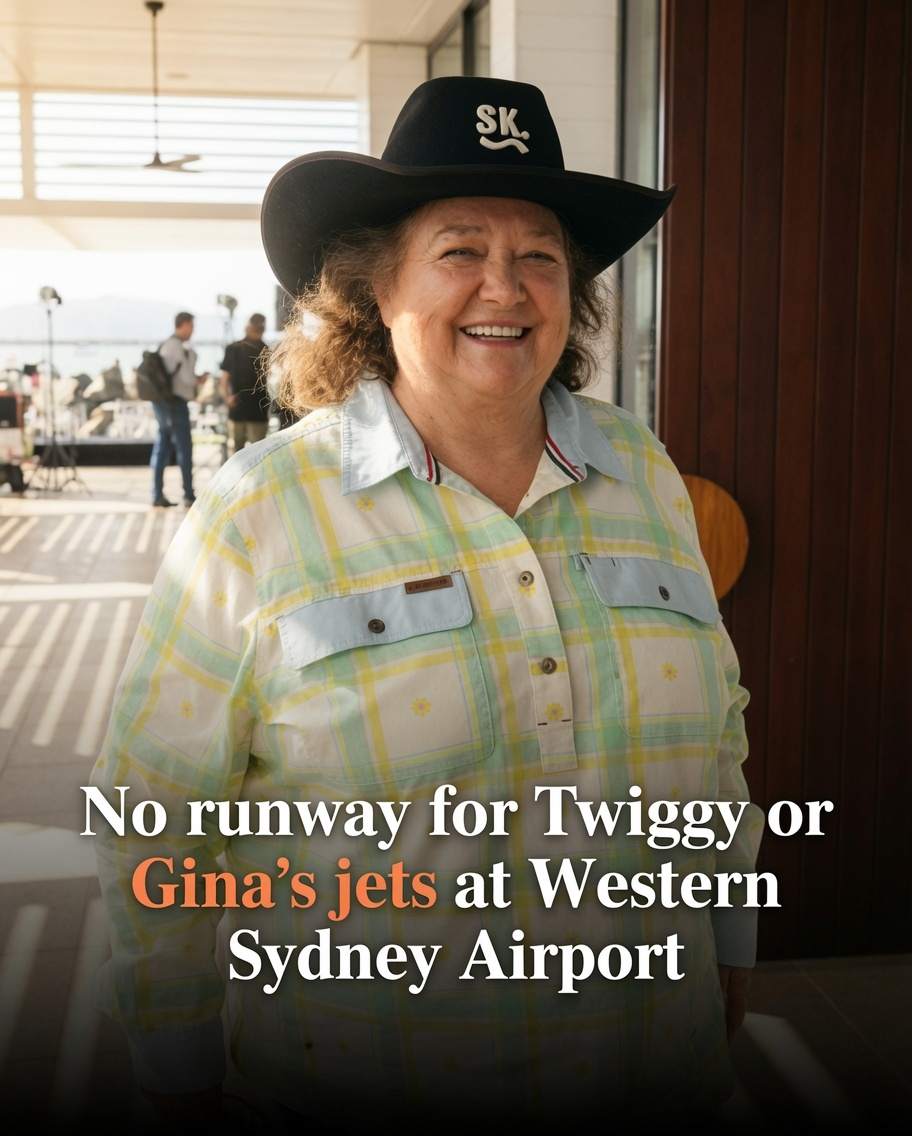
Australia’s newest international airport is set to open with a different operating model from many major airports, after published reports revealed that private business jets, helicopters and most general aviation aircraft will not be permitted to operate from Western Sydney International Airport.
According to published reports, the restrictions mean privately owned corporate aircraft will be unable to use the airport despite its 24-hour, curfew-free operating status. Airport planning has instead prioritised scheduled commercial passenger services and air freight operations designed to serve the rapidly expanding Western Sydney region. These arrangements reflect the airport’s current operational planning as reported publicly.
Western Sydney International Airport represents one of Australia’s largest recent infrastructure investments and is expected to become a major transport hub for one of the country’s fastest-growing population centres. The airport has been developed to improve aviation capacity, strengthen freight networks and support economic growth across Greater Western Sydney.
Unlike Sydney Kingsford Smith Airport, which operates under a nightly curfew, the new airport has been designed to accommodate aircraft movements around the clock. Supporters argue that continuous operations will improve freight efficiency, increase scheduling flexibility and strengthen Australia’s aviation network by expanding available capacity for airlines.
Airport planners have emphasised that available runway capacity and terminal infrastructure are being directed primarily toward commercial airline services. Concentrating operations on scheduled passenger flights and cargo transport is intended to maximise public benefit by serving millions of residents, supporting tourism and facilitating business travel throughout the region.
General aviation includes activities such as private flying, business jets, helicopters, pilot training and recreational aviation. While these operations form an important part of Australia’s broader aviation sector, governments and airport operators often determine which activities are appropriate for individual airports based on infrastructure capacity, operational priorities and long-term planning objectives.
Aviation specialists note that airports frequently specialise in different types of aviation activity. Some focus on commercial passenger services, while others accommodate freight operations, defence activities, flight training or private aviation. Operational restrictions may also change over time as airports expand infrastructure, demand evolves and regulatory requirements are reviewed.
Western Sydney International Airport is expected to play an increasingly important role in Australia’s aviation network as passenger numbers and freight volumes continue growing over coming decades. The airport has been designed with significant room for future expansion, allowing additional facilities and services to be considered as operational requirements change.
As the airport prepares to begin operations, attention is likely to focus on how effectively the new facility supports commercial aviation, regional economic development and future transport demand. The decision to prioritise commercial services over private aviation highlights the strategic role planners envision for Australia’s newest international gateway.






