Victoria’s multibillion-dollar Big Build infrastructure program has again become the focus of political debate after renewed discussion about rising project costs and whether inflation or other factors have been the primary driver of major budget increases.
The discussion follows reports that cost blowouts have added as much as 30 per cent to the price of some major infrastructure projects, prompting renewed calls for greater scrutiny of procurement practices, construction costs and project oversight.
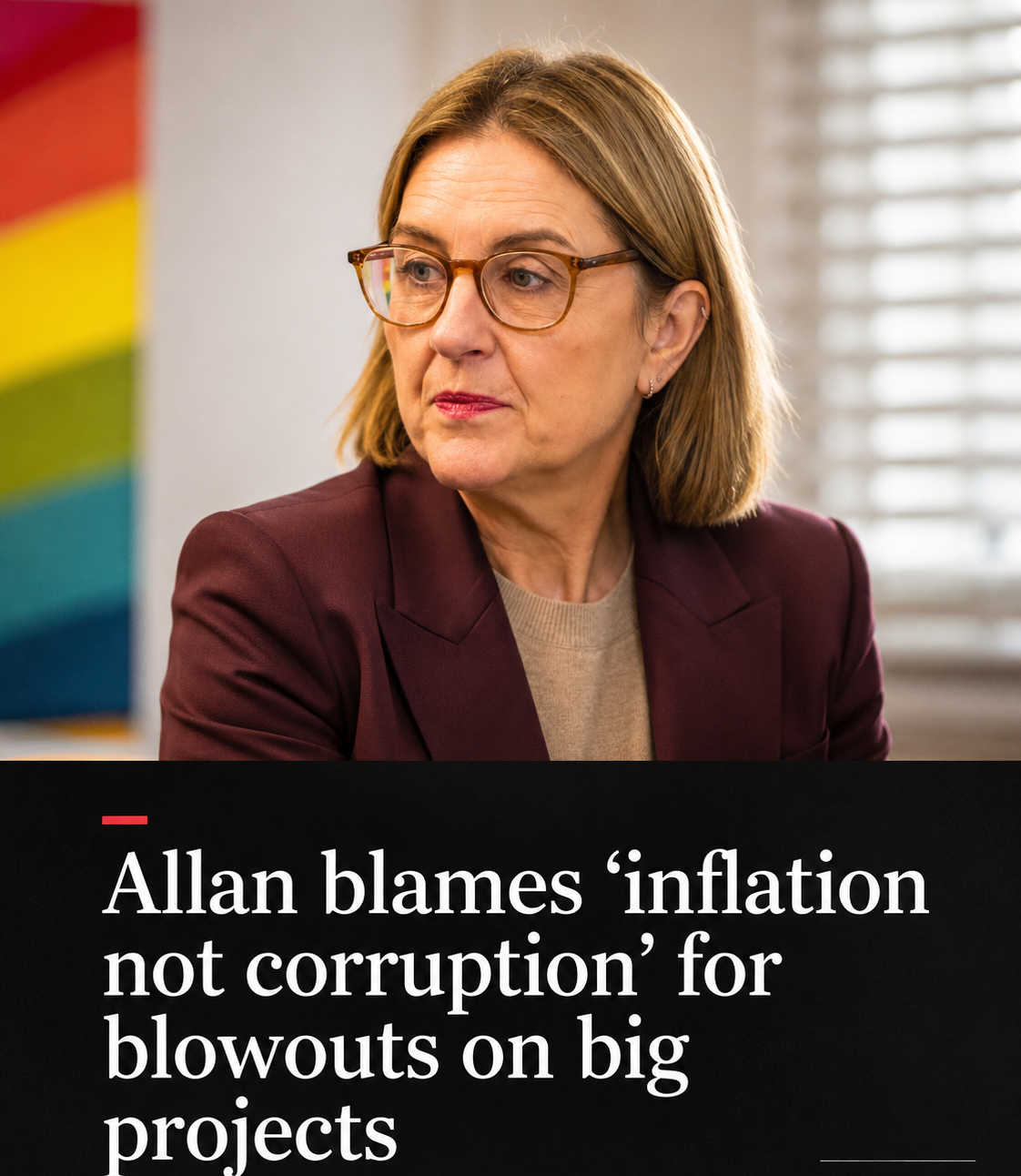
Premier Jacinta Allan has argued that inflation remains the principal reason for higher project costs across Victoria’s infrastructure pipeline. She said rising prices for construction materials, labour shortages, higher wages, supply chain disruptions and broader inflationary pressures have affected major projects throughout Australia and internationally, rather than being unique to Victoria.
Allan has also rejected suggestions that the Victorian Government itself was involved in corruption, stating that there is no evidence of government corruption behind the increased project costs. While acknowledging that allegations have been made regarding conduct within parts of the construction industry, she said any criminal behaviour should continue to be investigated by the appropriate law enforcement and regulatory agencies.
The latest debate follows media investigations into alleged misconduct involving individuals connected with sections of the construction sector, including allegations relating to the CFMEU and organised crime figures. Those reports have prompted renewed political pressure for an independent Royal Commission to examine whether unlawful conduct contributed to cost increases on taxpayer-funded infrastructure projects. The allegations remain subject to investigation and have not been determined by a court.
Opposition parties argue that an inquiry with Royal Commission powers would allow investigators to examine procurement processes, contractor relationships and the management of major projects in greater detail. They contend that an independent investigation could help determine whether criminal activity or unlawful workplace practices influenced project budgets beyond normal inflationary pressures.
Some integrity experts have questioned whether inflation alone can explain the scale of the reported cost increases. They argue that while inflation has unquestionably increased construction costs across Australia, allegations involving unlawful conduct deserve separate examination so the public can better understand all factors contributing to project overruns.
The Victorian Government maintains that existing agencies already possess substantial investigative powers and points to recent enforcement action, including criminal charges, licence cancellations and expanded police activity targeting alleged organised crime within the construction industry. Ministers argue these measures demonstrate that authorities are actively responding where evidence supports enforcement action.
The Big Build remains one of Australia’s largest infrastructure investment programs, covering major rail, road, tunnel and transport projects intended to expand capacity across Victoria. As construction continues, policymakers, industry groups and taxpayers are expected to remain focused on both the delivery of these projects and the systems used to manage costs and safeguard public funds.
With investigations continuing and political debate intensifying, questions surrounding project costs, governance and accountability are likely to remain prominent. Future findings from law enforcement agencies, oversight bodies and ongoing public reporting may provide additional information about the factors contributing to Victoria’s infrastructure cost increases.






