Toowoomba residents may receive more encouraging news than originally expected when the Toowoomba Regional Council hands down its 2026–27 budget, following recent Queensland Government decisions that are expected to reduce pressure on several council charges.
While ratepayers are still likely to see increases in some areas as councils continue dealing with higher operating costs, changes announced by the state government appear to have eased several of the largest financial pressures that had been expected to affect this year’s budget.
One of the most significant developments is the Queensland Government’s decision to reclassify Toowoomba from a metropolitan waste levy zone to a regional zone. That change removes an estimated A$3 million in additional waste levy costs that the council had expected to absorb, allowing the annual household waste management charge to remain unchanged instead of increasing. Council leaders have described the decision as an important source of cost-of-living relief for local residents.
The state government has also committed additional funding to expand public transport services in the region. That investment is expected to allow the council to keep the existing public transport levy unchanged in the coming financial year rather than passing additional operating costs directly on to ratepayers. Together with the waste levy decision, these measures provide greater financial flexibility as councillors finalise the annual budget.
Despite those savings, the council continues facing substantial financial challenges. Construction costs, insurance premiums, fuel, electricity and the price of essential materials have all increased in recent years, while demand for new infrastructure continues to grow alongside the region’s expanding population. Council planning also identifies hundreds of millions of dollars in future infrastructure requirements, much of which will ultimately require funding from rates, grants and developer contributions.
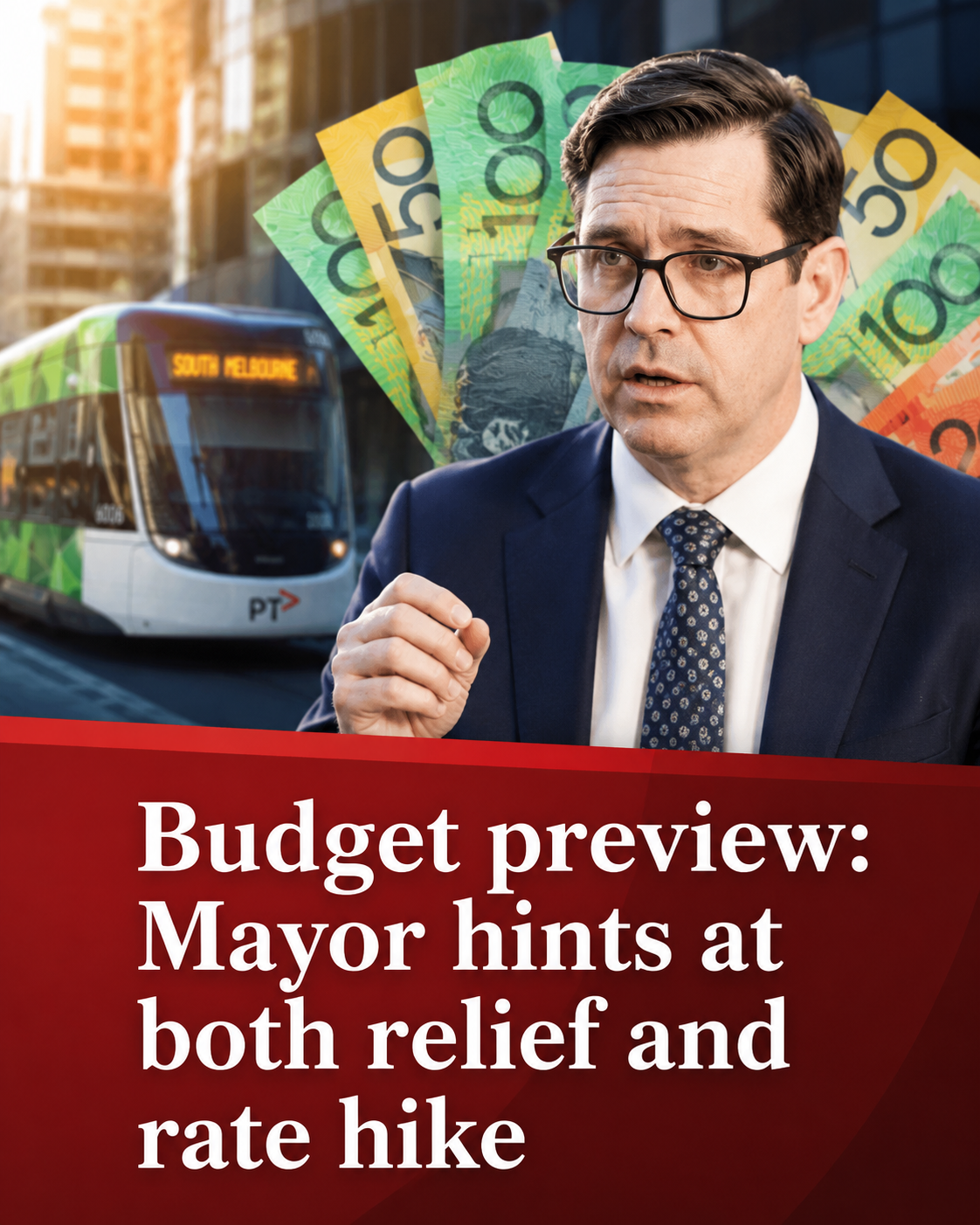
Mayor Geoff McDonald has indicated that this year’s budget is intended to balance immediate cost-of-living pressures with the need to maintain long-term financial sustainability. According to the Mayor, the council has reviewed internal spending and identified savings where possible before determining proposed rate adjustments. He has also suggested that Toowoomba’s general rate increases are expected to remain broadly in line with those adopted by many other Queensland councils this budget season.
Infrastructure investment is expected to remain a major focus of the budget. Planned expenditure includes continued work on transport infrastructure, water and wastewater projects, community facilities, parks, drainage and road maintenance. Council leaders argue that maintaining investment in essential assets today helps reduce larger repair and replacement costs in future years while supporting population growth across the region.
The Queensland Government’s broader 2026–27 Budget also contains several initiatives that may indirectly benefit Toowoomba households and businesses, including permanent 50-cent public transport fares, no new state taxes, lower regional electricity prices through the Energy Roadmap Price Drop and continued funding for housing, health and regional infrastructure projects. Those measures form part of the wider economic environment in which local councils are preparing their own budgets.
Local government finance specialists note that councils throughout Australia continue balancing competing priorities. Communities expect reliable services, road upgrades, parks, waste collection and water infrastructure, while residents also seek protection from sharp increases in household costs. As a result, annual council budgets increasingly involve difficult trade-offs between maintaining services, investing in future growth and limiting rate increases.
Final details of Toowoomba Regional Council’s 2026–27 budget will be confirmed following the formal council meeting. The completed budget will determine the exact level of general rates, utility charges and council investment for the year ahead, but recent state government decisions have increased expectations that many households will receive a more favourable outcome than initially anticipated.






