Business leader and philanthropist Steven Lowy has told Australia’s Royal Commission on Antisemitism and Social Cohesion that antisemitism has evolved beyond its traditional association with the far right, warning that online platforms and increasingly polarised public debate are accelerating the spread of hate.
Appearing before Royal Commissioner Virginia Bell, Lowy described antisemitism as an issue that now draws support from multiple ideological sources rather than a single political movement. He argued that digital platforms have made the rapid spread of hateful content easier while reducing barriers that previously limited its reach.
During his testimony, Lowy said his family had experienced more than 15,000 serious antisemitic online attacks over the previous year. He described threats, abusive messages and targeted harassment that, in his view, reflected a broader deterioration in the online environment. He argued that social media algorithms can amplify inflammatory material and contribute to the wider distribution of extremist content.
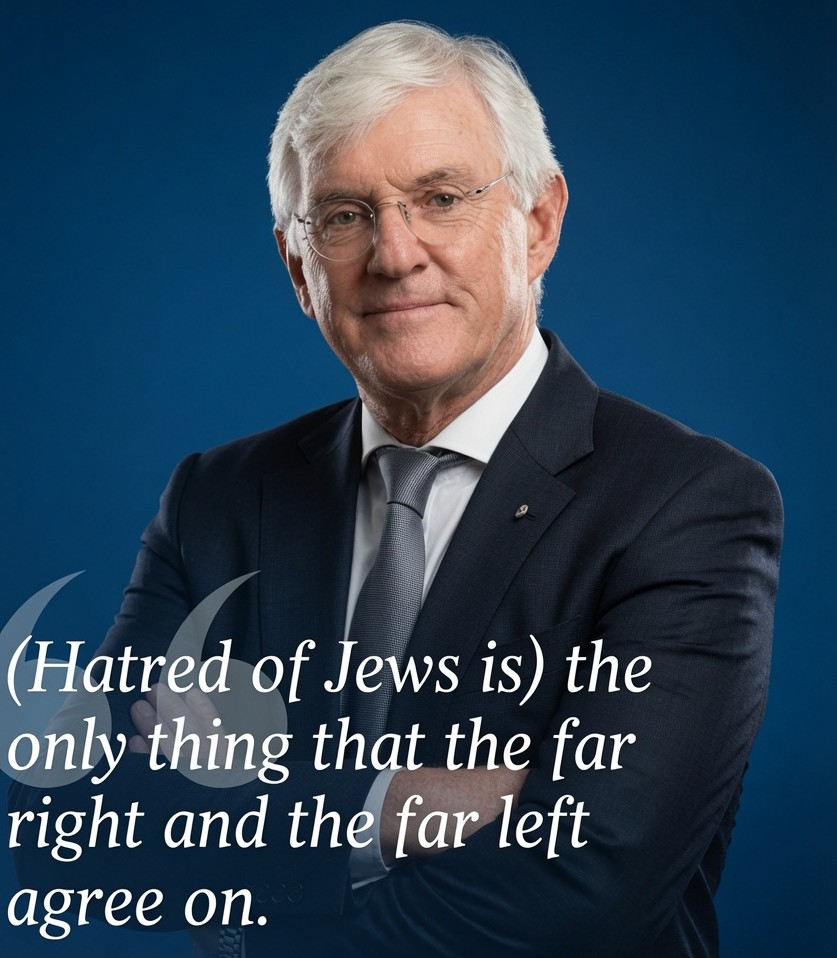
Lowy also warned about what he described as the “weaponisation of anti-Zionism”. He argued that while criticism of the policies or actions of the Israeli government is a legitimate part of democratic debate, some rhetoric presented as anti-Zionism crosses into antisemitism by targeting Jewish people collectively or promoting hatred against them. His comments reflect his own evidence to the Royal Commission and do not represent a legal finding or an official definition adopted by the Commission.
Among the recommendations presented to the inquiry were the creation of dedicated police units with specialist expertise in antisemitic crime, expanded training for law enforcement officers, stronger online content removal powers for regulators and increased education aimed at preventing antisemitism. Lowy also proposed a form of national service that he argued could strengthen social cohesion across Australia.
The Royal Commission also heard evidence from researchers who argued that online recommendation systems can contribute to the spread of extremist narratives by directing users toward increasingly radical material. Experts urged the inquiry to focus not only on individual offenders but also on coordinated online networks and algorithmic amplification that can accelerate hate speech.
Other witnesses described experiences of online harassment, threats and abuse following public testimony before the Commission. Several participants called for stronger cooperation from social media companies and additional regulatory tools to address coordinated campaigns of online hate while maintaining lawful public debate.
The Royal Commission on Antisemitism and Social Cohesion continues to hear evidence from community leaders, academics, technology experts, victims and public institutions. Commissioner Virginia Bell will consider submissions from a wide range of witnesses before making recommendations to the Australian Government later this year. Those recommendations are advisory and would require government consideration before any legislative or policy changes could occur.






