Business leader and philanthropist Steven Lowy has urged Australia’s Royal Commission on Antisemitism and Social Cohesion to consider a series of new measures aimed at strengthening community safety and social cohesion, including dedicated police units and a national service program for young Australians.
Lowy delivered the recommendations during evidence to the Royal Commission, where he described the impact that antisemitic threats have had on his family and the wider Jewish community. His proposals form part of his submission to the inquiry and will be considered alongside evidence from many other witnesses before the Commission prepares its final recommendations.
During his testimony, Lowy said his family had been subjected to more than 15,000 items of hateful online content over the past year, including threats and abusive messages. He argued that antisemitism has become increasingly visible both online and offline and called for stronger long-term responses from governments, law enforcement agencies and technology companies.
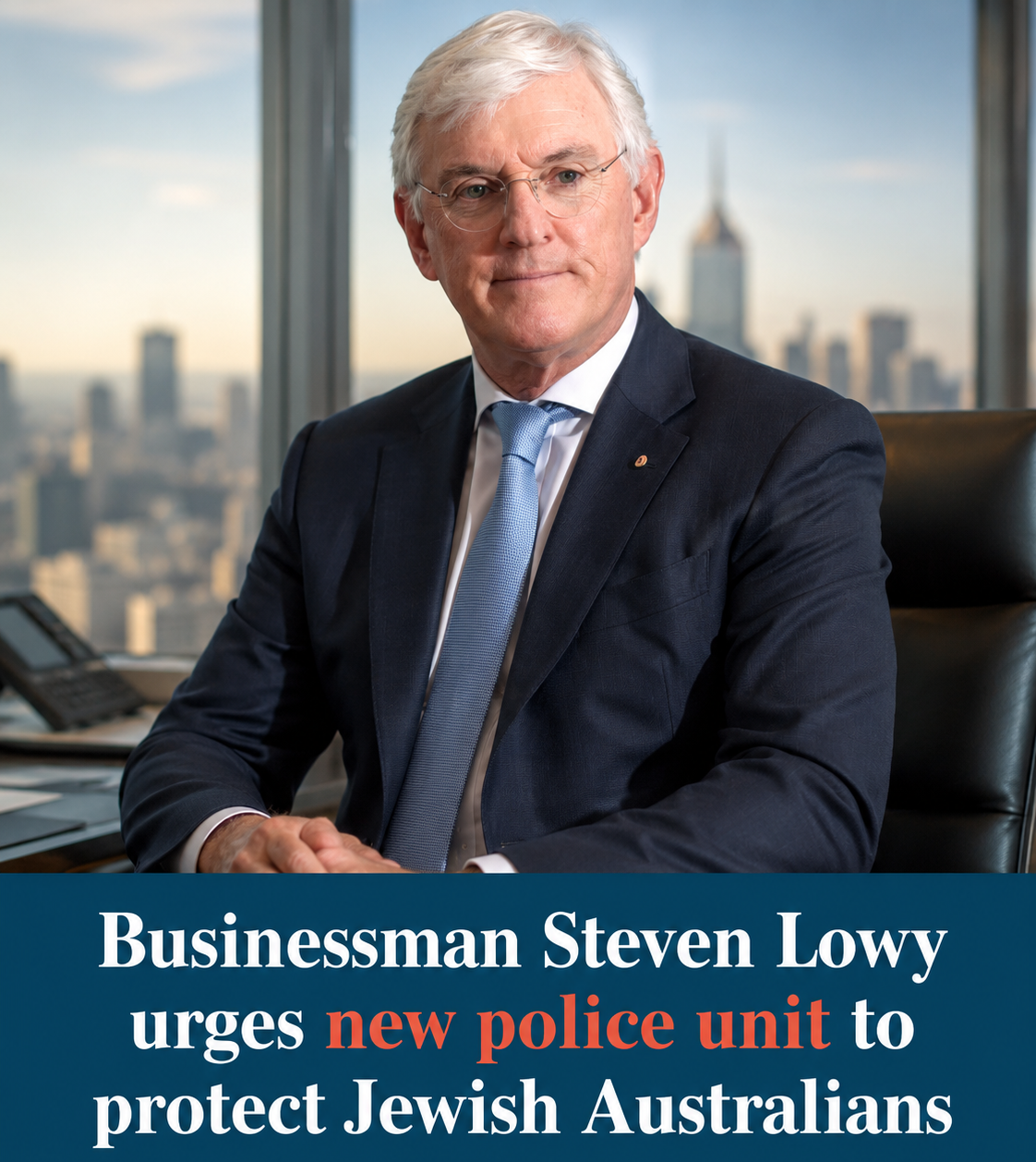
Among his recommendations was the creation of specialist police units focused on protecting Jewish Australians and investigating antisemitic offences. He also called for additional training for police officers dealing with hate crimes and greater coordination between law enforcement agencies responsible for intelligence and community protection.
Lowy further proposed a form of national civil or community service for young Australians, arguing that shared service could strengthen civic responsibility, improve understanding between different communities and contribute to greater national cohesion. He also urged stronger obligations for social media companies to remove unlawful or harmful content more quickly and consistently.
The Royal Commission is examining a wide range of issues related to antisemitism, social cohesion and responses following the Bondi terrorist attack. Witnesses appearing before the inquiry have included community leaders, survivors, academics, law enforcement representatives and members of the public, each presenting different perspectives on how Australia should respond to rising hate-related incidents.
Some of Lowy’s proposals have generated broader discussion among policing and legal experts. While there is support from some community representatives for increased security measures, police officials have previously noted that proposals involving specialised security arrangements require careful consideration to ensure they remain consistent with broader policing principles and community equality.
Royal Commissions in Australia operate independently and are responsible for evaluating evidence before making recommendations. The Commission will determine which proposals it considers appropriate after reviewing submissions from all parties. Its final report may recommend legislative, policing or policy reforms, but any implementation would ultimately require decisions by governments and relevant authorities.
As hearings continue, the inquiry is expected to examine additional evidence relating to online extremism, community safety, law enforcement practices and measures intended to strengthen social cohesion. The Commission’s final recommendations are expected to inform future policy discussions on combating hate crimes while balancing public safety, civil liberties and community confidence.






