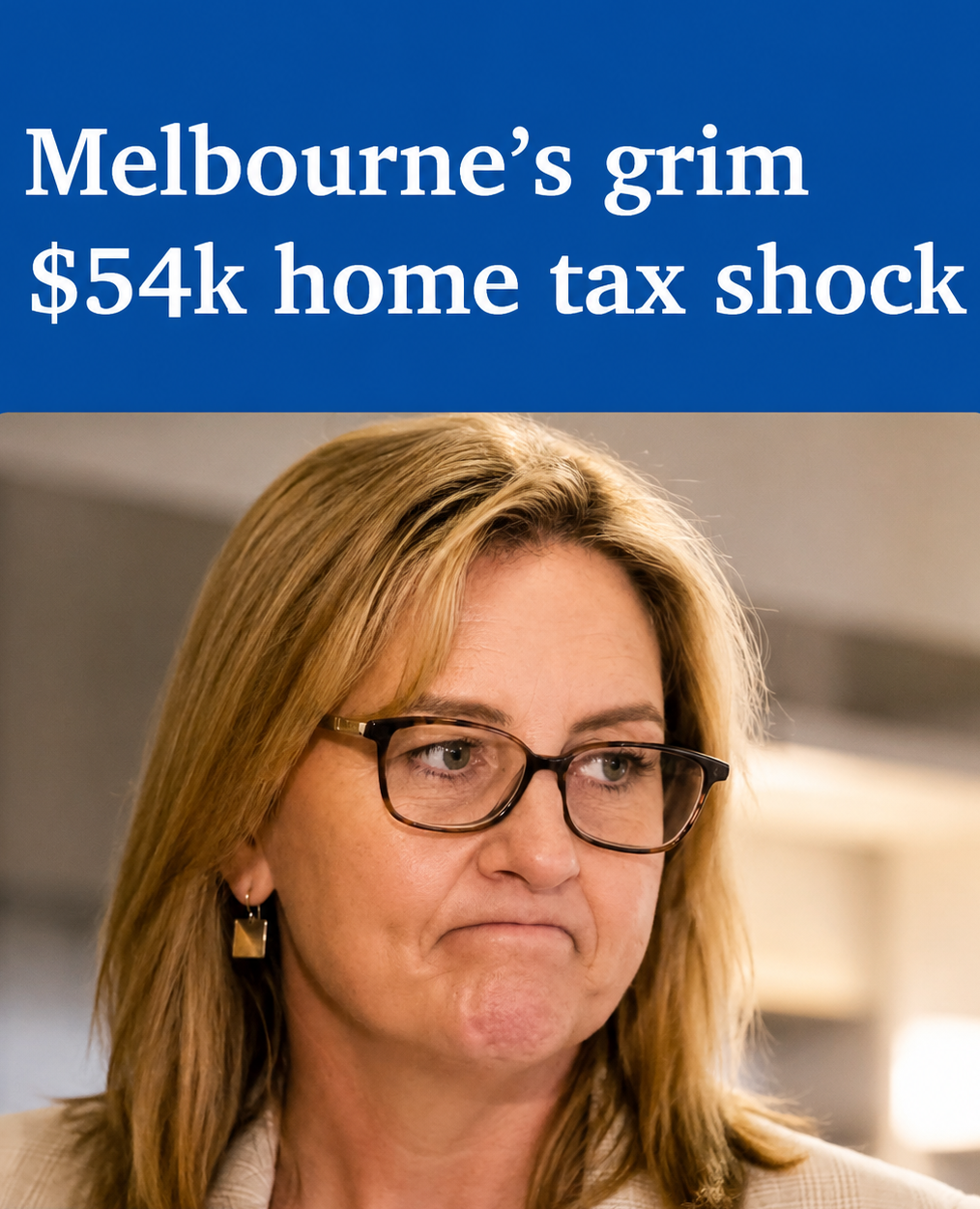
Buying a home in Victoria has become increasingly expensive, with new analysis suggesting stamp duty costs have been rising faster than residential property prices and adding another major hurdle for prospective buyers.
According to published reports, many home purchasers are now paying stamp duty bills that approach the size of what once represented a typical home deposit. The findings have renewed discussion about whether Australia’s existing property tax system continues to provide the most effective balance between government revenue and housing affordability.
Stamp duty is a one-off tax generally paid when purchasing residential property. The amount payable usually depends on the property’s value and the applicable state legislation. In Victoria, stamp duty represents one of the state’s largest sources of taxation revenue and helps fund public services, infrastructure and government programs.
Housing industry organisations have long argued that high upfront transaction costs make it more difficult for first-home buyers and owner-occupiers to enter the property market. They contend that buyers must often save not only for a deposit but also for legal costs, lender fees and stamp duty, significantly increasing the amount needed before purchasing a home.
Some economists also argue that stamp duty can discourage homeowners from moving because purchasing another property triggers a new tax liability. They suggest that this may reduce housing mobility by encouraging people to remain in homes that no longer suit their needs, potentially affecting the efficient use of existing housing stock.
Others note that stamp duty provides governments with a substantial and well-established revenue stream that supports essential public expenditure. Replacing the tax with alternative property taxation models could have significant budget implications and would require careful consideration of transitional arrangements for existing homeowners and future buyers.
Several Australian jurisdictions have examined or introduced reforms that provide eligible buyers with different options for paying property-related taxes. These discussions continue as governments seek ways to improve housing affordability while maintaining stable public finances.
Property analysts emphasise that housing affordability depends on many interconnected factors beyond transaction taxes alone. Interest rates, housing supply, construction activity, household incomes, population growth, planning regulations and lending conditions all influence the overall cost of purchasing a home.
As affordability remains a major concern across Australia, debate over stamp duty reform is likely to continue. Any future changes to Victoria’s property tax system would depend on policy decisions made by the state government following consultation, economic analysis and parliamentary consideration.






