One Nation leader Pauline Hanson has offered a measured assessment of Victorian Liberal leader Jess Wilson, saying she does not consider Wilson to be her political enemy despite ongoing competition between their respective parties.
During a media interview, Hanson explained that while One Nation and the Liberal Party have different policies and priorities, she believes political parties can disagree on issues without treating one another as opponents in every circumstance. She indicated that her principal political focus remains holding the governing Labor Party to account.
Hanson’s comments come at a time of increased discussion about the political landscape in Victoria, following recent opinion polls and renewed debate over issues including cost-of-living pressures, housing affordability, infrastructure projects and government accountability. These issues have become central themes in public discussion as political parties prepare for future electoral contests.
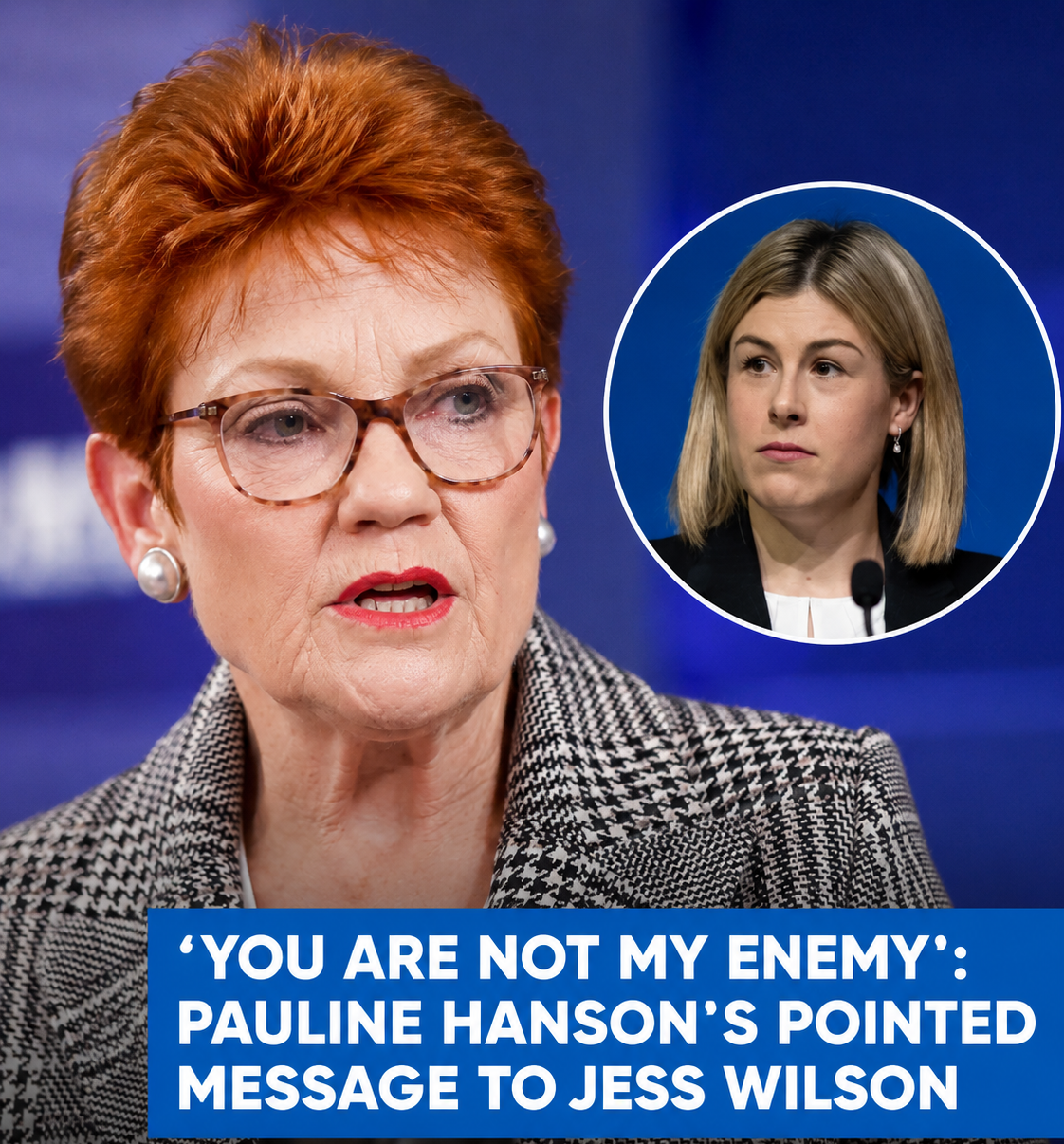
According to Hanson, political competition does not prevent parties from sharing similar views on particular policy matters. She suggested that where parties identify common interests, there may be opportunities for constructive engagement while each continues promoting its own policy platform and seeking voter support independently.
Political analysts note that relationships between opposition parties can vary depending on the issue under discussion. Although parties often compete directly for votes, they may occasionally express similar positions on legislation or public policy without forming formal political partnerships.
At this stage, Hanson’s remarks do not indicate the existence of any formal alliance, coalition agreement or electoral arrangement between One Nation and the Victorian Liberal Party. Both organisations continue to operate independently and present separate policy agendas to voters.
Observers also note that political rhetoric frequently evolves during election cycles as parties seek to distinguish themselves while responding to changing public priorities. Statements about cooperation or political rivalry should therefore be understood within the broader context of ongoing parliamentary and electoral competition.
As debate continues across Victoria, voters are likely to hear differing perspectives from all major parties on issues such as economic management, housing, public services and infrastructure. How those policy differences influence public opinion will become clearer through future polling and, ultimately, at election time.
For now, Hanson’s comments provide another example of the complex relationships that can exist between political parties, where disagreement on many issues may coexist with occasional areas of shared policy interest, while each party continues pursuing its own electoral objectives.






