Australian film icon Paul Hogan has publicly distanced himself from Pauline Hanson’s vision of a “monocultural” Australia after the One Nation leader cited him as an example of the national identity she believes should be celebrated.
The exchange has become one of the most widely discussed moments in Australia’s ongoing debate over multiculturalism, national identity and social cohesion, with political leaders, commentators and members of the public offering differing perspectives on Hanson’s proposal.
In a recent Senate speech, Pauline Hanson argued that Australia should become “multiracial but monocultural”, saying people from different backgrounds could continue to live in Australia while embracing a common set of national values, laws and cultural traditions. As part of that speech, she described Paul Hogan and Garry McDonald’s satirical character Norman Gunston as examples of what she called the essential features of Australian monoculture.
Hogan rejected that characterisation during media interviews, reportedly calling Hanson “a pelican” and saying she was “living in the past”. He added that while he hopes to return permanently to Australia in the future, he wants it to remain “a multicultural Australia”. His remarks reflected his personal views and quickly attracted widespread attention across Australian media and social platforms.
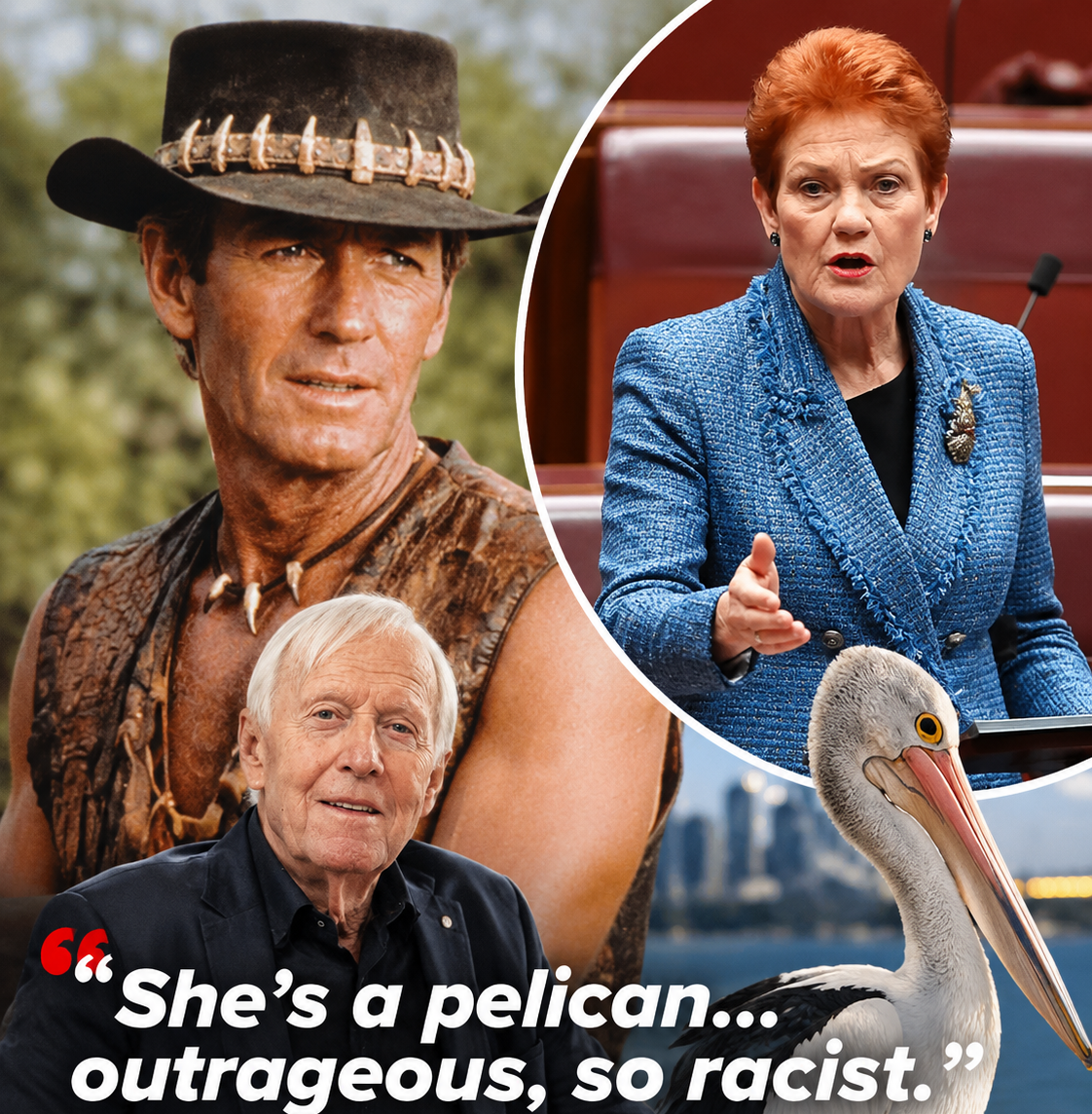
Hanson has continued to defend her position, arguing that the term “monocultural” has been misunderstood. She says her proposal does not refer to race or ethnicity but instead to people from diverse backgrounds sharing common Australian civic values, democratic institutions, secular laws and respect for the rule of law. Critics, however, argue that the language risks creating division and undermining Australia’s long-standing multicultural framework.
The disagreement highlights broader differences in how Australians view national identity. Supporters of multiculturalism argue that Australia’s cultural diversity has strengthened the country socially and economically while allowing migrants to retain elements of their heritage. Others believe stronger emphasis should be placed on social integration, shared civic responsibilities and a common national culture.
Political leaders from across the spectrum have responded to Hanson’s speech in different ways. Some have criticised the proposal as unnecessary or divisive, while others have argued that public discussion about immigration, integration and national identity remains an important part of democratic debate.
Analysts note that questions surrounding immigration, housing affordability, social cohesion and cultural identity have become increasingly prominent in Australian politics. Those issues continue to influence public opinion and feature prominently in opinion polling alongside concerns about the cost of living and economic management.
Although Hogan’s remarks have become a focal point of the discussion, the wider debate extends beyond the comments of any individual. As political parties continue presenting competing visions for Australia’s future, questions about multiculturalism, national identity and social cohesion are likely to remain significant topics in public life ahead of future elections.






