Debate over government spending, cost-of-living pressures and energy policy has intensified after a recent opinion article argued that One Nation’s message is resonating with some Australians frustrated by rising household expenses and public expenditure priorities.
According to the published commentary, the author argues that growing concern about living costs has increased public interest in policies proposed by One Nation, particularly those relating to government spending, climate programs and taxpayer-funded initiatives. These views represent the opinion of the article’s author and do not constitute independently verified findings about public opinion.
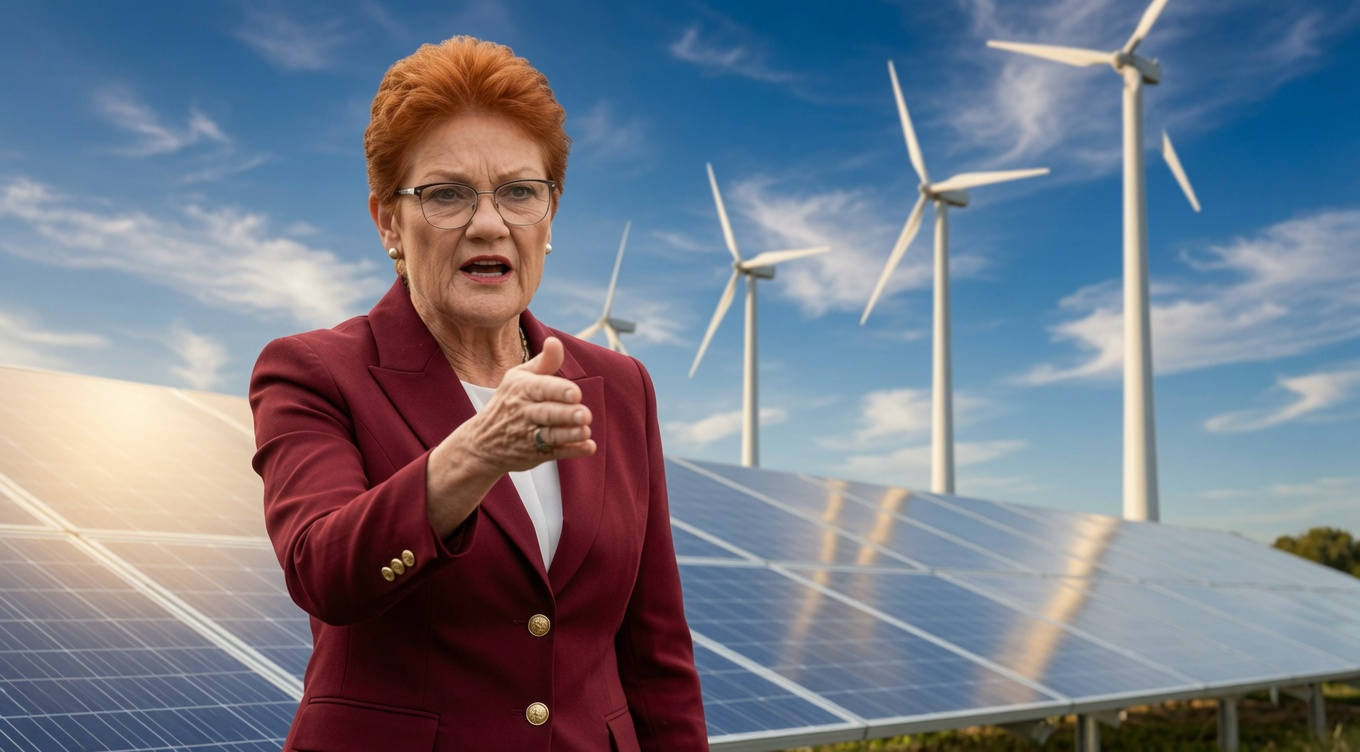
One Nation has consistently argued that government expenditure should place greater emphasis on reducing cost-of-living pressures, strengthening essential public services and limiting spending on programs the party believes deliver limited value to taxpayers. The party has also proposed changes to Australia’s climate and energy policies, including reducing or removing support for certain renewable energy initiatives. These positions reflect One Nation’s published policy platform.
The Albanese Government has taken a different approach, maintaining that investment in renewable energy, emissions reduction and related infrastructure forms part of a broader strategy to strengthen Australia’s long-term energy security, support economic development and achieve national climate objectives. Government ministers have argued that these investments are intended to benefit households and businesses over time while supporting the transition to a lower-emissions economy.
Cost-of-living pressures remain one of the most significant issues facing Australian households. Inflation, housing affordability, energy prices, interest rates and everyday household expenses continue influencing public debate and shaping the priorities of governments, businesses and voters across the country.
Economic analysts note that governments regularly face difficult decisions when allocating public resources. Investment in infrastructure, healthcare, education, energy, defence and social services must be balanced against budget constraints, long-term fiscal sustainability and competing policy priorities. Different political parties often reach different conclusions about where government spending should be directed.
Energy policy has become another defining area of political debate. Supporters of renewable energy investment argue that expanding clean energy infrastructure can strengthen long-term energy security, encourage private investment and reduce emissions. Critics question the pace, cost and design of some government programs, arguing that affordability and reliability should remain central considerations.
Political observers expect government spending and energy policy to remain major issues leading into future elections. Australians are likely to continue hearing competing arguments from Labor, the Coalition, One Nation and other parties about taxation, public investment, climate policy and the best approach to improving living standards while maintaining sustainable public finances.
Ultimately, decisions regarding government expenditure and energy policy are determined through Australia’s democratic process. As economic conditions evolve, public debate over how taxpayer funds should be allocated is expected to remain a central feature of national political discussion.






