Australia’s political debate continues to focus on economic policy as parties seek to convince voters they can address rising household costs, housing affordability and broader concerns about the national economy.
A recent opinion article argues that One Nation’s recent political momentum may face a significant test if the party is required to present detailed economic policies before a future federal election. According to the commentary, voters may increasingly examine how proposed measures would affect inflation, interest rates, government finances and household budgets. These views represent the author’s analysis rather than established political fact.
The opinion suggests that public support for political parties often depends not only on broad campaign messages but also on the practical details of how policies would be implemented. In areas such as taxation, housing affordability, government spending and economic management, voters frequently seek information about expected costs, benefits and long-term outcomes.
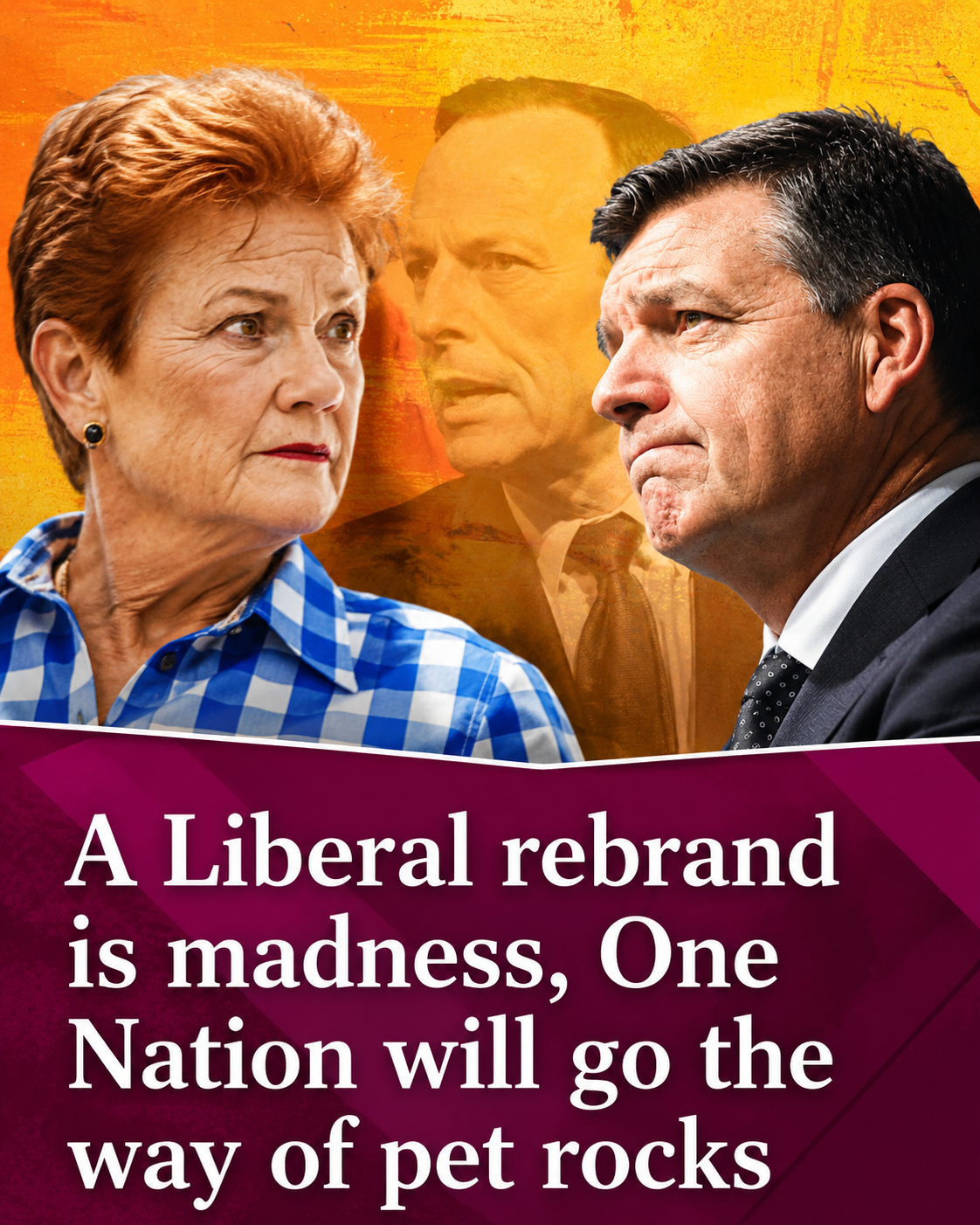
One Nation has continued promoting policies focused on issues including cost-of-living pressures, immigration, housing affordability and government spending. Party representatives argue their proposals are intended to improve economic conditions and provide alternatives to the policies of the major parties.
Supporters of the Liberal Party contend that presenting a comprehensive economic platform could help rebuild voter confidence following recent electoral setbacks. They argue that detailed fiscal policies and clear implementation plans may become increasingly important as economic issues remain central to public debate.
Political analysts note that election campaigns often evolve as parties release additional policy information closer to polling day. Economic proposals are commonly assessed by independent economists, business groups, industry organisations and voters, who may examine projected costs, expected outcomes and possible trade-offs before forming their views.
Experts also observe that economic performance is influenced by many interconnected factors, including monetary policy, global market conditions, productivity, employment, government spending and consumer confidence. As a result, evaluating competing economic platforms generally requires consideration of multiple variables rather than individual policy proposals in isolation.
Opinion polls indicate that economic management, housing affordability and household budgets remain among the issues Australians consider most important. Consequently, parties across the political spectrum are expected to continue refining and explaining their economic policies as future elections approach.
Whether recent shifts in political support prove lasting will ultimately depend on a combination of policy development, campaign performance and voter decisions at the ballot box. Until then, commentary about future political outcomes remains part of Australia’s broader public debate rather than a prediction of election results.






