Australia’s shifting political landscape has become the focus of renewed attention after recent opinion polls indicated growing support for One Nation, prompting fresh debate about the changing balance of support among minor parties and the strategies they are pursuing ahead of future elections.
The discussion has intensified as One Nation argues its recent polling gains reflect growing dissatisfaction with both major parties and increasing frustration over issues such as housing affordability, migration, the cost of living and government spending. At the same time, the Greens continue defending their approach of negotiating with the Labor government on selected legislation while opposing other parts of its agenda.
Several recent opinion polls have recorded stronger primary vote support for One Nation than in previous years, with some surveys placing the party ahead of the Coalition on primary votes and well above the Greens. Analysts caution, however, that polling results vary between research companies and represent voter sentiment at a particular point rather than predicting election outcomes. Preference flows and electorate-level contests can ultimately produce very different parliamentary results.
One Nation has argued that its gains reflect growing public concern over immigration, housing affordability, taxation and national identity. Party representatives contend that these issues have attracted voters who previously supported either Labor or the Coalition and who are seeking a different political alternative. Recent fundraising campaigns and public appearances have also helped increase the party’s visibility.
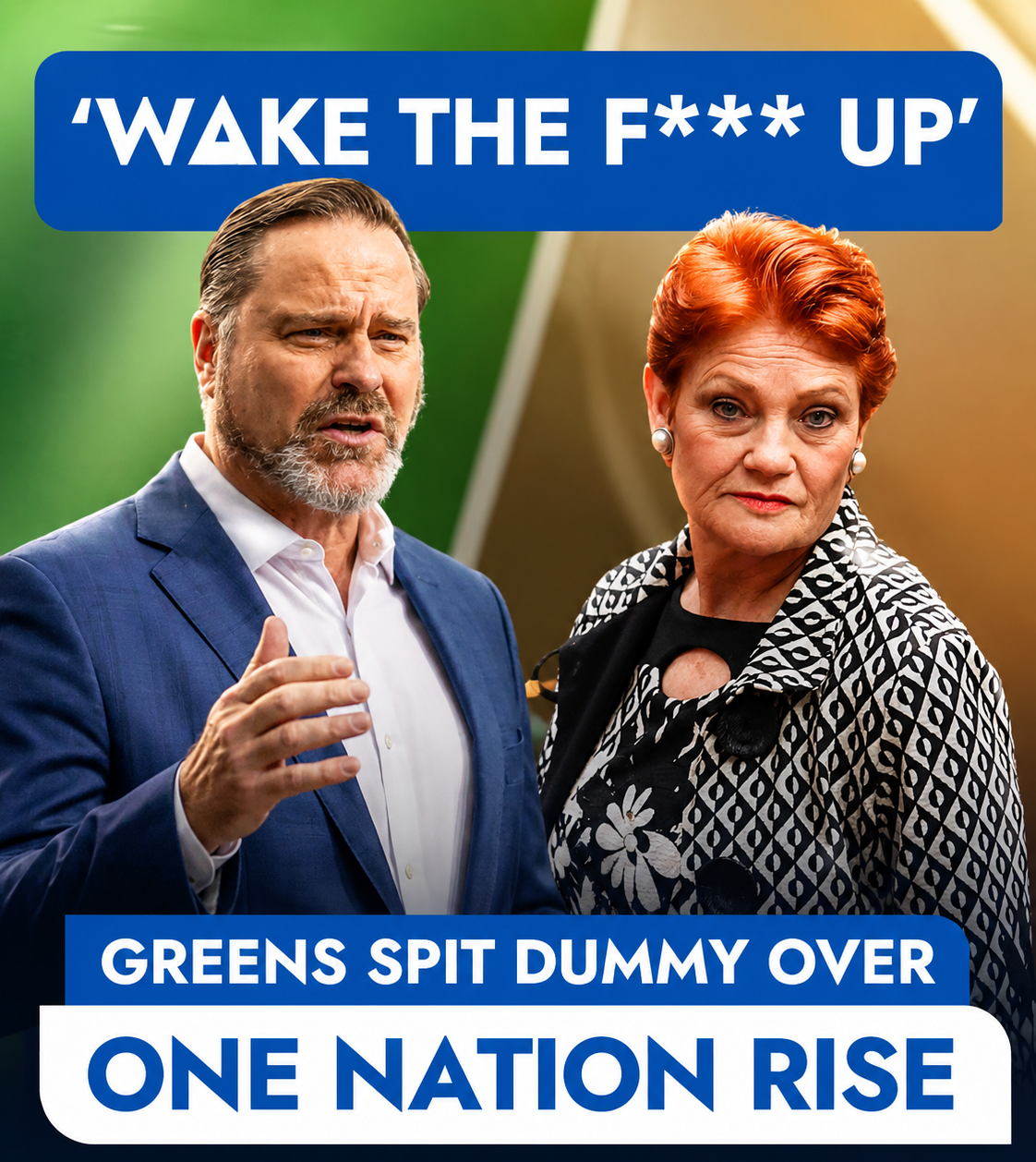
The Greens reject the suggestion that polling alone determines political influence. The party has continued negotiating with the Albanese government on a range of legislative proposals, including housing, taxation and environmental policies, while opposing other government measures such as aspects of proposed National Disability Insurance Scheme reforms. Greens leaders argue that using their Senate position to negotiate changes is part of their parliamentary role rather than evidence of unconditional support for Labor.
Critics of the Greens take a different view. Some commentators argue that repeated negotiations with Labor have blurred the distinction between the two parties and weakened the Greens’ image as an independent political force. Others maintain that compromise is an unavoidable feature of Australia’s parliamentary system, particularly when governments require crossbench support to pass legislation through the Senate.
The debate also reflects broader changes occurring within Australian politics. Support for the major parties has become increasingly fragmented over recent years, creating more opportunities for smaller parties and independents to influence national debates. As a result, competition among minor parties has intensified, particularly for voters dissatisfied with traditional party politics.
Political researchers note that while primary vote polling is an important indicator, Australia’s preferential voting system means election outcomes depend on much more than headline percentages. Preference distributions, local candidates, campaign quality and regional issues frequently determine who ultimately wins individual electorates.
Housing affordability remains one of the strongest drivers of current political debate. Migration, taxation, energy prices and the overall cost of living have also emerged as major issues influencing voter attitudes. Different parties continue offering contrasting approaches to these challenges, contributing to the changing polling landscape seen throughout 2026.
Whether One Nation’s recent momentum continues will depend on how public opinion evolves over the coming months and whether the party can convert polling support into electoral success. Likewise, the Greens face the challenge of demonstrating that their parliamentary negotiations deliver tangible policy outcomes while maintaining support among voters seeking a distinct progressive alternative.
For now, the latest polling has become another reminder that Australia’s political environment remains highly competitive. With multiple parties competing for voters dissatisfied with the status quo, debates over strategy, leadership and policy are likely to remain central features of national politics as the next election approaches.






