One Nation has renewed its criticism of the Albanese Government’s energy policy, arguing that Australia’s commitment to net zero emissions has contributed to higher electricity costs and increased pressure on household budgets.
According to a statement released by the party, One Nation claims Australia’s energy transition has added to the cost of living and argues the country should instead make greater use of its domestic natural resources. The party also referred to reports suggesting Australian households have collectively paid significantly more for electricity since Labor came to office. These claims represent One Nation’s political position and remain the subject of ongoing public and economic debate.
The Albanese Government has consistently defended its energy strategy, stating that investment in renewable energy, electricity transmission and modernisation of the national grid is intended to strengthen long-term energy security, reduce emissions and help place downward pressure on power prices over time. Ministers have argued that the transition is necessary to ensure Australia’s future energy reliability while responding to changing global energy markets.
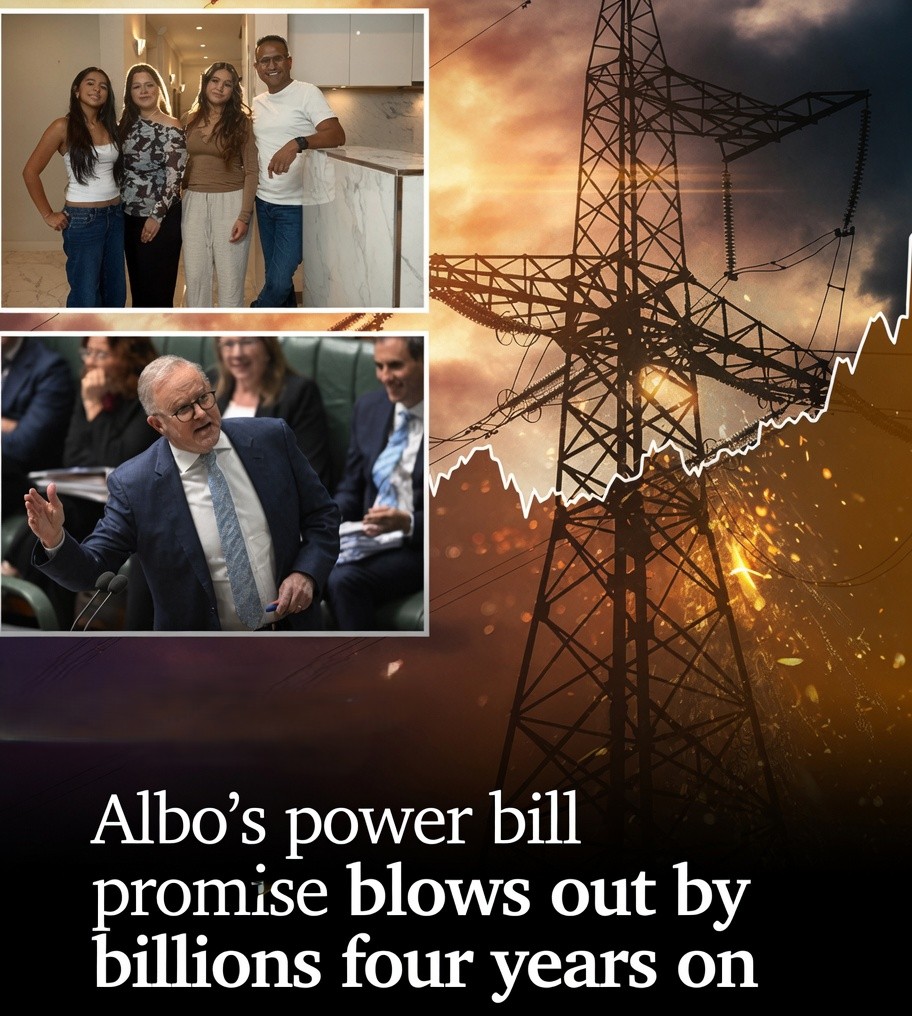
Critics of the Government’s approach contend that the pace of the transition has increased costs for households and businesses, particularly during a period already marked by inflation and broader cost-of-living pressures. They argue that maintaining a larger role for traditional energy sources could help improve affordability while supporting economic growth.
Energy economists note that electricity prices are influenced by a wide range of factors beyond government policy alone. Wholesale energy markets, international fuel prices, transmission infrastructure, weather events, investment cycles, network costs and consumer demand all contribute to the prices ultimately paid by households and businesses.
Australia’s long-term energy transition continues to be one of the country’s most significant policy debates. Supporters of accelerated renewable investment argue it will deliver lower operating costs, improved energy security and reduced emissions over time. Others believe greater reliance on conventional energy sources should continue while new technologies mature and infrastructure is expanded.
Political parties have outlined differing approaches to achieving affordable, reliable and sustainable energy supplies. These competing policies are expected to remain a central issue in future election campaigns as Australians continue facing cost-of-living pressures and increasing demand for secure electricity supplies.
Analysts observe that energy policy has become closely linked with broader discussions surrounding inflation, industrial competitiveness, housing affordability and economic productivity. Decisions made in this area can have implications for households, businesses and government finances over both the short and long term.
As debate continues, Australians are likely to hear further competing arguments about the best pathway for balancing affordability, reliability, environmental objectives and economic growth. Any future changes to national energy policy would depend on parliamentary decisions and the outcome of future elections.






