One Nation has intensified its campaign against senior Liberal MP Andrew Hastie, declaring it will focus significant resources on defeating him in the Western Australian electorate of Canning as long-running divisions over former SAS soldier Ben Roberts-Smith continue to shape the political contest.
The dispute has evolved beyond policy disagreements and is now centred on competing views of Andrew Hastie’s role during the Ben Roberts-Smith defamation proceedings, creating one of the most personal political battles currently unfolding within Australia’s conservative movement.
One Nation argues that Hastie’s decision to give evidence during Ben Roberts-Smith’s defamation trial represented a betrayal of a fellow former SAS soldier. Party figures have repeatedly criticised his involvement in the proceedings and say Canning has become a priority target at the next federal election. Those comments have been reinforced by senior adviser James Ashby, who indicated One Nation intends to field a strong challenger in the electorate.
Hastie has firmly rejected those accusations. He maintains that appearing as a witness was a legal obligation rather than a political act and has consistently said that everyone, including Roberts-Smith, is entitled to the presumption of innocence in criminal proceedings. At the same time, he has argued that no individual is above the law and that witnesses should not be intimidated for participating in judicial processes.
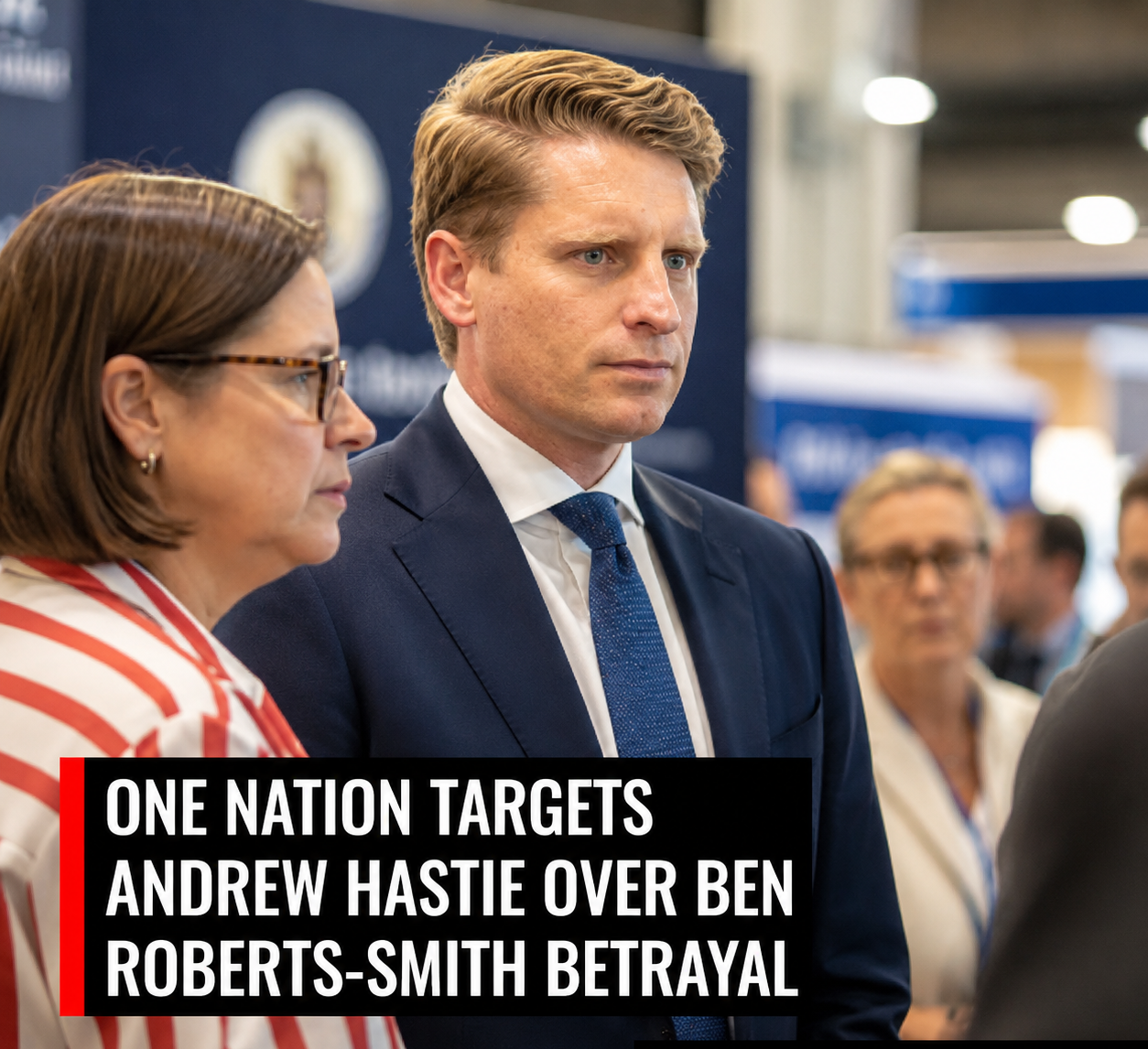
The disagreement has become increasingly heated in recent weeks. Hastie told supporters that One Nation had effectively declared political “war” on him after the party signalled its intention to heavily contest Canning. He said the campaign had become personal and revealed additional security measures had been implemented following what he described as sustained attacks directed at him and his office.
One Nation, meanwhile, argues it is responding to growing dissatisfaction among conservative voters. The party has expanded its focus beyond traditional policy issues such as migration, energy and the cost of living, increasingly targeting Coalition-held seats where it believes voters are seeking an alternative to the major parties. Recent polling showing stronger support for One Nation has encouraged the party to pursue a more aggressive electoral strategy.
The political significance of Canning extends beyond one electorate. Andrew Hastie is widely regarded as one of the Liberal Party’s most prominent figures and has frequently been mentioned as a potential future leader. A highly competitive contest in his seat would therefore attract national attention and could influence broader discussions about the Coalition’s direction.
The Ben Roberts-Smith matter remains a sensitive issue in Australian public life. Roberts-Smith has denied wrongdoing and continues to maintain his innocence in the criminal proceedings currently before the courts. The earlier defamation case and the ongoing criminal case involve separate legal processes, and the criminal allegations have not been determined by a jury.
Political analysts say the confrontation also reflects a wider contest for conservative voters. While the Liberal Party seeks to rebuild support after electoral setbacks, One Nation has attempted to position itself as a stronger voice on issues including national identity, defence, migration and government spending. That overlap has intensified competition between the two parties in several electorates.
For voters in Canning, the campaign is likely to become one of the most closely watched contests before the next federal election. Both parties are expected to devote substantial attention to the seat, making local issues, candidate credibility and leadership questions central themes of the campaign.
Whether One Nation can convert its recent polling momentum into an electoral victory remains uncertain. What is already clear is that the dispute between Andrew Hastie and One Nation has become far more than a disagreement over one court case—it has developed into a broader contest over the future direction of conservative politics in Australia.






