Australia’s political landscape remains highly competitive following a series of opinion polls indicating continued challenges for the Liberal Party under Opposition Leader Angus Taylor, while One Nation continues to attract significant voter support.
The latest polling has renewed debate about the Coalition’s strategy, leadership and ability to reconnect with voters ahead of the next federal election.
Recent Newspoll results reported the Liberal Party’s primary vote at approximately 17 per cent, one of the party’s weakest results in modern polling. The survey placed Labor ahead on 33 per cent, while One Nation recorded around 29 per cent, highlighting a significant shift in voter support compared with previous election cycles.
The latest figures have increased scrutiny of Opposition Leader Angus Taylor, who became Liberal leader earlier this year. Polling released alongside the primary vote results suggested his personal approval ratings remain under pressure, while preferred prime minister surveys continue to show stronger support for Prime Minister Anthony Albanese and, in some polls, One Nation leader Pauline Hanson.
Commentary published following the polling argues that the Coalition continues to face difficulties rebuilding support after its recent electoral setbacks. Some analysts believe conservative voters dissatisfied with both major parties have increasingly shifted toward One Nation, particularly on issues including immigration, housing affordability, taxation and cost-of-living pressures.
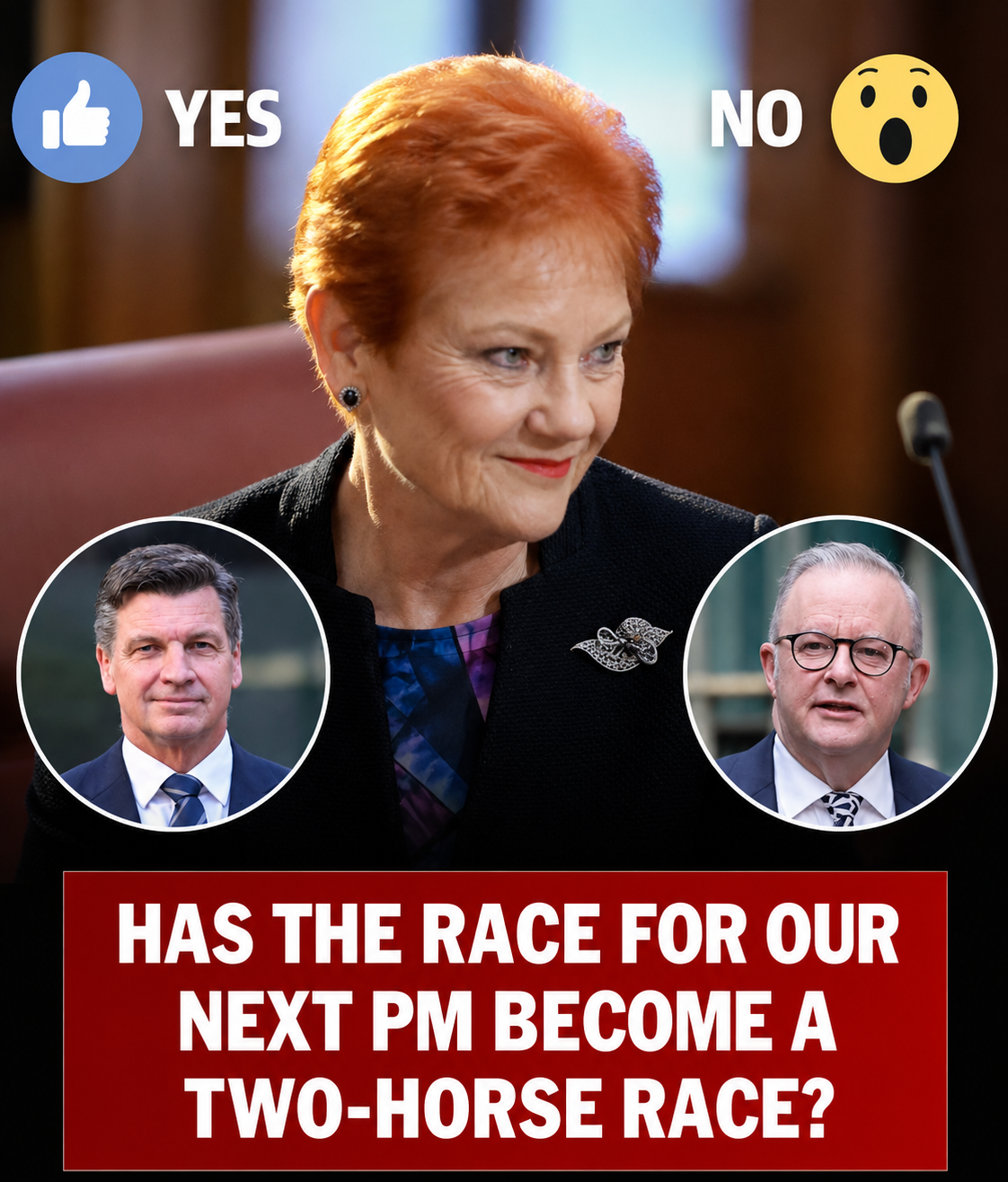
Within the Liberal Party, the polling has also prompted discussion about future strategy. Some MPs have suggested the party needs to modernise its public image and rebuild voter trust, while others argue the focus should remain on developing policies rather than changing branding. Senior party figures have publicly expressed differing views on how best to respond to the decline in support.
Angus Taylor has continued to defend the Coalition’s long-term strategy, arguing that rebuilding voter confidence will require sustained policy development rather than short-term reactions to individual opinion polls. Coalition representatives have maintained that there is still considerable time before the next federal election and that public opinion may shift as policy differences become clearer.
Political analysts caution that opinion polls provide only a snapshot of public sentiment at a particular point in time. Survey results can change as economic conditions evolve, major policy announcements are released or election campaigns intensify. Individual polls also carry statistical margins of error, making longer-term polling trends generally more informative than any single survey.
One Nation’s recent polling strength has become a significant factor in Australia’s political environment, particularly among voters concerned about immigration, housing and living costs. However, support for the party has varied across different polling organisations in recent weeks, with some surveys recording modest declines following public debate over recent policy proposals.
As Parliament continues its current sitting period, all major parties are expected to focus on economic management, taxation, housing affordability and national security. Political observers expect these issues to remain central to voter decision-making as parties prepare for the next federal election and attempt to strengthen their standing in future opinion polls.






