A new opinion poll has attracted widespread political attention after suggesting One Nation has become the most popular political party in Victoria on primary vote, moving ahead of both Labor and the Coalition under the survey’s methodology.
The reported result marks a notable shift in the state’s political landscape and has prompted renewed discussion about changing voter priorities. Political analysts emphasise, however, that opinion polls reflect public sentiment at a particular moment and are not forecasts of future election results.
According to the published survey, One Nation recorded the highest primary vote among the major political parties included in the poll. The findings come during a period of heightened political debate across Victoria, where issues such as housing affordability, cost-of-living pressures, taxation, infrastructure projects and public sector governance have remained prominent topics.
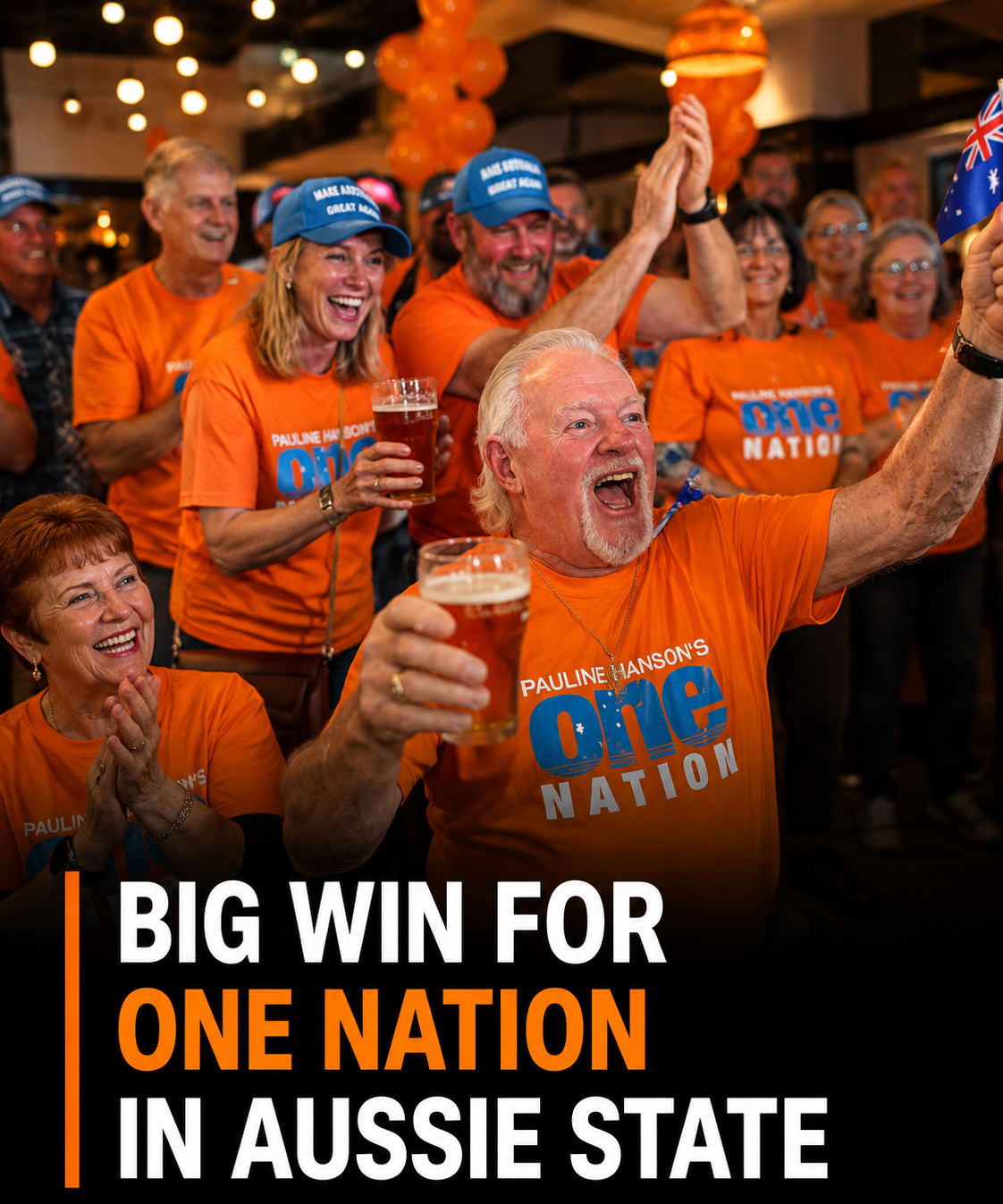
Supporters of One Nation argue that the party’s increased support reflects voter concern about economic pressures and a desire for alternative policy approaches. Labor and Coalition representatives continue promoting their own platforms, maintaining that future elections will ultimately determine which policies receive the strongest public mandate.
Polling experts note that individual surveys can vary because of differences in methodology, sample size, respondent selection and statistical weighting. For this reason, analysts generally place greater emphasis on longer-term polling trends rather than drawing conclusions from a single survey.
Australia’s preferential voting system also means that primary vote figures represent only one part of the electoral picture. Preference distributions, local candidate performance, campaign strategies and electorate-specific factors can all influence the final outcome of an election.
Political observers say recent public debate has increasingly focused on household budgets, healthcare, infrastructure spending, housing supply and economic management. These issues frequently influence voter sentiment and can contribute to changes in polling over time as governments and opposition parties respond with new policy proposals.
With future elections still ahead, all political parties are expected to continue refining their messages and engaging with voters on the issues they consider most important. Additional polling in the coming months will provide further insight into whether the reported shift represents a sustained trend or a temporary movement in public opinion.
While the latest survey has generated significant discussion, the outcome of future elections will ultimately be determined by voters at the ballot box rather than opinion polling alone. Until then, polling results remain one indicator among many used to understand Australia’s evolving political landscape.






