Australia’s political landscape has shifted again after a new nationwide poll suggested the Albanese government has recovered some lost support, while One Nation’s recent surge has eased following weeks of intense debate over taxation, housing policy and national identity.
The latest polling comes after one of the busiest political periods of the year, with the federal government revising several controversial tax measures and One Nation attracting widespread attention through its campaign on multiculturalism, migration and housing affordability. Those events have reshaped public discussion and appear to have influenced voter sentiment.
According to the latest Newspoll, Labor’s primary vote has recovered to around 33 per cent after previously falling behind One Nation during the height of the debate over the government’s tax package. One Nation’s support eased to about 29 per cent, while the Coalition recorded historically weak primary vote support. Although the poll represents only a snapshot of current public opinion, it suggests Labor has regained momentum after making changes to several budget measures that had attracted significant criticism.
Political analysts attribute part of Labor’s recovery to its decision to amend or withdraw several proposed tax measures following strong public and industry feedback. The government revised elements of its property taxation reforms, trust taxation proposals and other budget measures after negotiations with crossbench parties and growing concern from business groups. Ministers argued the adjustments were intended to improve the legislation while still delivering broader tax reform objectives.
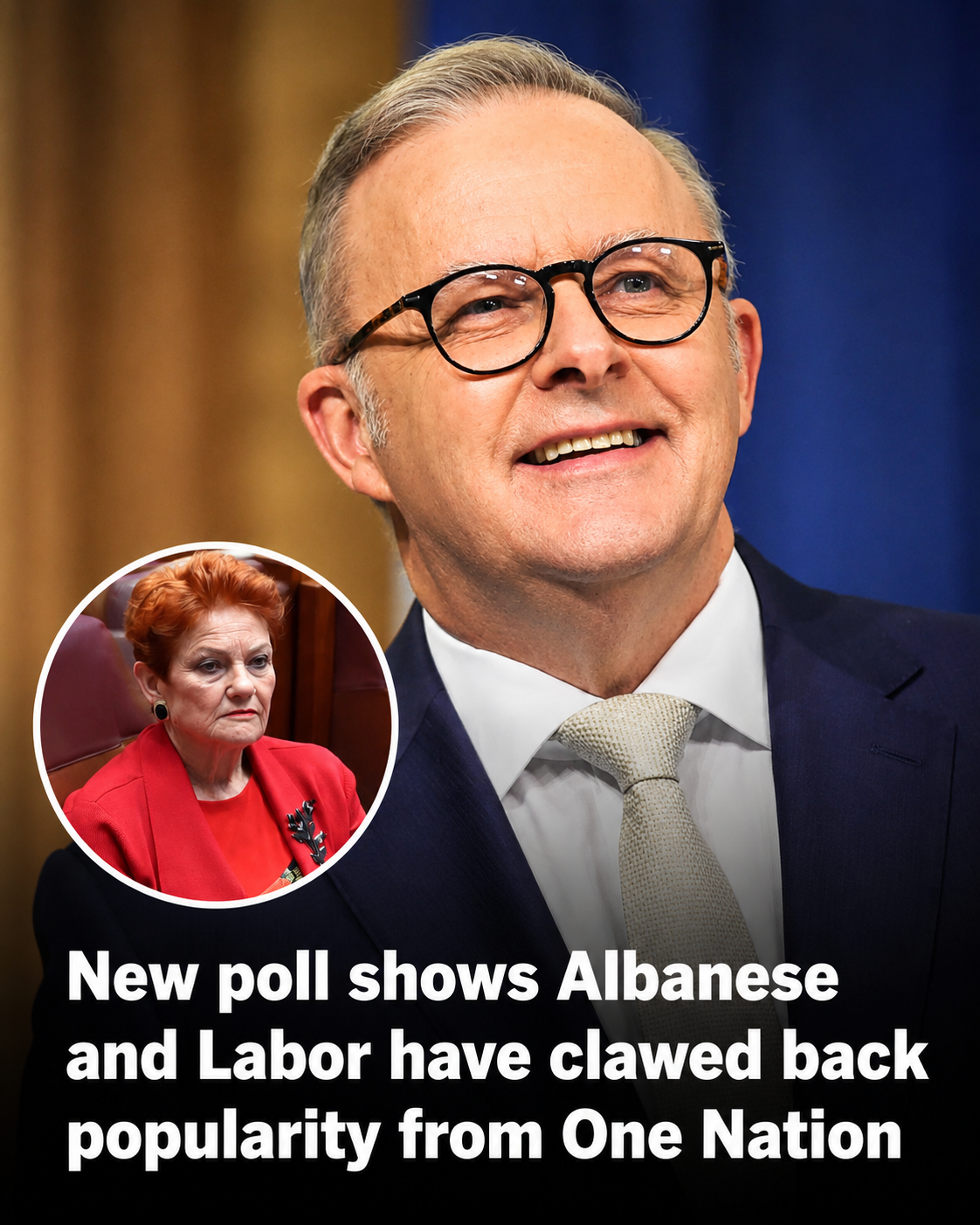
One Nation’s recent campaign also remained a major factor in the political debate. Party leader Pauline Hanson attracted national attention after calling for Australia to become a “monocultural” society during a National Press Club address. Supporters argued the speech highlighted concerns about national identity and social cohesion, while critics described the language as divisive and inconsistent with Australia’s multicultural traditions. The comments generated extensive political discussion and media coverage across the country.
The polling suggests those debates may have produced mixed political outcomes. While One Nation remains substantially stronger than it was following the last federal election, recent surveys indicate some voters have shifted back towards Labor after the government’s policy changes and the intense public discussion surrounding Hanson’s speech. Polling experts caution that short-term movements often occur after major political events and do not necessarily predict future election results.
Housing affordability continues to rank among the issues Australians identify as most important. Surveys consistently show concerns about home ownership, rental costs and the broader cost of living remain key influences on voting intentions. Different political parties continue offering contrasting approaches, including proposals relating to taxation, migration, housing supply and planning reform.
The Coalition also faces continuing challenges. Recent polling recorded historically low levels of primary vote support, increasing pressure on Opposition Leader Angus Taylor as the Liberal Party attempts to rebuild support while competing with both Labor and One Nation for different groups of voters. Analysts say the fragmentation of the conservative vote has become one of the defining features of the current political environment.
Political researchers emphasise that opinion polling should be interpreted carefully. Australia’s preferential voting system means primary vote figures do not directly translate into parliamentary seats, and local candidate strength, preference flows and electorate-specific campaigns can all significantly influence election outcomes. Polls remain useful indicators of public sentiment but are not forecasts of final election results.
For the Albanese government, the latest results provide evidence that policy adjustments may have improved public confidence after a difficult period. For One Nation, the figures suggest that while recent momentum has moderated, the party continues to command substantially higher support than in many previous election cycles, ensuring it remains an influential participant in Australia’s political debate.
As Parliament returns and additional legislation is introduced, housing affordability, taxation, migration and cost-of-living pressures are likely to remain the issues shaping voter opinion. Whether the latest polling marks the beginning of a longer-term trend or simply a temporary response to recent political events will become clearer in the months ahead.






