A new national poll suggests Australians who support different political parties place value on different leadership qualities, offering fresh insight into what voters expect from those seeking public office.
While the latest Newspoll shows Labor regaining the lead in primary voting intentions, the accompanying research also explored the personal characteristics and leadership styles that resonate most strongly with supporters of Australia’s major political parties.
According to the survey, most Labor and Coalition voters said they preferred leaders who present clear, realistic and practical policies. Respondents in these groups placed considerable emphasis on policy credibility, government competence and the ability to deliver workable solutions to national challenges.
By contrast, supporters of One Nation were more likely to value leaders who they believe understand ordinary Australians and can establish a personal connection with voters. The findings suggest that authenticity, relatability and the perception that a leader shares voters’ experiences remain particularly important among the party’s support base.
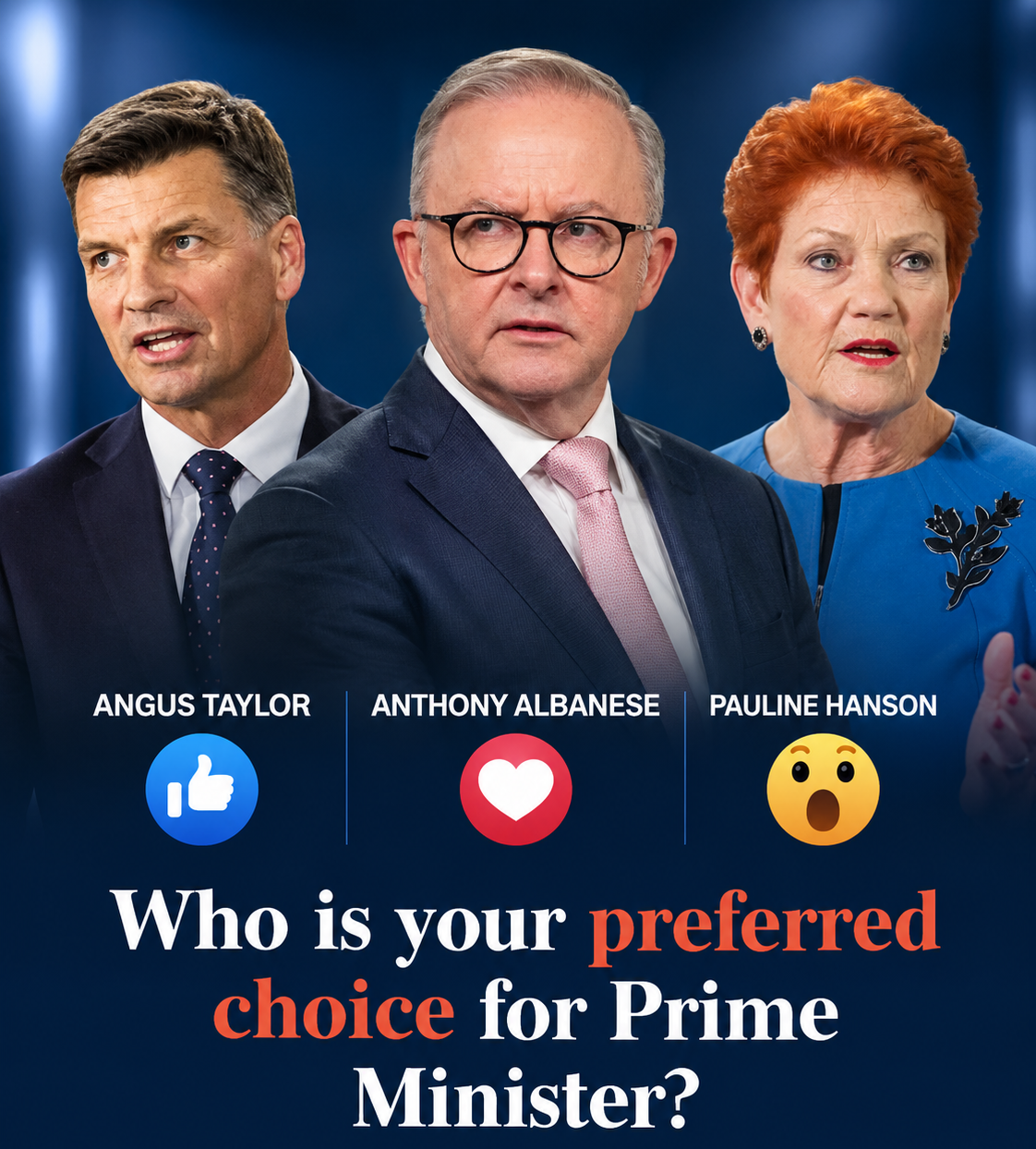
The polling also illustrates how leadership style can influence political support alongside policy proposals. Political researchers have long noted that many voters consider both a party’s platform and whether its leaders appear trustworthy, approachable and capable of representing their concerns. Different voter groups often assign different levels of importance to those qualities.
The latest Newspoll found Labor’s primary vote had increased to 33 per cent, ahead of One Nation on 29 per cent, while the Coalition recorded 17 per cent. Prime Minister Anthony Albanese also improved his personal approval rating compared with previous polling, although satisfaction levels across Australia’s major political leaders remain mixed.
Analysts caution that opinion polls provide a snapshot of public sentiment rather than a prediction of election outcomes. Polling results can shift in response to policy announcements, economic developments, campaign performance and major political events. For that reason, trends observed across multiple surveys generally provide a more reliable indication of changing public opinion than any single poll.
The findings also highlight Australia’s increasingly diverse political environment. As support for minor parties and independents has grown in recent years, understanding what motivates different groups of voters has become increasingly important for parties seeking to broaden their electoral appeal.
With debate continuing over housing affordability, taxation, migration and the cost of living, future polling will help determine whether these differing leadership preferences remain consistent or evolve as political priorities change during the coming months.






