Environment Minister Murray Watt has launched a strong attack on Pauline Hanson following her National Press Club address, accusing the One Nation leader of promoting “division, chaos and cuts” across key areas of Australian policy.
The comments come in response to Hanson’s speech, which covered a wide range of issues including multiculturalism, climate policy and workplace regulation, and quickly sparked political backlash from the federal government.
Watt said the tone and direction of Hanson’s remarks risk undermining social cohesion and stability at a time when Australia is already facing significant policy challenges.
He argued that the proposals and commentary presented in the speech reflected an approach that could deepen divisions within the community rather than address underlying economic and social pressures.
Hanson’s National Press Club appearance has already become a focal point of national debate, particularly around her stance on immigration, national identity and environmental policy settings.
Supporters of the One Nation leader say she is raising concerns that are not being properly addressed by major political parties, particularly on issues affecting cost of living and policy direction.
However, government figures have pushed back strongly, arguing that her framing of these issues is designed to provoke division rather than constructive policy debate.
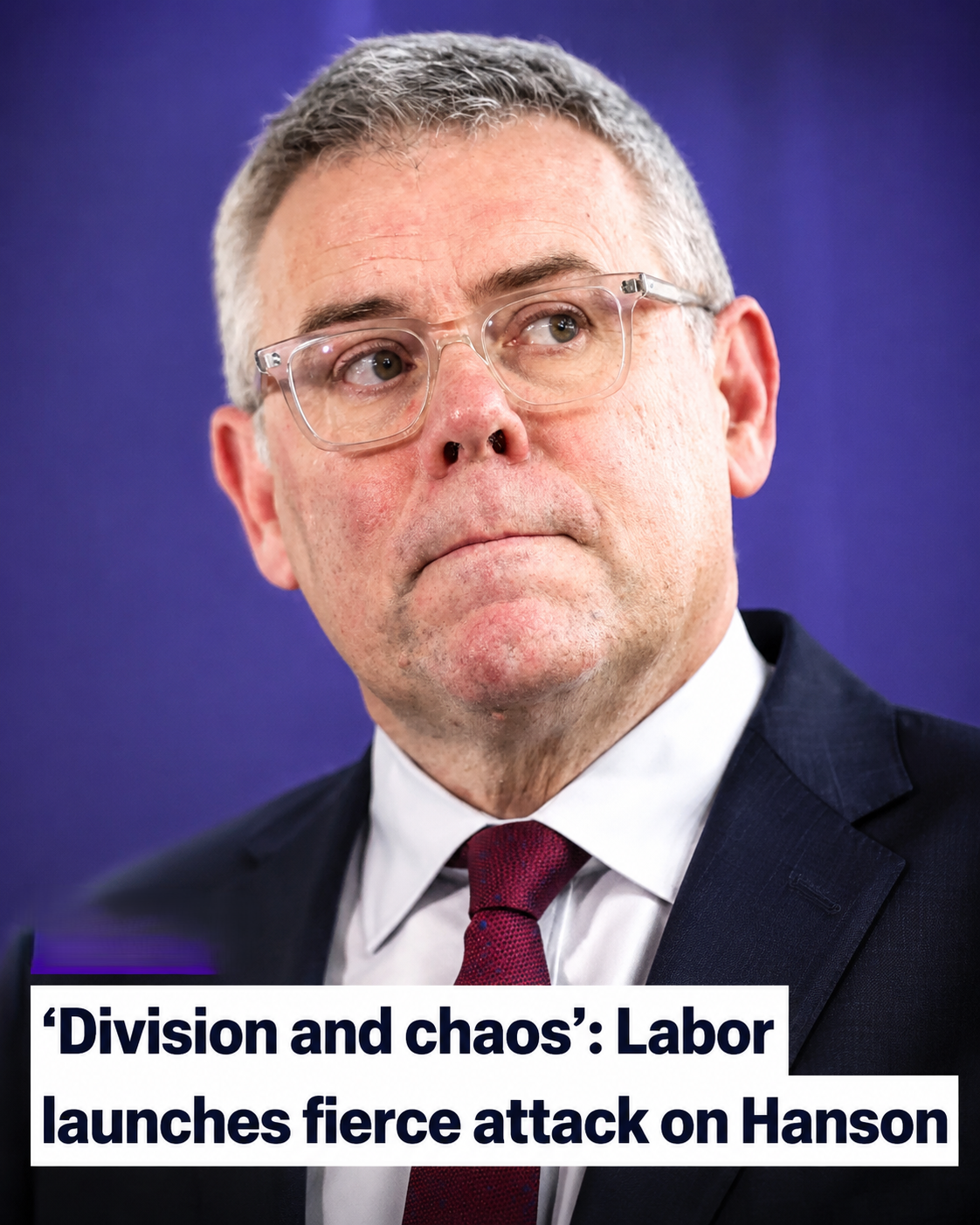
The clash between Watt and Hanson highlights the ongoing political tension between Labor and One Nation as both sides seek to define the national conversation ahead of future elections.
Climate policy remains one of the most contested areas, with the government focused on emissions reduction and energy transition, while critics argue the economic impacts are not being fully considered.
Multiculturalism is another key flashpoint, with Hanson continuing to challenge existing frameworks that support cultural diversity as a core national principle.
Workplace laws and economic policy also featured in her address, adding to the breadth of issues covered in the speech and the intensity of the political response.
For the government, Watt’s remarks form part of a broader strategy to counter One Nation’s messaging and defend current policy direction.
For Hanson and her supporters, the criticism reinforces their argument that mainstream politics is resistant to alternative viewpoints on major national issues.
The result is a highly polarised political environment where speeches, statements and responses quickly escalate into national debate.
As both sides continue to sharpen their messaging, the fallout from the National Press Club address is expected to remain a talking point in coming weeks.






