Australia’s housing affordability debate has intensified after new Australian Bureau of Statistics data highlighted a widening gap between population growth driven by overseas migration and the number of new homes being built across the country’s major states.
The figures have renewed political disagreement over whether migration policy, housing construction or a combination of multiple factors is primarily responsible for Australia’s ongoing housing shortage. While political parties continue offering sharply different solutions, the latest data has become central to the national conversation about affordability.
According to analysis based on Australian Bureau of Statistics data, every major Australian state has experienced stronger net overseas migration than growth in housing supply since 2022. New South Wales recorded approximately 450,000 additional net overseas migrants during that period while around 149,000 new dwellings were completed. Using average household occupancy estimates, analysts concluded housing construction has struggled to keep pace with population growth.
The findings have become a major political issue because housing affordability consistently ranks among Australians’ biggest concerns. Opposition politicians argue that migration levels should better reflect the nation’s capacity to build homes, roads, schools and other essential infrastructure. Some have proposed linking future migration settings to annual housing construction targets so population growth and supply remain more closely aligned.
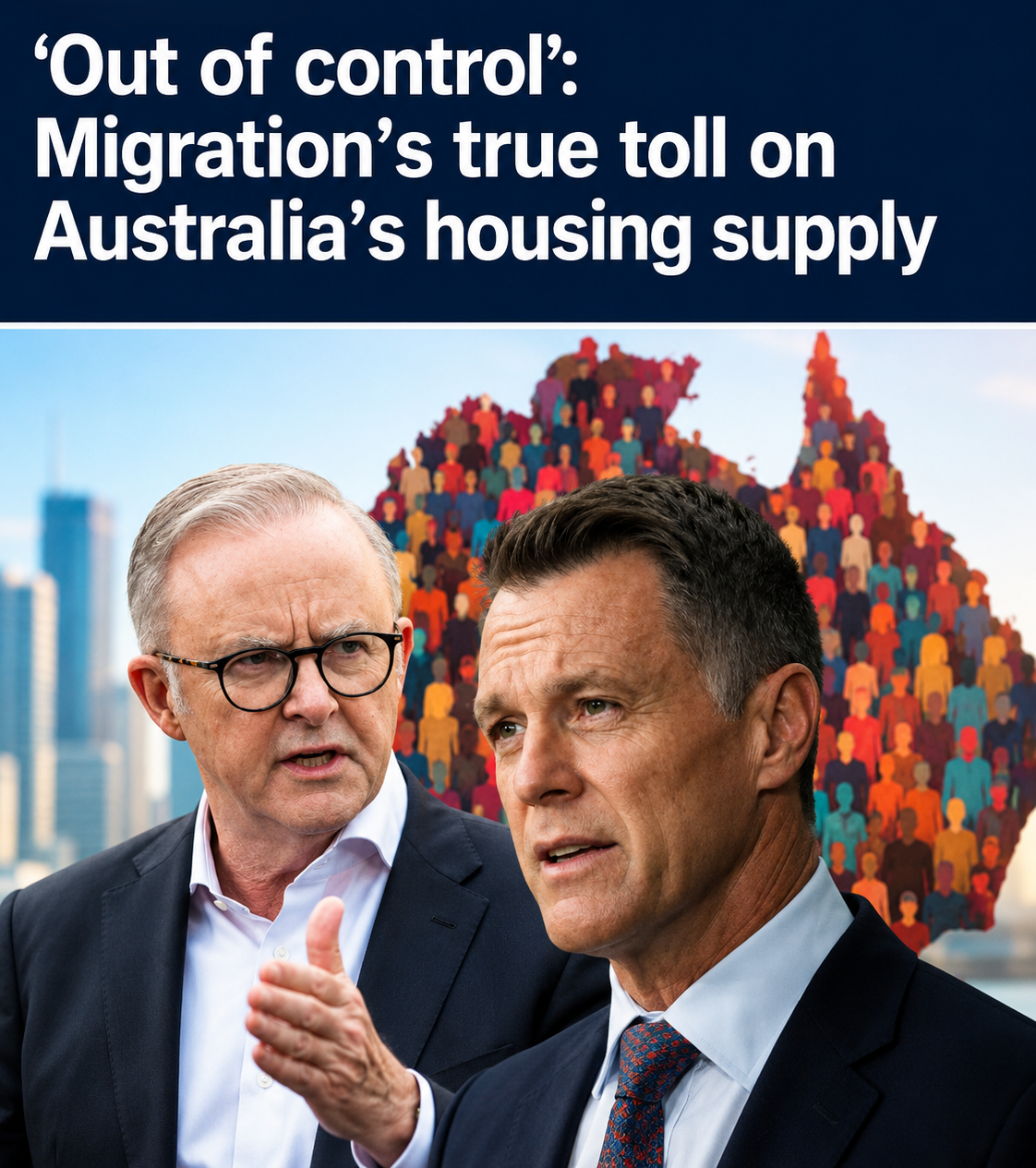
One Nation has also pointed to the figures as evidence supporting its long-standing calls for lower migration levels, arguing that both Labor and Coalition governments have overseen migration settings that increased demand faster than new housing could be delivered. The party maintains reducing migration should form part of any long-term strategy aimed at improving housing affordability.
The Albanese government rejects suggestions that migration alone explains the housing crisis. Ministers say net overseas migration has already fallen substantially from the unusually high levels recorded immediately after international borders reopened following the pandemic. The government also points to stronger housing commencements, planning reforms and investment designed to increase the supply of new homes over time. Officials argue Australia’s housing shortage developed over many years and cannot be solved through migration policy alone.
Housing economists likewise caution that the issue is more complex than a single cause. Alongside migration, they identify planning restrictions, labour shortages, rising construction costs, higher interest rates, infrastructure bottlenecks and slower building approvals as important factors limiting the pace of new housing supply. Several analysts say reducing migration could ease short-term demand pressures but would not, by itself, resolve Australia’s structural shortage of homes.
Recent property market data illustrates those pressures. Vacancy rates remain historically low in many cities, while rents and purchase prices continue placing significant financial strain on households. Although some markets have begun cooling after several years of rapid growth, demand for housing continues to exceed available supply in many metropolitan areas.
Business groups have also entered the debate, warning that migration plays an important role in addressing workforce shortages across industries including healthcare, construction, hospitality and agriculture. They argue that any significant reduction in migration would need to be carefully balanced against the economic consequences of a smaller labour force and slower population growth.
Political analysts expect housing affordability to remain one of the defining issues leading into future elections. With Labor, the Coalition and One Nation each proposing different approaches to migration, taxation and housing supply, voters are likely to continue weighing competing solutions to one of Australia’s most persistent economic challenges.
Whether future improvements come primarily from increased home construction, changes to migration settings or a combination of both remains the subject of ongoing policy debate. What is clear from the latest data is that population growth and housing supply have not moved at the same pace in recent years, ensuring the relationship between migration and affordability will remain central to Australia’s housing discussion.






