Prime Minister Anthony Albanese has found himself at the centre of renewed public discussion after a podcast interview attracted widespread media attention on the same day that new opinion polling suggested Labor had lost support across several Australian states.
The two developments generated significant political commentary, with the interview prompting discussion about the Prime Minister’s personal remarks while the latest polling focused on changing voter sentiment. Although reported together in media coverage, the interview and the polling represent separate events reflecting different aspects of public and political attention.
According to the reported survey, Labor’s support declined across several states during the latest polling period. Political analysts note that opinion polls provide a snapshot of public attitudes at a particular point in time and should not be interpreted as forecasts of election outcomes. Polling trends often change as governments respond to economic conditions, policy debates and major public events.
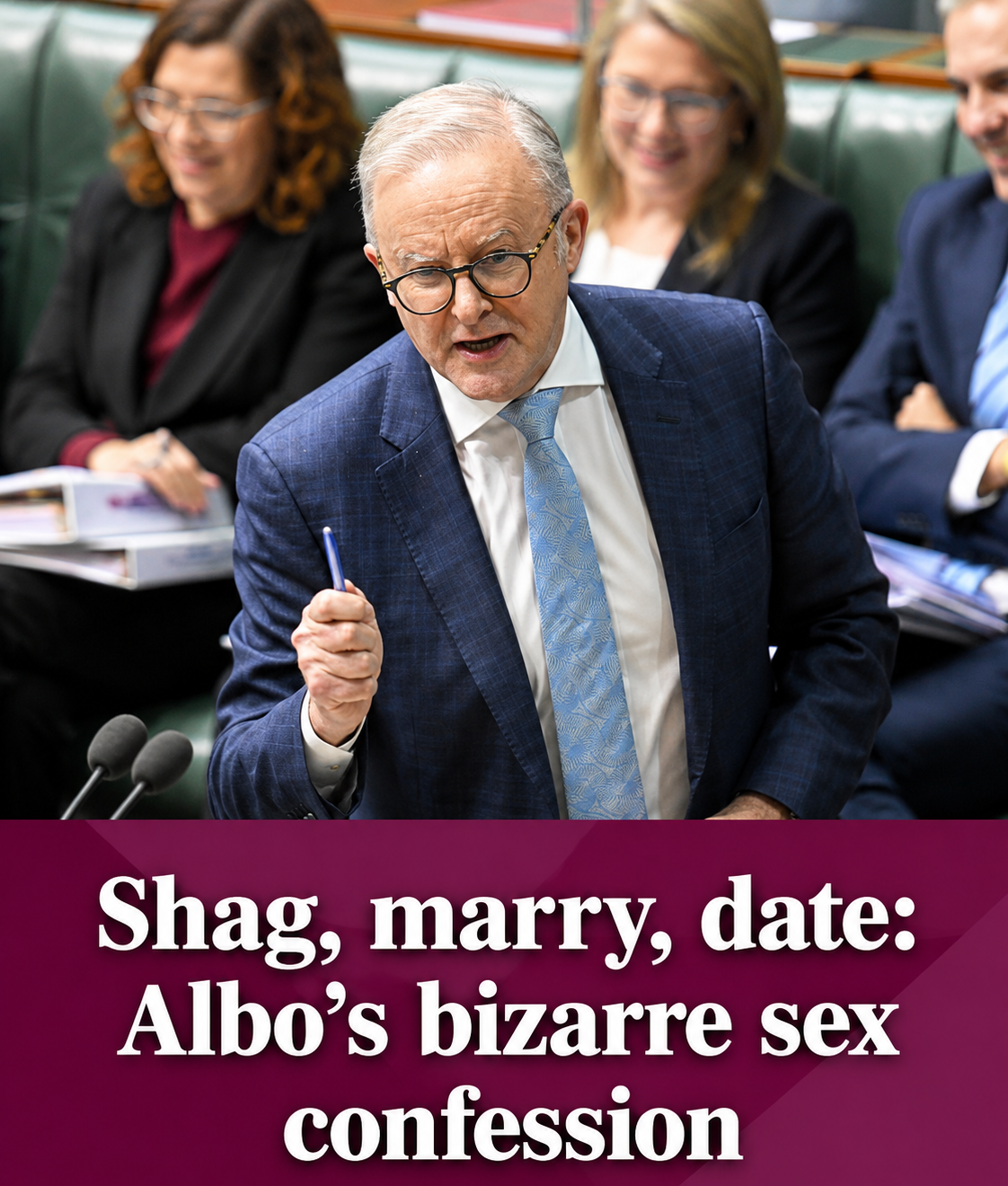
Media appearances by senior political leaders regularly attract attention because they offer opportunities for voters to assess communication style as well as policy priorities. Interviews conducted outside traditional political settings, including podcasts and long-form conversations, have become an increasingly common part of modern political campaigning and public engagement.
Government supporters argue that Labor’s policy agenda should be evaluated primarily on economic management, cost-of-living measures, housing initiatives and broader legislative outcomes rather than individual media moments. Opposition parties and political critics, meanwhile, often contend that public perception of leadership can influence voter confidence alongside policy performance.
Political scientists observe that leadership approval ratings and party voting intention are related but distinct measures. A leader’s personal popularity may rise or fall independently of support for their party, while polling results can fluctuate throughout an electoral cycle as public priorities evolve.
Current political debate continues to focus heavily on housing affordability, inflation, taxation, healthcare, energy policy and government spending. These issues remain central to discussions between the Government, Opposition and minor parties as they compete to persuade voters ahead of future elections.
Election experts generally recommend viewing individual polls within the context of longer-term trends rather than drawing conclusions from a single survey. Likewise, isolated media appearances rarely determine political outcomes on their own, with voter decisions typically shaped by a combination of leadership, policy, economic conditions and campaign performance over time.
As political debate continues, future polling and public engagement will provide additional insight into how Australians assess both the Government’s performance and the competing policy platforms offered by parties across the political spectrum.






