The local football community in Melbourne is mourning after 27-year-old Epping reserves footballer Nathan Fitzgerald suffered a catastrophic head injury during a suburban match, leaving family, teammates and supporters facing an unimaginable tragedy.
According to published reports, Fitzgerald collapsed following an on-field collision, prompting an immediate emergency response. Medical personnel and first responders reportedly performed cardiopulmonary resuscitation (CPR) for nearly an hour before he was transported to hospital, where surgeons carried out emergency brain surgery in an effort to save his life.
Despite the extensive efforts of emergency responders and hospital staff, the severity of Fitzgerald’s injuries proved overwhelming. Reports indicate he has since entered end-of-life care, with loved ones remaining by his side during an extraordinarily difficult time.
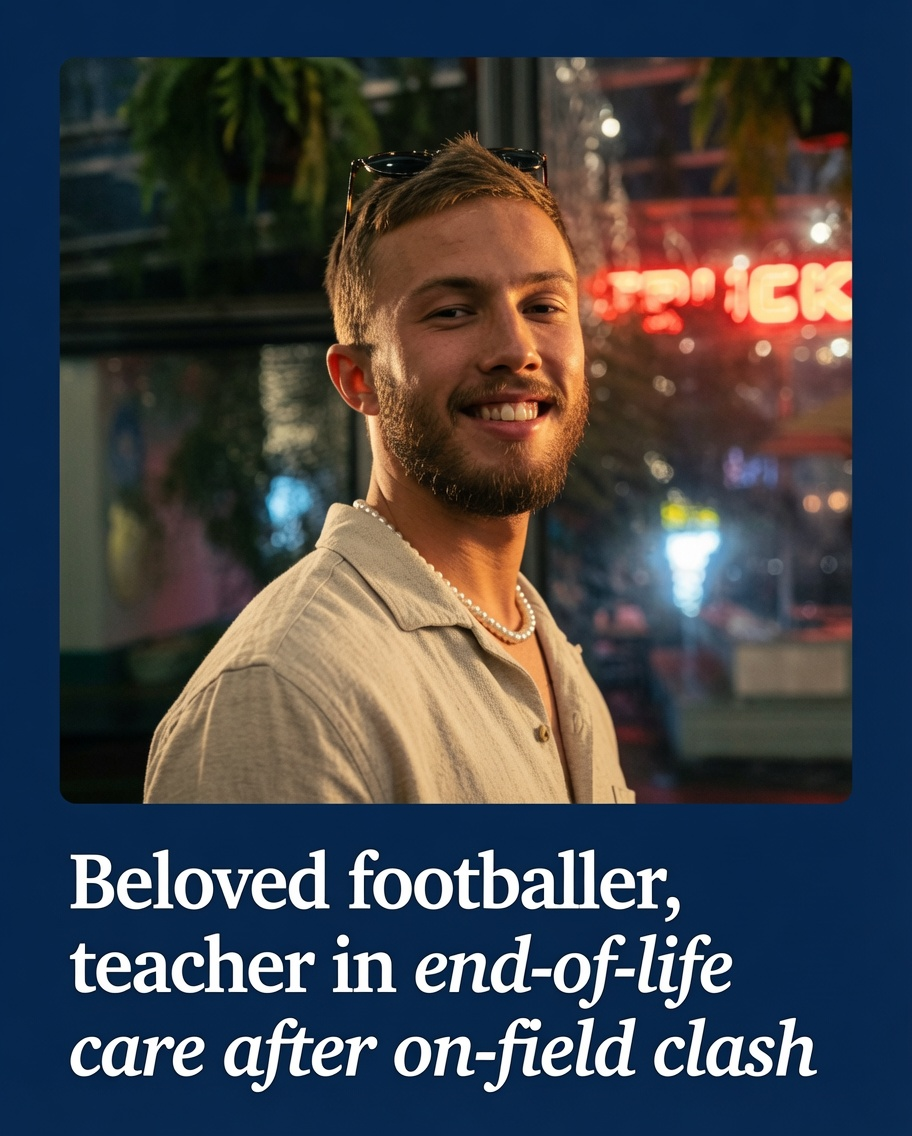
The incident has sent shockwaves throughout Melbourne’s local football community. Community sporting clubs often extend far beyond competition, bringing together players, families, volunteers and lifelong supporters. When a serious injury occurs, its impact is frequently felt well beyond the playing field.
Tributes have begun emerging from teammates, opponents and members of the wider football community, many describing Fitzgerald as a valued teammate and respected member of his club. Community organisations commonly rally around affected families following traumatic incidents, offering emotional support and practical assistance during periods of grief.
Medical experts note that severe head injuries remain among the most serious emergencies encountered in contact sports. Rapid assessment, immediate first aid and prompt access to advanced medical treatment are considered critical in improving outcomes, although even the best available care cannot prevent every tragedy.
Australian sporting organisations have introduced increasingly comprehensive concussion and head injury protocols in recent years. These measures include stricter assessment procedures, return-to-play guidelines, education programs and improved emergency planning designed to reduce the risk of serious injury across all levels of competition.
Sports medicine specialists also emphasise that catastrophic head injuries in community sport remain uncommon, but each incident serves as an important reminder of the value of trained medical responders, well-prepared clubs and continued investment in player safety initiatives.
As Fitzgerald’s family, friends and teammates continue to come to terms with the devastating events, many across the football community have expressed sympathy and support. The tragedy stands as a reminder of both the risks inherent in contact sport and the strength of community that often emerges when clubs unite to support one another during times of profound loss.






