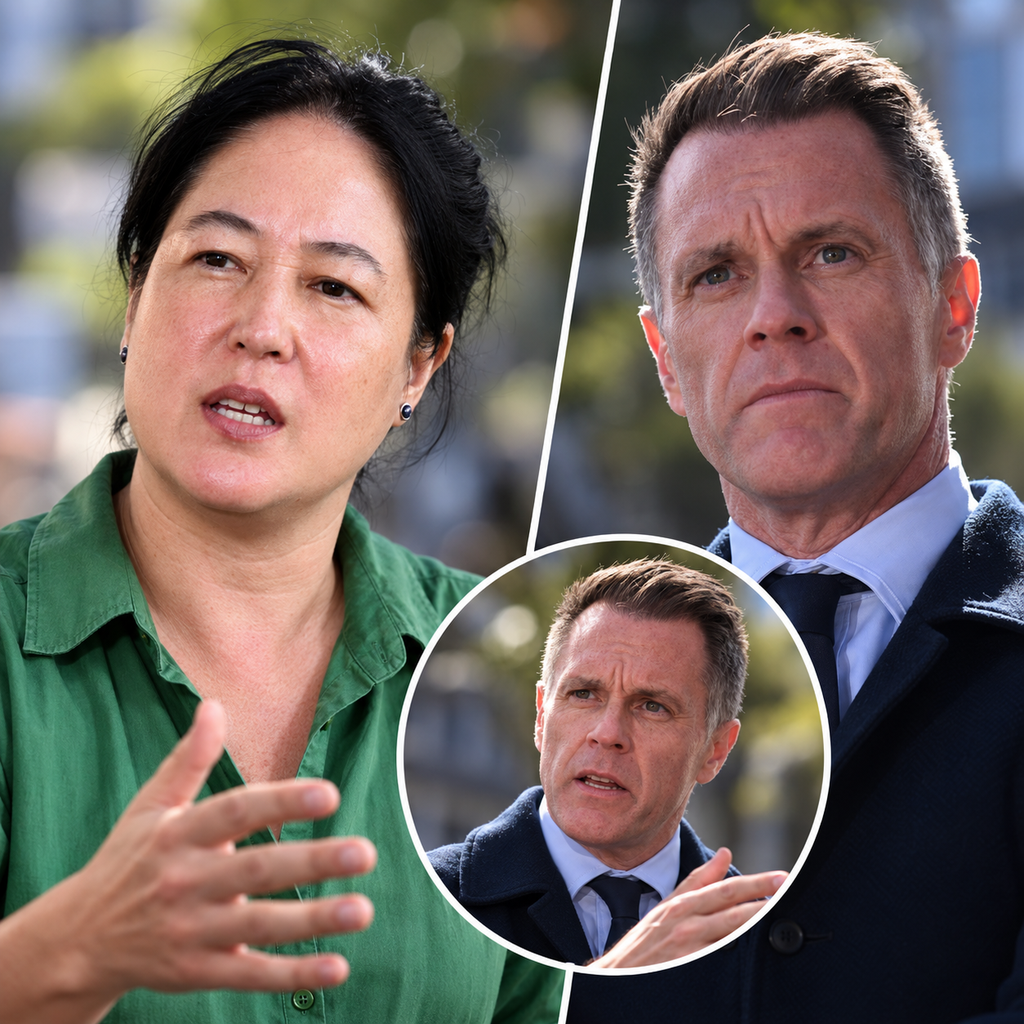
The argument over New South Wales rents has reached a clear dividing line in Parliament: Greens MP Jenny Leong wants the state to freeze rents temporarily and then restrict annual increases, while Premier Chris Minns says the government has already strengthened tenants’ rights and fears blanket caps could discourage the supply of rental housing. The two positions were put directly against one another in Question Time.
Leong asked whether Minns would work with the Greens to freeze and cap rents, citing rising costs and polling that she said showed strong public support for regulation. Minns acknowledged the pressure on renters and the appetite for action but defended his government’s existing reforms, including restrictions on rent increases and the abolition of no-grounds evictions. He argued that holding down rents through tighter price controls could worsen the shortage of available homes.
The Greens are now preparing legislation that would impose a 12-month rent freeze followed by a permanent cap of 2 per cent on annual increases. It would be misleading to present that as law. The bill has been announced for introduction, not passed or implemented. The gap between what the Greens want and what the government is prepared to support is the central story.
Housing is one of the state’s most immediate cost-of-living pressures. Rent is not a discretionary expense that a household can easily avoid, and a steep rise can force people to move further from work, change schools or cut other spending. For renters already sharing accommodation or commuting long distances, even a modest increase can have outsized consequences. That is the reality the Greens are invoking when they argue that new price controls are urgent.
Leong cited a 22 per cent increase in median NSW rents since Labor took office and a 25 per cent rise in public and social housing waiting lists. Those were figures she presented during her parliamentary question and repeated in party material. They should be attributed to that evidence and the Greens’ account, not treated as fresh independently audited findings within this article.
The Greens also point to polling from the Australia Institute suggesting substantial support for government intervention in rent-setting. The NSW figures cited in the party’s release include support for caps tied to inflation or below it, and a smaller group favouring a temporary freeze. The existence of support for some form of rent regulation does not mean every respondent supports the Greens’ particular bill. Minns highlighted that distinction in his reply, noting that people can support regulation while disagreeing about how it should operate.
Under the proposal, landlords would be barred from increasing rents for a year, then limited to 2 per cent increases annually. The Greens have also outlined provisions intended to give tenants access to reductions, stronger tenure arrangements and retrospective relief for certain rises. Those proposals raise technical questions: which leases would be covered, how exceptions might work and what enforcement would involve. None should be presented as an entitlement tenants can currently claim under the proposed law.
Rent freezes are appealing because their immediate objective is easy to understand. If a tenant’s rent cannot increase for a set period, that household has greater short-term certainty. A 2 per cent cap could also make future budgeting more predictable. The policy’s supporters argue that landlords and investors should not be able to impose unlimited increases on people who have few alternatives.
But the policy debate is not finished by establishing that lower rent increases would benefit an existing tenant. Opponents worry about how restrictions affect the stock of available homes. If investors expect returns to be constrained, some might sell, reduce maintenance or choose not to invest in the rental market. Whether those effects would occur, and to what extent, depends on the policy’s design, the wider market and how landlords respond. Such consequences should be tested rather than asserted as certainties.
Minns has emphasised planning reform and supply as key parts of his government’s response. His argument is that more homes available to buy or rent would reduce the competition pushing prices higher. He has pointed to measures to enable development and to reforms that make existing tenancies more secure. In Question Time, he said the government did not dismiss renter hardship even while disagreeing with the Greens’ preferred intervention.
The Premier listed several rental changes already introduced: restrictions on how often rent can rise, an end to no-grounds evictions, fee-free payment options and changes to how bonds can be transferred. He also pointed to protections around advertising, pet ownership and the privacy of prospective tenants. These are the government’s stated achievements and can be discussed separately from the Greens’ proposed price controls.
There is an important distinction between a limit on the *frequency* of rent increases and a limit on the *amount* of each increase. NSW has restricted how often landlords can increase rent, but that does not create the general 2 per cent ceiling the Greens are seeking. Renters may be protected against multiple increases in one year and still face a substantial single rise. That helps explain why Leong argues the government’s reforms have not solved the affordability problem.
Minns’s view is that additional regulation must be assessed against the need to expand supply. He has argued the rental market is large and difficult to manage, and that a policy that discourages available housing could ultimately hurt the very people it seeks to assist. He has also acknowledged that some residents are leaving the state because they cannot find a suitable or affordable home.
The Greens see waiting for planning reforms to filter through as inadequate for households facing rent increases now. Their proposed freeze is designed as immediate relief, while a permanent limit would attempt to stop future price shocks. That creates a contest over timing as well as economics: renters need help quickly, but building additional homes takes years. Neither observation by itself resolves the debate about controls.
Independent researchers and tenant advocates disagree over the likely consequences of rent caps. Some point to benefits for existing tenants and greater security; others warn that poorly designed systems can produce shortages, reduce mobility or favour sitting tenants over people trying to enter the market. Those issues require careful evidence from comparable markets and attention to how a NSW scheme would operate. Simply calling rent caps either a miracle or a disaster would overstate what is known.
The financial stakes for landlords are also varied. An owner with a small mortgage, a highly leveraged investor and a large institutional landlord can face different pressures. So can renters in Sydney, regional NSW and rapidly growing outer suburbs. Uniform policy language may conceal the diversity of circumstances affected. A credible legislative debate would consider compliance costs, exemptions, dispute resolution and the way any cap interacts with necessary repairs and property standards.
For prospective renters, housing supply matters as much as the price on an existing lease. A law that protects current tenants but leaves too few homes for newcomers would be incomplete. Equally, a supply strategy that promises future homes without easing current hardship may feel inadequate to someone facing a rent notice now. The challenge is to decide how the two objectives can be pursued together.
Leong has secured a direct parliamentary response from Minns and is putting a concrete bill before the political process. Minns is defending reforms already in place and arguing that further controls must not undermine supply. The two are not arguing over whether the cost of renting is a problem; they disagree about which policy tools would help most.
Until Parliament considers and passes new legislation, the proposed freeze and permanent 2 per cent cap remain proposals. The debate matters because it asks a question that will not disappear with a single speech: how much protection should existing renters receive, and what can government do to ensure the next household can find a home at all?
There is an additional question about how a cap would be monitored. Renters may fear retaliation if they challenge an increase, particularly when vacancies are scarce. A regulatory scheme needs accessible records, clear dispute resolution and protection against attempts to bypass limits through new lease terms or additional fees. Without workable enforcement, a statutory cap can be weaker in practice than its headline suggests.
Landlords also need predictable rules about genuine changes to a property. Major repairs, renovations or changes in included services can alter costs. A careful law would need to say when such changes justify an exception and who decides. Excessively broad exemptions can defeat a cap; excessively narrow rules can discourage maintenance. The Greens’ bill would face these questions during parliamentary scrutiny rather than being judged only by the proposed percentage.
Meanwhile, the state needs good public data to understand whether rental stress is improving. Median advertised rents, rents actually paid by continuing tenants, the number of available properties and the rate of homelessness measure different things. A single headline percentage cannot describe all of them. Comparing the outcomes of tenant protection and housing supply policies will require several measures over time.






