The Federal Government is expected to move ahead with legislation expanding Australia’s capital gains tax rules for certain foreign investors, extending the measures to include a broader range of mining, energy and infrastructure assets.
According to published reports, the proposal would broaden the application of Australia’s 30 per cent capital gains tax treatment for eligible foreign investors by capturing additional asset classes that have traditionally attracted significant international investment. The Government says the objective is to improve consistency across the tax system while ensuring Australian assets are taxed under a more comprehensive framework.
The proposed changes are expected to affect investments linked to major mining operations, energy projects and infrastructure assets. These sectors have historically relied on substantial domestic and international capital because of their large upfront development costs and long investment horizons.
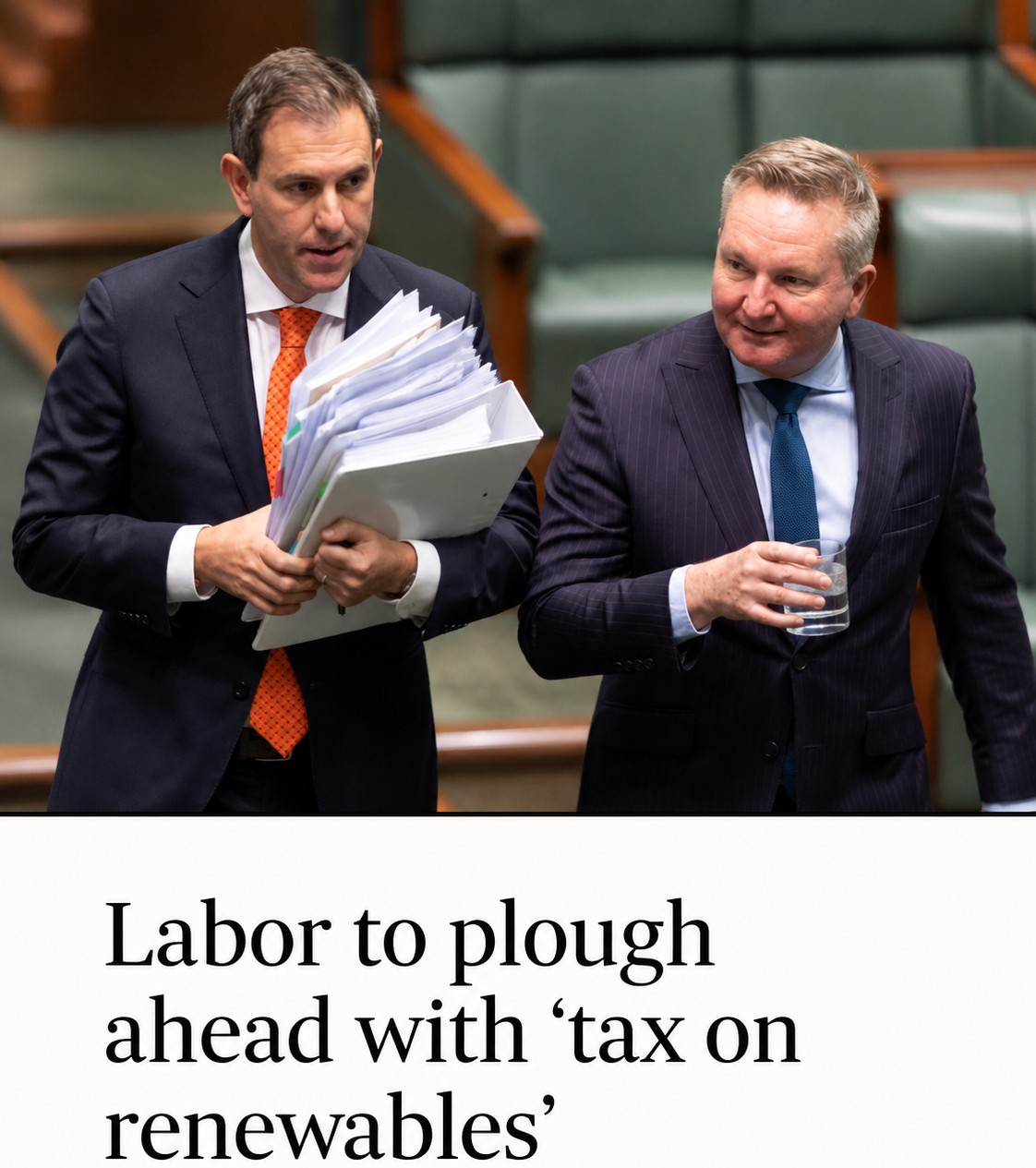
Government representatives have argued that the reforms are intended to strengthen the integrity of Australia’s taxation framework by ensuring similar types of assets receive more consistent tax treatment regardless of the sector in which they operate. Officials have also maintained that Australia remains committed to attracting productive foreign investment while balancing revenue and tax policy objectives.
Business organisations, investment advisers and infrastructure groups have expressed differing views on the proposal. Some industry participants argue broader tax obligations could influence investment decisions by increasing the after-tax cost of major projects, particularly in capital-intensive industries such as renewable energy, mining and transport infrastructure. Others note that taxation is only one factor considered by international investors alongside political stability, regulatory certainty, commodity demand and long-term economic prospects.
Economists generally observe that changes affecting investment taxation can have varying effects depending on market conditions and the design of the legislation. While higher taxation may reduce returns for some investors, the overall level of investment is also influenced by interest rates, expected project profitability, global capital markets and Australia’s broader economic environment.
The proposal comes as Australia continues pursuing significant investment across energy transition projects, critical minerals, electricity transmission and large-scale infrastructure. Policymakers face the challenge of balancing revenue collection with maintaining a competitive environment for long-term investment that supports economic growth and employment.
At this stage, the reported changes remain part of the Government’s proposed legislative agenda. The final scope, implementation details and practical impact will depend on legislation considered by Parliament and any accompanying regulatory guidance issued as the reforms progress.
As debate continues, governments, investors and industry groups are expected to closely examine how the revised tax framework could affect future investment decisions across Australia’s resource, energy and infrastructure sectors while maintaining confidence in the country’s investment environment.






