The Albanese Government has moved to unwind one of the most controversial unintended consequences of its recent tax reforms, releasing draft legislation designed to eliminate the so-called “widow tax” after sustained political pressure and widespread public criticism.
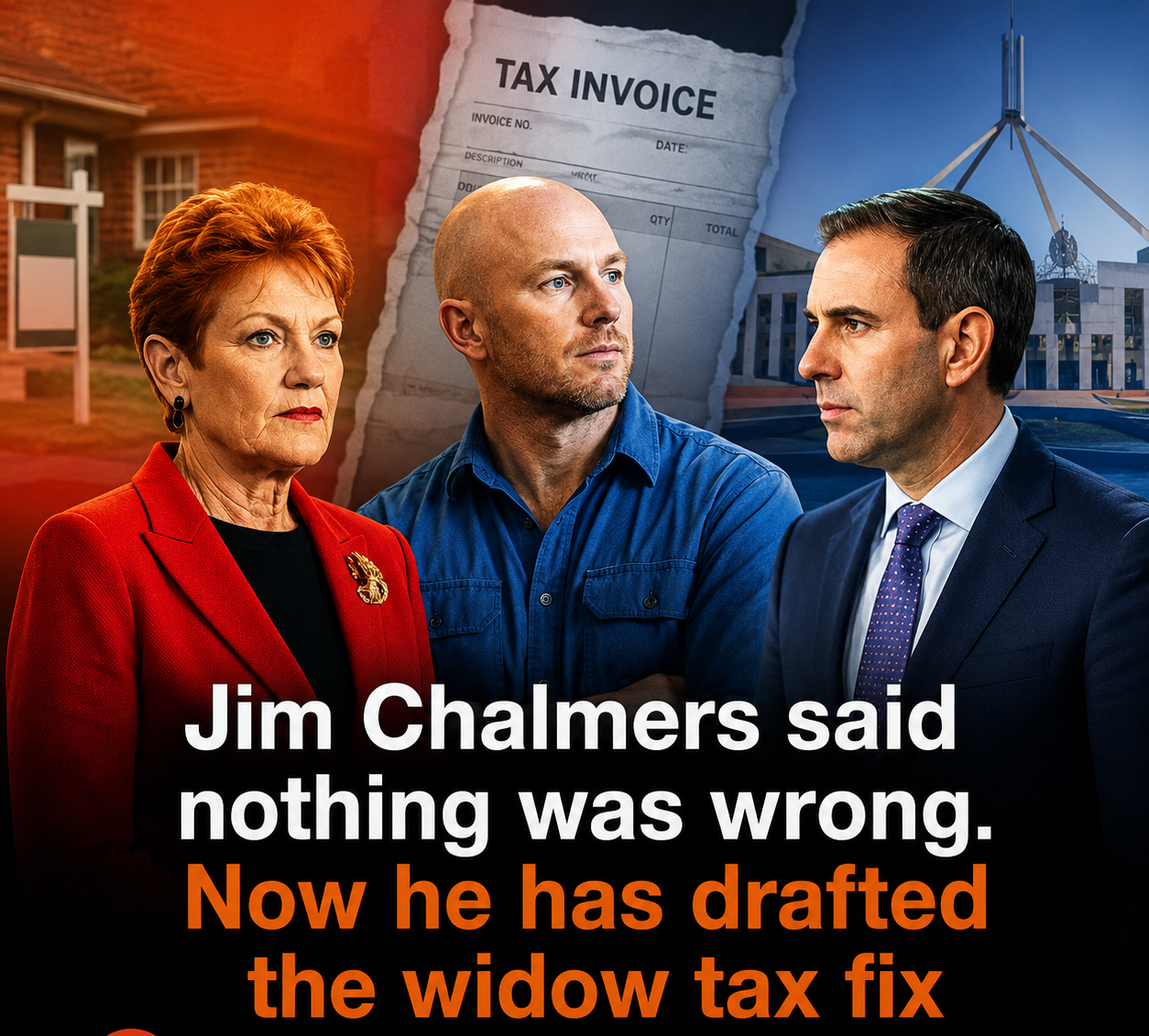
Treasurer Jim Chalmers released the exposure draft after days of mounting criticism from crossbench senators, the Coalition, One Nation, tax professionals and Australians who argued the government’s proposed negative gearing reforms had unintentionally penalised widows, widowers, divorcees and some victims of domestic violence.
The controversy emerged following Labor’s broader housing and tax reform package announced in the 2026 Federal Budget.
Under the proposed changes, negative gearing would generally be limited to newly built residential properties purchased after 1 July 2027, while existing investments would continue to be grandfathered under current rules.
However, tax experts soon identified an unintended consequence.
If ownership of a grandfathered investment property changed because of the death of a spouse, a relationship breakdown or certain family law settlements, the surviving owner could lose access to existing negative gearing arrangements even though the property itself had not changed.
Critics quickly labelled the outcome the “widow tax”, arguing it unfairly penalised Australians during some of the most difficult periods of their lives.
Among the most prominent voices raising concerns were independent Senator David Pocock and One Nation leader Pauline Hanson.
Pocock warned the drafting created serious unintended consequences for widows and domestic violence survivors, while Hanson accused the government of ignoring obvious flaws in the legislation.
The Coalition also called on Labor to urgently correct the problem.
The issue became politically significant because government ministers had initially defended the proposed arrangements.
Finance Minister Katy Gallagher previously described the provisions as “reasonable arrangements”, while Assistant Minister Andrew Leigh indicated the government was not planning changes at that stage.
A parliamentary attempt to amend the legislation earlier was unsuccessful after Labor and the Greens voted against the proposal. Those earlier parliamentary debates became a focal point of criticism once the government later acknowledged that legislative changes were necessary.
Following growing public backlash, Treasury released draft amendments intended to preserve negative gearing eligibility where investment properties are transferred because of death, divorce or certain family law outcomes.
The exposure draft would ensure eligible taxpayers are not disadvantaged simply because ownership changes through circumstances beyond their control rather than through a commercial property transaction.
The government says the draft legislation is intended to ensure the policy operates as originally intended while maintaining the broader objective of directing future tax incentives towards increasing new housing supply.
It has also proposed extending the qualifying period for some newly constructed properties, another change designed to reduce unintended impacts identified during consultation.
Although the release of the draft has been welcomed by many affected groups, the issue has not yet been resolved.
The legislation is currently undergoing public consultation, which remains open until 21 August.
Parliament is scheduled to rise on 20 August, meaning the proposal cannot pass before the current sitting period concludes unless parliamentary arrangements change.
The next scheduled sitting period begins on 7 September.
That timetable has prompted continued pressure from senators seeking an earlier legislative resolution.
David Pocock has urged the government to move quickly, arguing that Australians affected by the drafting flaw should not be left in uncertainty for several more weeks.
Pauline Hanson has publicly backed Pocock’s efforts despite frequent political disagreements between the two senators.
“David Pocock and I don’t always agree, but he has been dead right on this,” Hanson said.
According to reports, Pocock, One Nation, the Coalition and potentially other crossbench senators are expected to continue pressing the government to accelerate the legislative timetable when Parliament next considers the reforms.
Whether those efforts succeed will depend on negotiations with the government and parliamentary scheduling rather than the draft legislation itself.
The dispute has also reignited broader debate over the government’s wider package of tax reforms.
Labor argues its changes are designed to improve housing affordability by redirecting tax concessions towards newly built homes while modernising capital gains tax arrangements and trust taxation.
The government says these reforms are intended to encourage additional housing supply, improve fairness and support long-term budget sustainability.
Opponents, however, argue that the package remains highly complex and continues to produce unintended consequences despite the latest amendments.
Property groups, financial advisers and tax professionals have warned that uncertainty surrounding the final legislation is already influencing investment decisions, with some investors delaying purchases until the reforms are settled.
The widow tax controversy has become one of the most politically sensitive aspects of Labor’s broader tax agenda because it highlights how technical drafting changes can have significant consequences for ordinary Australians.
It has also demonstrated the influence that coordinated public campaigning, professional feedback and crossbench pressure can have on the legislative process.
Although the government maintains the broader direction of its housing tax reforms remains unchanged, the decision to release corrective legislation represents a significant acknowledgement that parts of the original drafting required revision.
For affected families, the immediate outcome is encouraging but incomplete.
The proposed protections still need to complete consultation, be introduced into Parliament and secure passage through both houses before becoming law.
Until that process concludes, the government’s proposed fix remains a draft rather than an enacted legislative change.
As Parliament prepares for its next sitting period, debate is likely to focus not on whether the drafting error should be corrected—an issue on which broad political agreement has emerged—but on how quickly the amended legislation can be passed and implemented.