Australia’s housing market recorded its largest monthly decline in home values since late 2022 during June, marking the first complete month of property data following the Federal Government’s announcement of significant housing and taxation reforms.
The latest figures have attracted widespread attention because they provide the earliest broad indication of how the residential property market is performing after the Government unveiled major policy changes affecting housing, investment and taxation. While the timing has prompted political debate, economists caution that property markets are influenced by numerous factors operating at the same time.
According to the June data, national dwelling values declined by approximately 0.4 per cent during the month, with Sydney and Melbourne recording the largest falls among Australia’s capital cities. Auction clearance rates also softened, while lending activity and buyer demand remained more subdued than during previous periods of strong market growth.
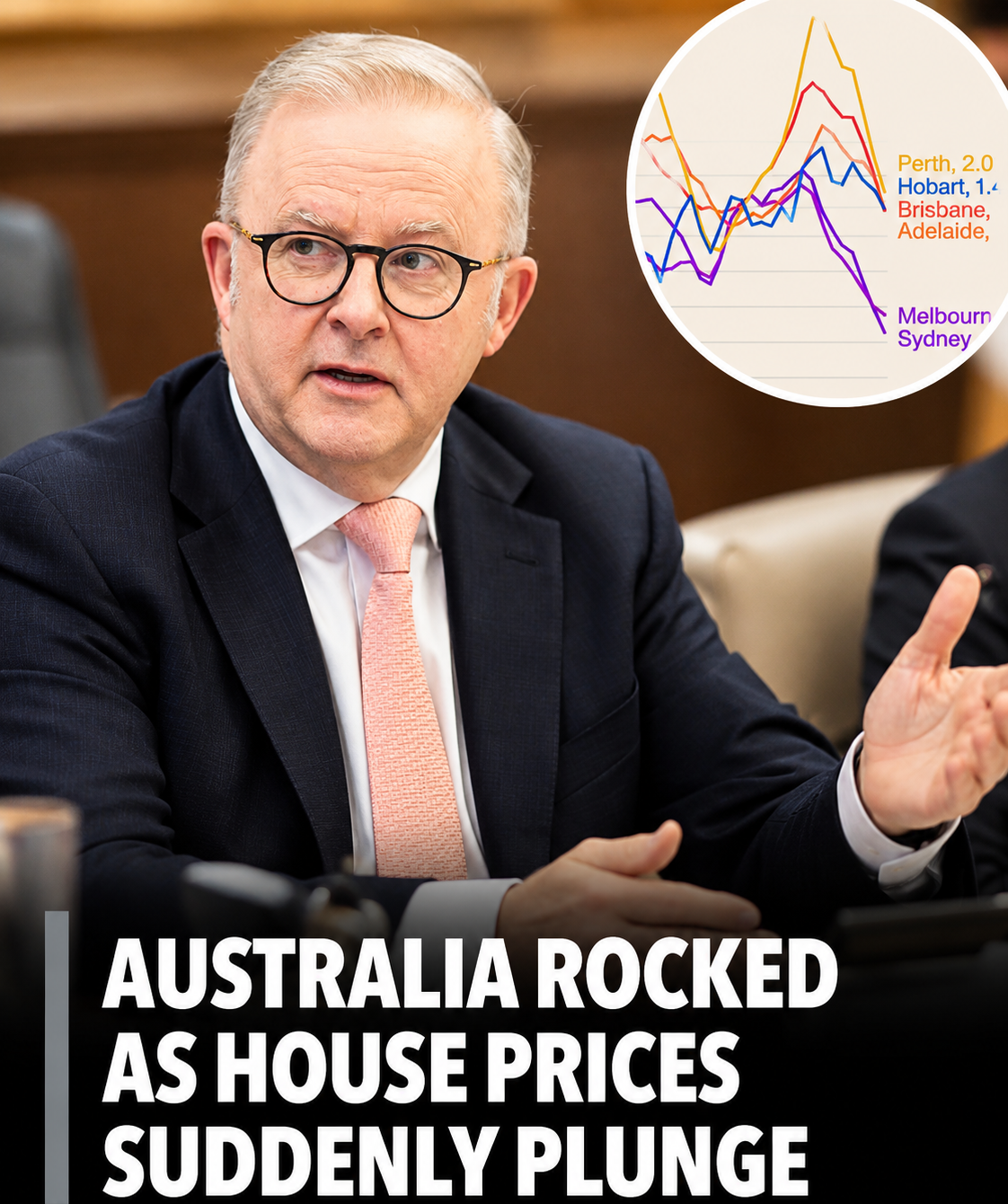
The Federal Government has defended its housing agenda, arguing that the objective of its reforms is to improve long-term housing affordability, increase supply and help more Australians, particularly first-home buyers, gain access to the property market. Prime Minister Anthony Albanese has previously said that slower price growth can improve opportunities for prospective buyers who have struggled with rapidly rising housing costs.
Some economists, property industry representatives and opposition politicians have questioned whether recent taxation changes and investor uncertainty may be contributing to weaker market sentiment. They argue that policy settings, combined with higher borrowing costs, may have encouraged some investors and buyers to delay purchasing decisions while assessing the changing environment.
Housing specialists emphasise that Australia’s residential property market responds to a combination of influences rather than any single government measure. Interest rates, mortgage affordability, employment conditions, migration, housing supply, construction activity and consumer confidence all affect property prices and market activity over time.
For many prospective buyers, lower property prices may improve affordability. However, financial advisers note that elevated mortgage interest rates continue to affect borrowing capacity and monthly repayments, meaning overall affordability depends on both property values and financing costs.
Industry analysts expect housing market conditions to remain under close observation over coming months as additional data becomes available. Future movements are likely to depend on monetary policy, economic growth, population trends, housing supply and the response of both owner-occupiers and investors to evolving market conditions.
While June’s figures represent an important snapshot of Australia’s housing market, economists generally caution against drawing firm conclusions from a single month’s data. Additional releases over the coming months are expected to provide a clearer picture of whether the recent decline reflects a temporary adjustment or the beginning of a more sustained shift in market conditions.






