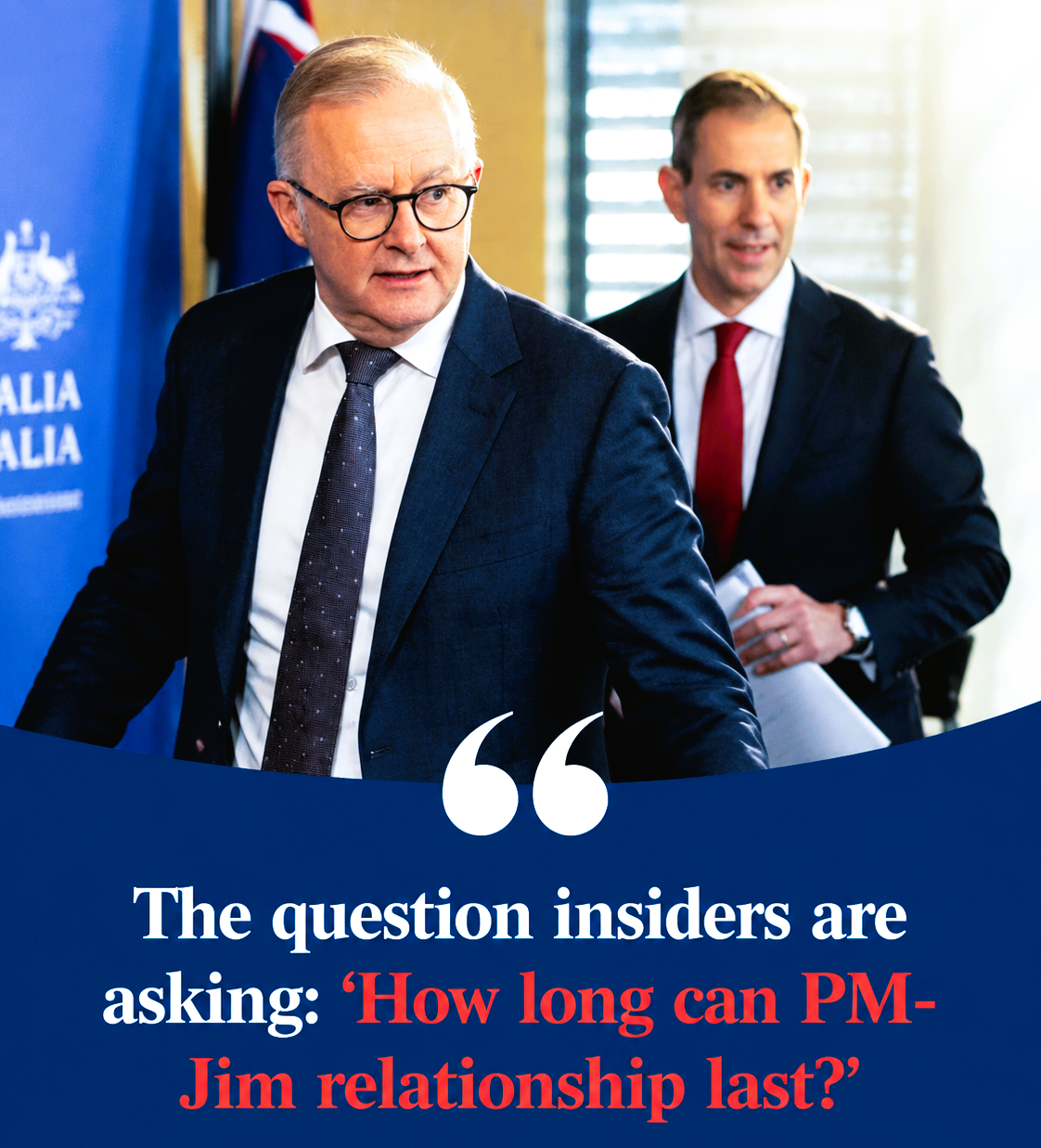
Treasurer Jim Chalmers is facing renewed scrutiny after prominent business leaders and political figures reportedly described him as an increasingly diminished force within the Albanese government.
The criticism comes at a sensitive moment for the government, following recent budget adjustments that have sparked ongoing debate about Labor’s economic direction.
While the Treasurer remains central to Australia’s fiscal policy, questions are now being raised about how much internal influence he continues to hold during a period of political and economic pressure.
The latest wave of criticism is linked to perceptions among some business leaders that the government’s budget backdown has exposed inconsistency in economic decision-making.
They argue that shifting positions on tax and spending policy can create uncertainty for investors, particularly at a time when inflation, housing costs and household budgets remain key concerns.
However, supporters of the Treasurer reject the idea that his influence is weakening.
They argue that adapting policy in response to feedback is a normal part of government decision-making and reflects responsiveness rather than instability.
The debate highlights a broader tension inside Australian politics between economic discipline and political flexibility.
On one side are voices calling for stronger fiscal consistency and clearer long-term planning.
On the other are those who believe governments must adjust policies quickly when faced with public or industry backlash.
Jim Chalmers has been a central figure in shaping Labor’s economic narrative, particularly around cost-of-living relief, wage growth and inflation management.
His role as Treasurer places him at the centre of some of the most politically sensitive issues facing the government.
That makes any perception of declining influence particularly significant in the broader political context.
Recent months have seen increased scrutiny of Labor’s economic strategy, with critics focusing on how policy changes are communicated and implemented.
Business groups in particular have expressed concern about uncertainty in investment conditions, arguing that predictable policy settings are essential for economic stability.
At the same time, households continue to face pressure from rising costs, making cost-of-living relief a key political priority.
This dual pressure has left the Treasurer navigating competing demands from industry, voters and political colleagues.
Within the government, maintaining cohesion on economic policy is seen as critical to sustaining public confidence.
Opposition figures have used the debate to question the government’s broader economic credibility, arguing that internal disagreements are becoming more visible.
Labor, meanwhile, insists its economic approach remains stable and focused on long-term outcomes.
The situation underscores the challenges facing any Treasurer operating in a high-pressure political environment.
Economic decisions are rarely isolated from political consequences, and even minor policy adjustments can quickly become focal points for broader leadership speculation.
For Chalmers, the immediate challenge is maintaining authority over economic messaging while managing competing expectations from different stakeholders.
Whether the criticism signals a temporary political moment or a deeper shift in influence within the government remains unclear.
What is evident is that the debate over his role has now become part of a wider conversation about Labor’s economic direction and internal dynamics.
As economic conditions continue to shape political debate in Australia, scrutiny of senior figures like the Treasurer is likely to remain intense.






