A fresh political exchange has drawn attention after Liberal Senator Jacinta Nampijinpa Price criticised One Nation leader Pauline Hanson over discussion surrounding the possible future political role of Hanson’s daughter, Lee Hanson.
According to published reports, Price questioned whether the situation reflected an attempt to build what she described as a political “family dynasty.” She argued that parliamentary candidates should be chosen primarily on merit and public support rather than family connections. The remarks represent Price’s personal political opinion during an ongoing public debate.
The discussion follows speculation about Lee Hanson’s future involvement in federal politics through One Nation. Pauline Hanson has previously defended her daughter’s participation in political activities, stating that any future candidacy would be subject to the party’s established endorsement and selection processes rather than automatic appointment.
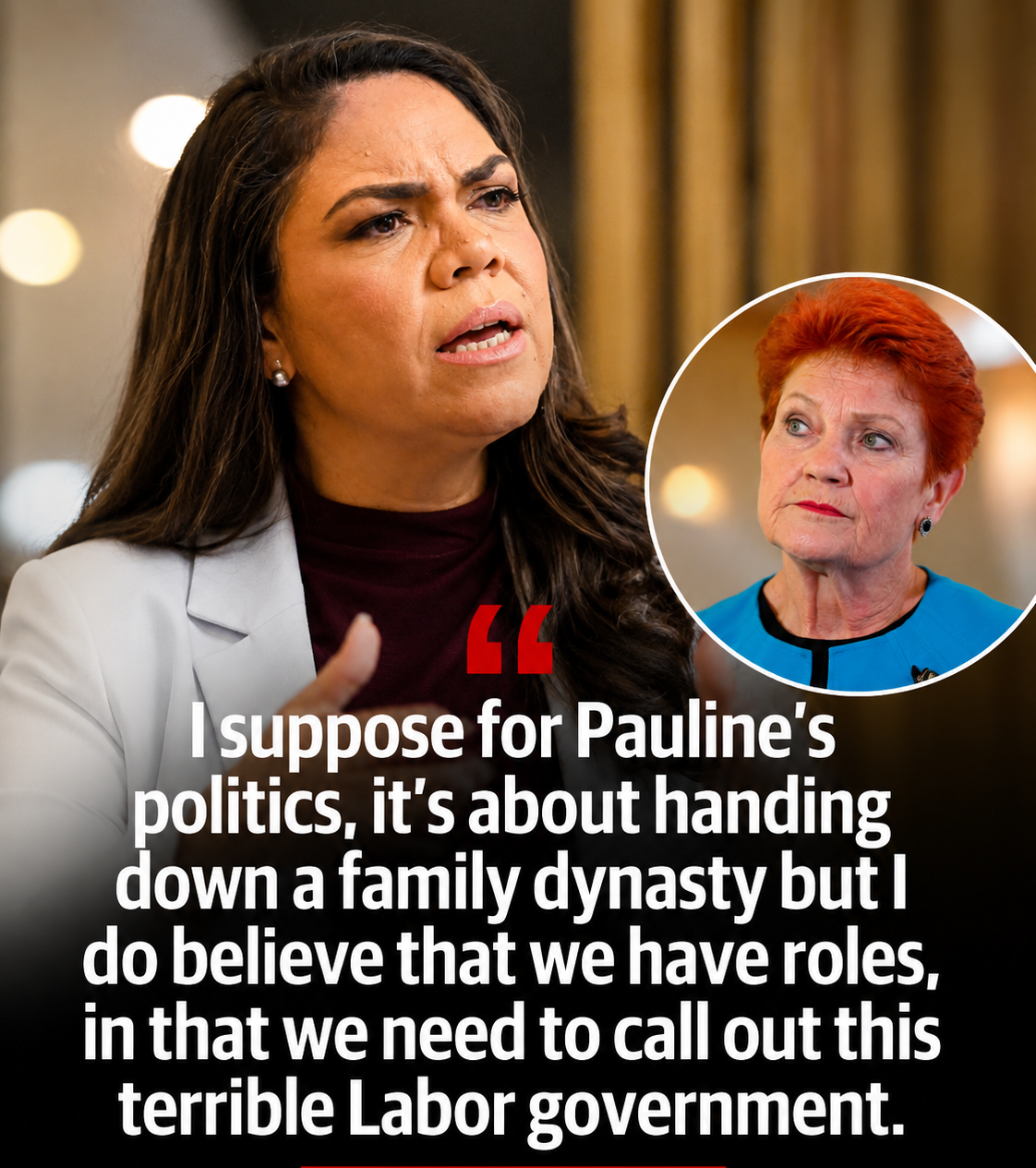
The exchange reflects broader questions about leadership succession and candidate selection within Australian political parties. While family members of established politicians have entered politics on numerous occasions across different parties, each prospective candidate is generally required to satisfy the relevant party’s nomination and endorsement procedures.
Political analysts note that debates about political families are not unique to Australia. Around the world, relatives of current or former politicians have frequently sought elected office, prompting ongoing discussion about the balance between public recognition, political experience and merit-based selection.
Supporters of family members entering politics often argue that candidates should be judged on their individual qualifications, policy positions and ability to represent voters rather than their surname alone. Critics, however, contend that parties should be mindful of public perceptions regarding internal succession and equal opportunities for prospective candidates.
At this stage, the public discussion remains focused on political commentary rather than any confirmed parliamentary appointment. No official announcement has been made confirming Lee Hanson as a future parliamentary candidate, and any endorsement would depend on the party’s internal processes and electoral decisions.
The differing views expressed by Price and Hanson illustrate the robust debate that often accompanies candidate selection in Australian politics. As parties continue preparing for future elections, questions about leadership, succession and representation are likely to remain topics of public interest.
Ultimately, decisions about political candidates rest with party processes and, where endorsed, with voters at election time. Until any formal candidacy is confirmed, the current discussion remains part of the broader political debate rather than a settled outcome.






