Victorian Premier Jacinta Allan has defended Prime Minister Anthony Albanese following criticism over comments he made during a podcast interview, while another woman mentioned during the discussion has publicly distanced herself from the controversy.
According to published reports, Allan described the exchange as a light-hearted moment and expressed support for the Prime Minister after he apologised for his remarks. At the same time, another woman who became part of the discussion responded publicly, criticising the situation and making clear she did not welcome being drawn into the debate.
The controversy began after Albanese participated in a podcast interview that featured a “shag, marry or date” segment involving Australian entertainer Kylie Minogue. The Prime Minister’s response attracted criticism from political opponents, commentators and some public figures, leading him to issue an unequivocal public apology in which he acknowledged that his comments were inappropriate.
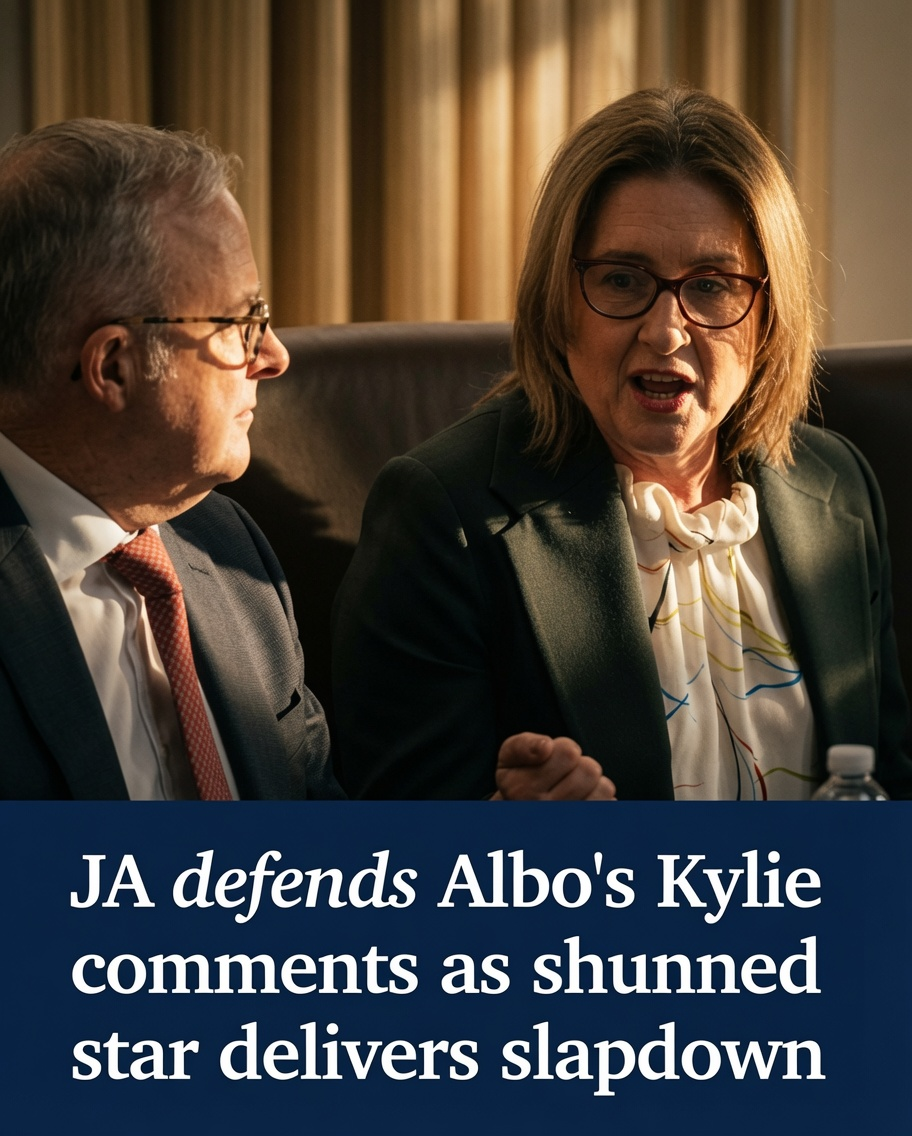
Since then, political leaders and commentators have expressed differing opinions about the incident. Some have argued that the comments should be viewed within the context of an informal entertainment-style interview, while others contend that elected leaders are expected to maintain the same professional standards regardless of the setting.
Political communication specialists note that informal media appearances have become an increasingly important way for leaders to engage with voters. Podcasts, online programs and social media interviews often encourage more relaxed conversations than traditional press conferences, but they also increase the possibility that spontaneous remarks will attract significant public attention.
Media analysts observe that public controversies frequently evolve beyond the original event as political figures, advocacy groups and commentators offer competing interpretations. As a result, discussions often expand to include broader questions about leadership, accountability, political culture and public expectations rather than focusing solely on the original comments.
Public apologies remain a common feature of modern political life when controversial remarks generate widespread criticism. Analysts note that while apologies may address immediate concerns, broader public debate often continues regarding leadership standards and the responsibilities associated with high public office.
The Albanese Government has continued advancing its policy agenda across housing affordability, taxation, healthcare, energy and cost-of-living measures. Nevertheless, the podcast interview has remained part of Australia’s wider political conversation, illustrating how media appearances can shape public discussion alongside substantive policy issues.
As political leaders increasingly communicate through podcasts and other digital platforms, scrutiny of informal interviews is expected to remain high. The episode highlights the challenges public figures face in balancing conversational engagement with the expectations that accompany national leadership.






