Australia’s housing market has become the focus of renewed economic debate after reports suggested a sharp slowdown in investor loan applications, prompting discussion about the outlook for property prices, investment activity and broader economic growth.
According to published reports, the latest lending data indicates investor borrowing has weakened, raising questions about whether the residential property market is cooling more rapidly than anticipated. Analysts say lending activity is often viewed as an important indicator of future housing demand because changes in borrowing can influence purchasing activity over time.
The report also discusses concerns that recent Federal Budget taxation reforms may influence investor behaviour. Some property industry representatives and market commentators argue that changes affecting investment taxation could reduce demand from some investors, while others note that the long-term effects will depend on how households, lenders and businesses respond as the policy changes are implemented.
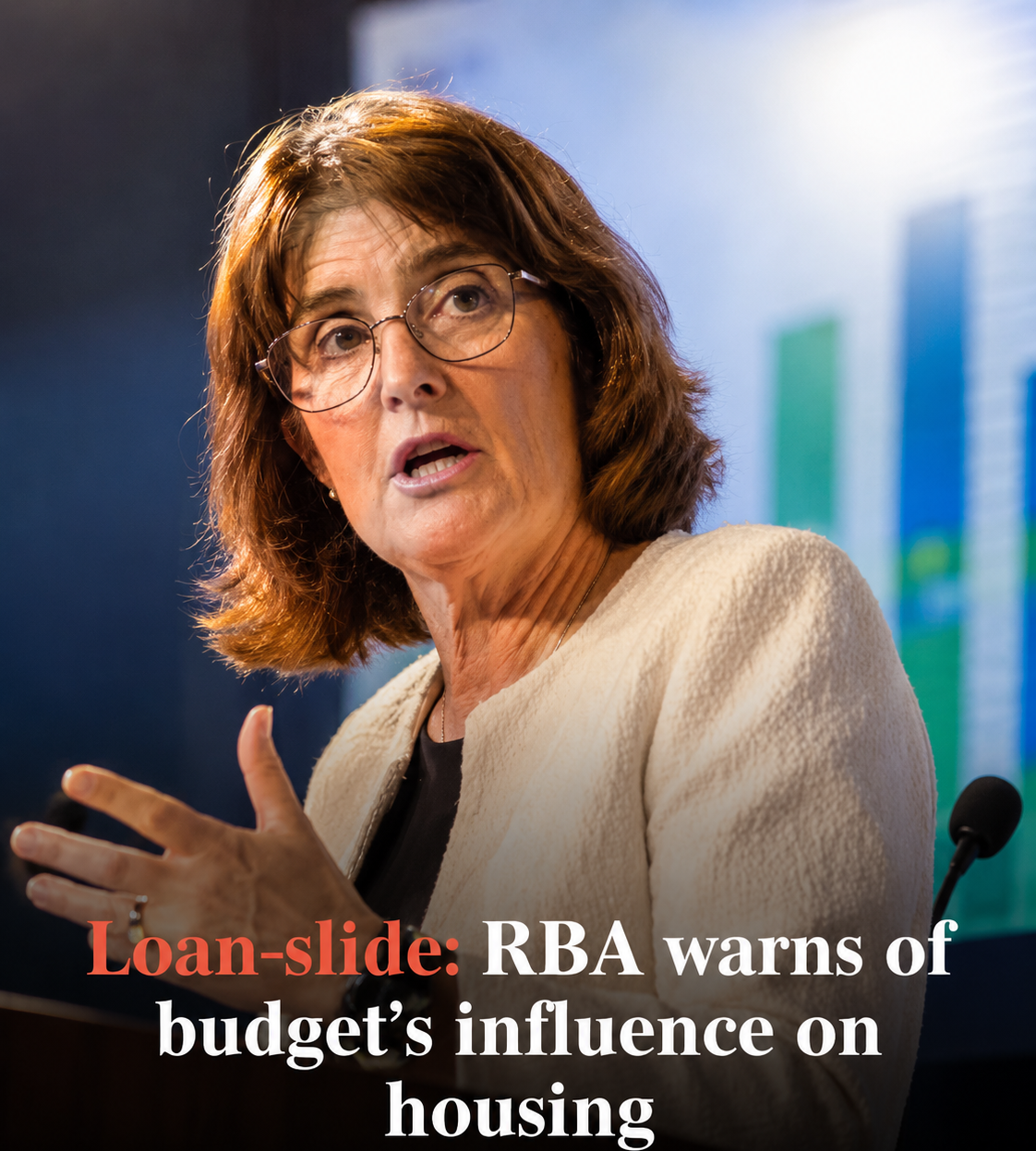
The Albanese Government has consistently defended its housing and taxation reforms, stating that the measures are intended to improve housing affordability, strengthen the integrity of the tax system and support long-term economic sustainability. Government ministers have argued that creating a more accessible housing market requires structural reform rather than relying on continuously rising property prices.
Housing economists caution that Australia’s residential property market is shaped by multiple economic forces operating simultaneously. Interest rates, mortgage borrowing costs, housing supply, construction activity, migration, employment conditions, household incomes and consumer confidence all play significant roles in determining lending activity and property values. For that reason, analysts generally advise against attributing changes in market conditions to a single policy decision.
Financial institutions and policymakers continue monitoring lending trends because housing plays an important role in Australia’s broader economy. Slower property activity can affect residential construction, household spending, lending volumes and related industries, although the overall economic impact depends on the duration and scale of any market slowdown.
Some economists note that softer housing conditions may improve affordability for prospective home buyers if price growth moderates, while others point out that reduced investment could affect future housing supply and rental availability. These differing perspectives continue to shape debate over the balance between affordability, investment incentives and economic stability.
As additional economic data becomes available in the coming months, policymakers, financial institutions and property market participants will continue assessing whether recent lending figures represent a temporary adjustment or the beginning of a more sustained change in housing market conditions.
While the latest lending figures have intensified discussion about Australia’s property outlook, future market performance will ultimately depend on a combination of monetary policy, fiscal policy, housing supply, demographic trends and overall economic confidence rather than any single indicator alone.






