How Should Governments Balance Efficiency With Human Impact?
Every government promises to spend public money wisely.
Taxpayers expect efficiency.
Transparency.
Accountability.
Value for money.
Yet every attempt to reduce government spending eventually encounters the same difficult question.
What happens to the people affected by those decisions?
Recent debate surrounding Elon Musk and the continuing discussion over government spending reductions has once again highlighted one of the most enduring challenges in public administration: how to improve efficiency while minimising unintended consequences for communities and public services.
The issue extends well beyond any individual personality.
Governments around the world regularly review spending programs.
Departments are restructured.
Budgets are reduced.
Projects are cancelled.
Workforces are reorganised.
These decisions are usually justified on the grounds of improving efficiency or strengthening long-term fiscal sustainability.
Supporters of spending restraint argue that governments have a responsibility to manage taxpayer funds carefully.
Reducing waste.
Improving productivity.
Eliminating duplication.
Modernising public administration.
These objectives can strengthen public finances and create resources for future priorities.
Critics focus on another dimension.
Behind every budget line are real people.
Public servants.
Families.
Communities.
Service users.
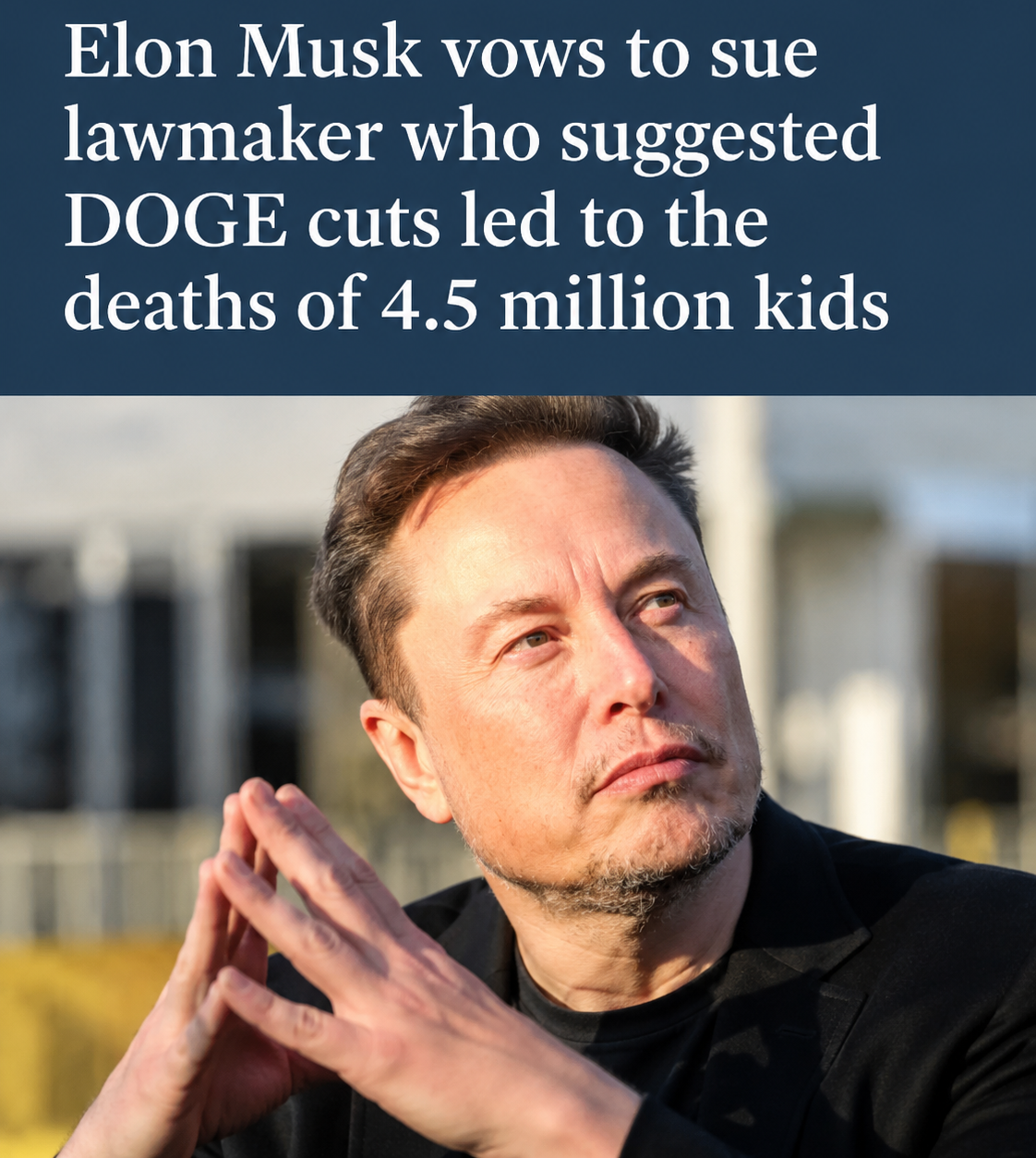
Changes that appear efficient on paper may produce broader social consequences that are more difficult to measure.
This tension is one of the defining features of modern public policy.
Financial savings can often be calculated precisely.
The long-term effects on communities, public confidence or service delivery are frequently more complex.
That is why major government reforms rarely generate unanimous support.
Another challenge concerns implementation.
Large organisations are inherently complicated.
Changing established systems requires careful planning, clear communication and ongoing evaluation.
Even reforms with broad policy support may produce unexpected outcomes if implementation proves more difficult than anticipated.
Public debate therefore tends to focus not only on whether reforms are necessary but also on how they are carried out.
Legal disputes sometimes become part of that process.
When significant organisational changes affect multiple stakeholders, disagreements over process, accountability or responsibility may eventually reach the courts.
Such disputes are not unusual during periods of major institutional change.
They reflect the fact that government decisions often involve competing legal, financial and public interests.
Modern democracies also face growing expectations for transparency.
Citizens increasingly expect governments to explain not only how much money will be saved but also how reforms may affect the delivery of essential services.
Fiscal responsibility and public accountability are increasingly viewed as complementary rather than competing objectives.
Technology has added another dimension.
Digital systems, automation and data analysis provide governments with new opportunities to improve efficiency.
At the same time, these tools raise fresh questions about workforce transitions, privacy, oversight and equitable access to public services.
As governments continue modernising, these issues are likely to become even more significant.
Ultimately, debates over public spending are rarely confined to accounting alone.
They concern priorities.
Values.
Public expectations.
Long-term national objectives.
Reasonable people may disagree about the appropriate balance between efficiency and investment.
Some place greater emphasis on reducing expenditure.
Others prioritise maintaining public services.
Most recognise that effective governments must pursue both goals simultaneously.
That may be the greatest challenge of all.
Creating institutions that spend public money responsibly while continuing to serve the people who depend upon them.
As future reforms continue to emerge around the world, that balance will remain one of the central questions shaping public policy for years to come.






