How Democracies Confront Political Extremism Before It Turns Violent
Most political disagreements never move beyond words.
People debate.
They protest.
They vote.
They campaign.
That is how democratic societies are designed to resolve competing ideas.
Problems arise when individuals decide that political violence is a substitute for political participation.
At that point, the debate changes completely.
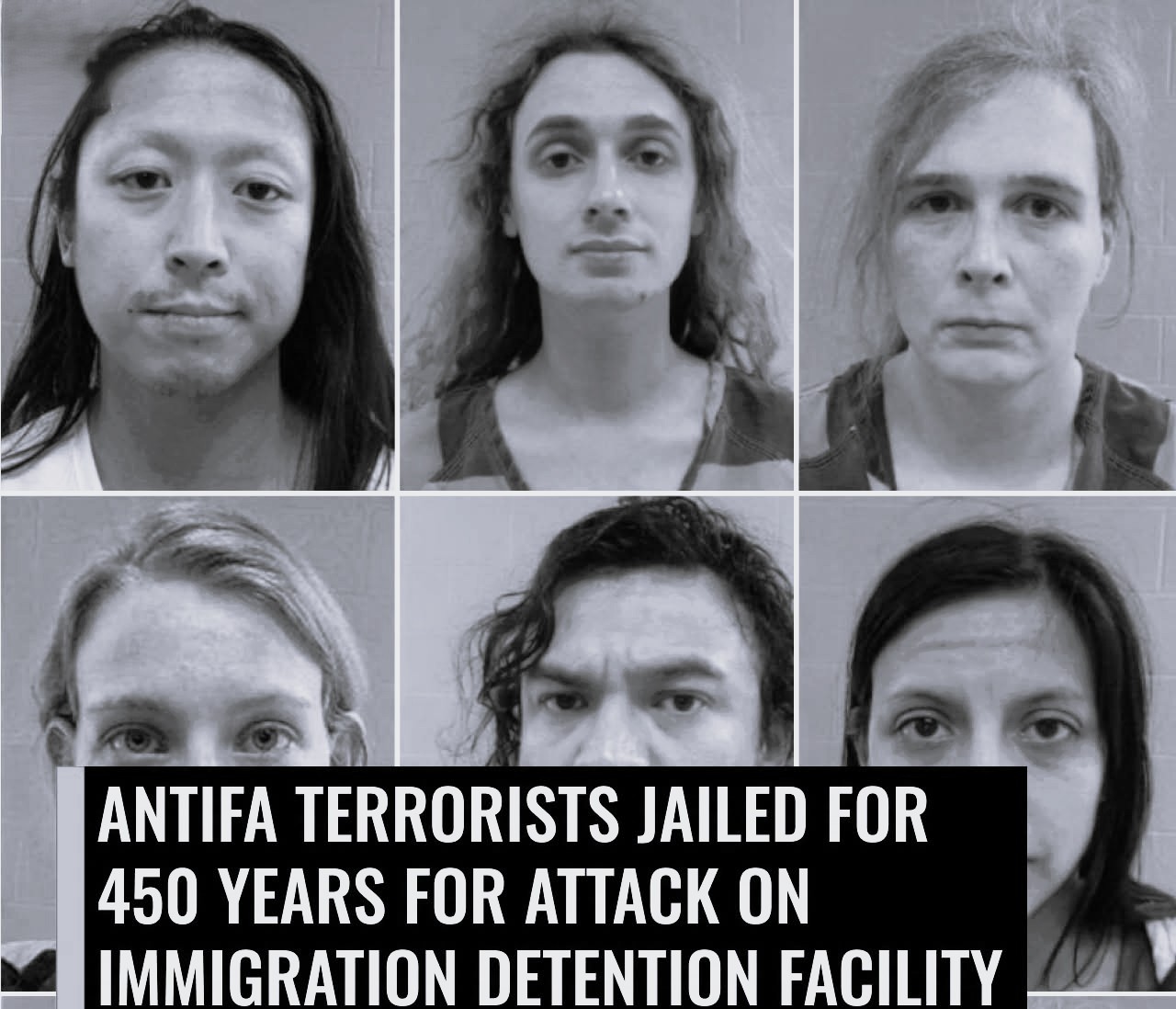
Recent court proceedings in the United States involving the attack on an immigration detention facility have once again drawn attention to the broader challenge of politically motivated violence. While the case centres on specific criminal allegations and court outcomes, it also raises larger questions about how democratic societies respond when ideological beliefs become linked to violent actions.
Political extremism is not defined simply by holding unpopular or controversial opinions.
Democratic systems are built to accommodate disagreement.
People routinely advocate for policies that others strongly oppose.
That alone does not threaten democracy.
The line is crossed when violence or criminal acts are used to advance political objectives.
At that point, the issue becomes one of public safety rather than political debate.
Security experts have repeatedly noted that violent extremism can emerge from a variety of ideological backgrounds.
Different countries face different threats.
Different movements adopt different narratives.
Different individuals are motivated by different grievances.
Yet many radicalisation pathways share common characteristics.
Increasing isolation.
Growing distrust of institutions.
Acceptance of violence as justified.
And the belief that ordinary democratic processes are no longer sufficient.
Those patterns have been observed across multiple forms of ideological extremism.
This is why law enforcement agencies generally focus on criminal behaviour rather than political identity alone.
Holding strong political opinions remains protected in democratic societies.
Planning or committing violent offences does not.
That distinction is essential.
It protects freedom of expression while allowing authorities to respond when public safety is threatened.
The challenge for democracies is maintaining both security and liberty at the same time.
Governments must protect citizens from violence.
They must also protect legitimate political participation.
Balancing those objectives is rarely straightforward.
Overly broad restrictions may undermine civil liberties.
Insufficient action may allow violent threats to grow.
Finding the right balance requires careful legal processes, independent courts and evidence-based investigations.
Another important lesson concerns the role of public discourse.
Most people who hold strong political views never engage in criminal conduct.
Likewise, participation in peaceful protest should not be confused with support for violence.
The overwhelming majority of political activism occurs within the law.
Recognising that distinction helps avoid unfairly characterising broader communities based on the actions of a small number of individuals.
Modern technology has also complicated the picture.
Online platforms allow ideas to spread rapidly across borders.
Individuals can interact with like-minded communities regardless of geography.
This creates opportunities for civic participation.
It can also create environments where extreme views are reinforced without meaningful challenge.
Many governments now invest in early intervention strategies aimed at preventing radicalisation before criminal conduct occurs.
Education.
Community engagement.
Mental health support.
Local partnerships.
These approaches seek to reduce the risk that vulnerable individuals move toward violence.
Criminal prosecutions remain an important tool when offences occur.
However, long-term prevention depends on addressing broader social and institutional factors as well.
Political disagreement will always exist.
It is an unavoidable feature of democratic life.
The challenge is ensuring those disagreements continue to be resolved through debate, elections, courts and peaceful civic participation rather than intimidation or violence.
Cases involving politically motivated offences therefore attract attention not only because of the crimes themselves.
They also prompt wider reflection about how democratic societies preserve both freedom and public safety.
The answers are unlikely to satisfy everyone.
Yet most democracies continue to share one common principle.
Political ideas may compete vigorously.
Violence cannot replace the democratic process.
Maintaining that distinction remains one of the most important responsibilities of modern democratic institutions.






