Housing, Tax And Confidence: Why Labor’s Economic Strategy Is Facing Fresh Pressure
Few issues affect Australians more directly than the value of their homes, the cost of living and confidence in the economy.
That is why recent political attacks on the Albanese Government’s economic agenda have attracted so much attention.
What began as a dispute over budget measures and tax reforms has expanded into a broader debate about housing prices, business confidence and the future direction of the Australian economy.
The latest criticism comes as some sections of the property market show signs of slowing after years of strong growth, while business groups continue voicing concerns about uncertainty surrounding proposed tax changes.
For many households, housing remains the most important economic issue in the country.
Whether Australians own a home, rent a property or hope to buy in the future, housing costs influence financial decisions in ways few other policy areas can match.
As a result, even relatively technical debates about taxation and investment incentives quickly become highly political.
The reason is simple.
People often view housing as more than an asset.
It represents financial security, family stability and long-term wealth creation.
Any policy perceived as affecting housing demand, housing supply or property values tends to attract strong reactions.
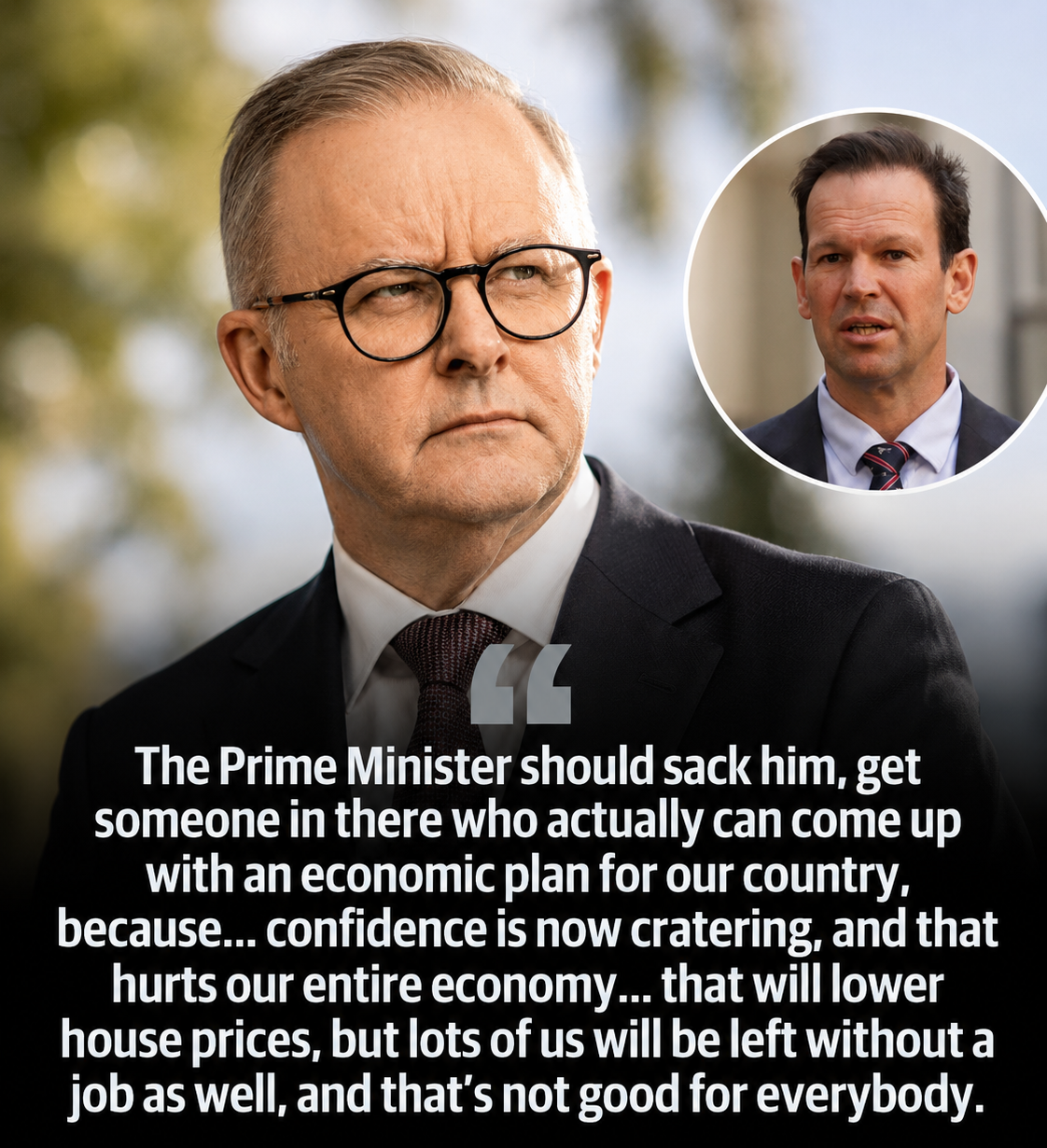
This has become increasingly evident during recent discussions about capital gains tax reforms, investment incentives and broader budget measures.
Supporters of the government’s approach argue that Australia faces serious structural challenges in housing affordability.
They contend that reform is necessary to improve access to home ownership, particularly for younger Australians who have struggled to enter the market.
From this perspective, policy changes are designed to create a more balanced system while addressing long-term affordability concerns.
Critics, however, fear unintended consequences.
Business organisations, investors and some economists have warned that uncertainty surrounding tax policy can influence investment decisions and reduce confidence.
When investors become cautious, the effects may extend beyond property markets into construction activity, business investment and employment growth.
This concern helps explain why recent policy reversals and amendments have generated so much discussion.
Opponents argue that repeated changes create uncertainty for businesses and households attempting to make long-term financial plans.
Supporters counter that governments must be willing to adjust policies when legitimate concerns are identified.
Both arguments have found audiences among voters.
That is because economic confidence is shaped by more than statistics alone.
Perception often plays a major role.
Consumers who feel uncertain about the future may spend less.
Businesses that anticipate weaker conditions may delay investment.
Property buyers who expect prices to fall may postpone purchases.
In each case, expectations can influence real economic outcomes.
This dynamic is particularly relevant at a time when Australia continues navigating a challenging economic environment.
Inflation pressures have eased compared with previous peaks, but many households still feel the impact of higher prices accumulated over recent years.
Interest rates remain an important consideration for borrowers.
Housing affordability remains a persistent concern in major cities.
At the same time, governments are under pressure to improve productivity, manage budgets responsibly and support economic growth.
Balancing these competing priorities is never easy.
The political challenge becomes even greater when voters are already focused on their own household finances.
For the Albanese Government, the key question is whether voters believe current policies will improve economic conditions over the coming years.
For the opposition, the challenge is convincing Australians that alternative approaches would deliver better outcomes.
That debate is likely to intensify as future economic data is released and housing market trends become clearer.
The outcome matters because housing influences many parts of the broader economy.
Construction activity supports jobs.
Property values affect household wealth.
Consumer confidence often rises and falls alongside perceptions about the housing market.
As a result, discussions about tax policy and budget measures rarely remain confined to economists and politicians.
They quickly become conversations about everyday life.
Can families afford to buy a home?
Will rents continue rising?
Will businesses keep investing?
Will wages grow strongly enough to keep pace with costs?
These are the questions many Australians are asking.
They are also the questions likely to shape economic and political debates well into the future.
As the government, opposition and business groups continue arguing over the best path forward, one thing remains clear.
The discussion is no longer just about a single budget measure or a single politician.
It is about confidence in Australia’s economic future and who voters trust to manage it.






