Australia’s housing market remains at the centre of political and economic debate after auction clearance rates fell to their weakest levels in years, prompting fresh questions about the impact of the Federal Budget’s property tax reforms.
While critics argue recent policy changes have reduced investor confidence and contributed to weaker market activity, Treasurer Jim Chalmers has rejected suggestions that the Albanese Government is deliberately attempting to drive down house prices or trigger a housing market crash.
Recent property data showed preliminary auction clearance rates falling below 50 per cent nationally, with Sydney recording its weakest result since 2020 and Melbourne experiencing its lowest clearance rate since the COVID-19 lockdown period. Property analysts describe the figures as reflecting one of the softest auction markets seen in several years.
Speaking in response to the latest figures, Treasurer Jim Chalmers said it would be inappropriate to conclude that the Federal Budget alone was responsible for the slowdown. He argued that several factors are influencing housing activity simultaneously, including higher interest rates, broader economic conditions and changing buyer confidence. According to Chalmers, auction clearance rates had already begun easing before some of the Budget measures are due to take effect.
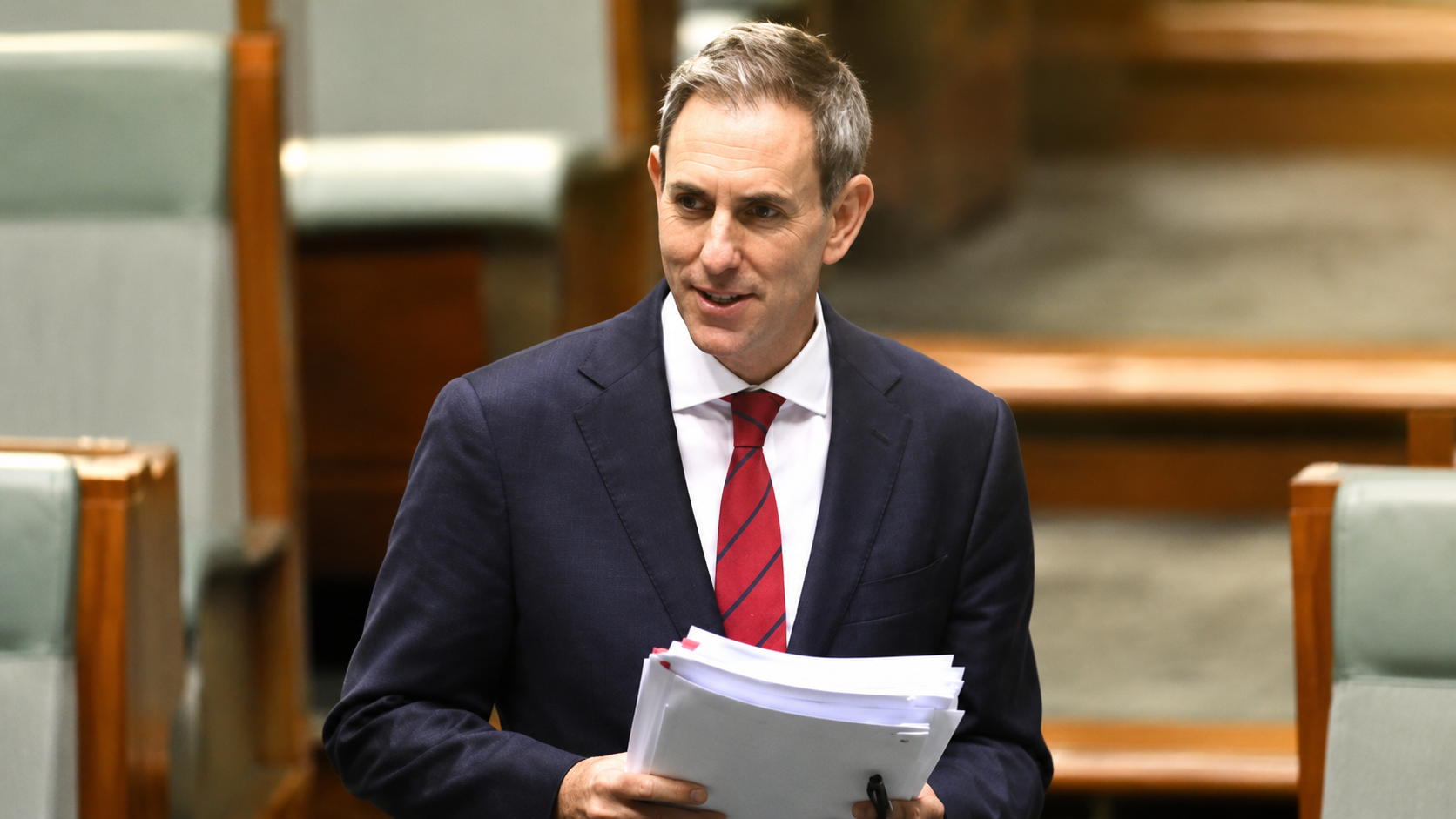
The Treasurer also rejected claims that the Government’s objective is to force property prices sharply lower. Instead, he said the reforms are intended to improve opportunities for first-home buyers by reducing competition from investors in parts of the established housing market while encouraging more investment in newly built homes. Chalmers argued that if the changes allow aspiring home buyers to compete more effectively at auctions, that would represent a positive outcome rather than evidence of market failure.
Critics of the reforms offer a different assessment. Industry representatives and some market analysts contend that changes to negative gearing and capital gains tax have reduced investor confidence, discouraging participation in the established housing market and contributing to weaker auction demand. They warn that lower investment activity could eventually affect housing supply and place additional pressure on rental availability if fewer investors enter the market.
Property economists generally agree that the current market is being influenced by multiple forces rather than a single policy decision. Analysts from Cotality and AMP have pointed to higher borrowing costs, elevated interest rates, affordability constraints, economic uncertainty and the Budget’s tax reforms as factors collectively weighing on buyer activity. Several economists also note that limited housing supply continues supporting prices in many locations despite softer auction conditions.
Housing Minister Clare O’Neil has similarly argued that changes in market conditions may provide opportunities for first-home buyers who previously struggled to compete against investors. At the same time, she has acknowledged that improving affordability also requires increasing housing supply through additional construction rather than relying solely on tax policy.
The Government’s broader housing strategy continues to focus on encouraging new residential construction while reducing tax incentives for investment in existing dwellings. Ministers argue these measures should gradually redirect investment toward increasing housing supply, whereas opponents believe the changes risk discouraging private investment before additional homes become available.
With auction activity expected to remain closely watched over coming months, analysts say it will take additional market data before the long-term effects of the Budget reforms can be assessed. Housing prices, investor participation, rental supply, interest rates and broader economic conditions will all continue influencing the direction of Australia’s property market as the policy changes are progressively implemented.






