Australia’s housing affordability debate has intensified after One Nation leader Pauline Hanson criticised the Federal Government’s five per cent home deposit scheme, arguing it could leave some buyers carrying greater financial risk during a softer property market.
Hanson’s comments came as newly released housing data showed national property prices recorded their largest monthly decline in several years. The figures have renewed discussion about the effectiveness of government housing policies at a time when affordability remains a major concern for many Australians.
Speaking about Labor’s policy, Hanson argued that allowing eligible buyers to purchase homes with a five per cent deposit may help people enter the market sooner but could also expose them to larger mortgage repayments and increased financial pressure if property prices fall or interest rates remain elevated. She described the policy as potentially “setting people up for failure,” reflecting her party’s position on the issue.
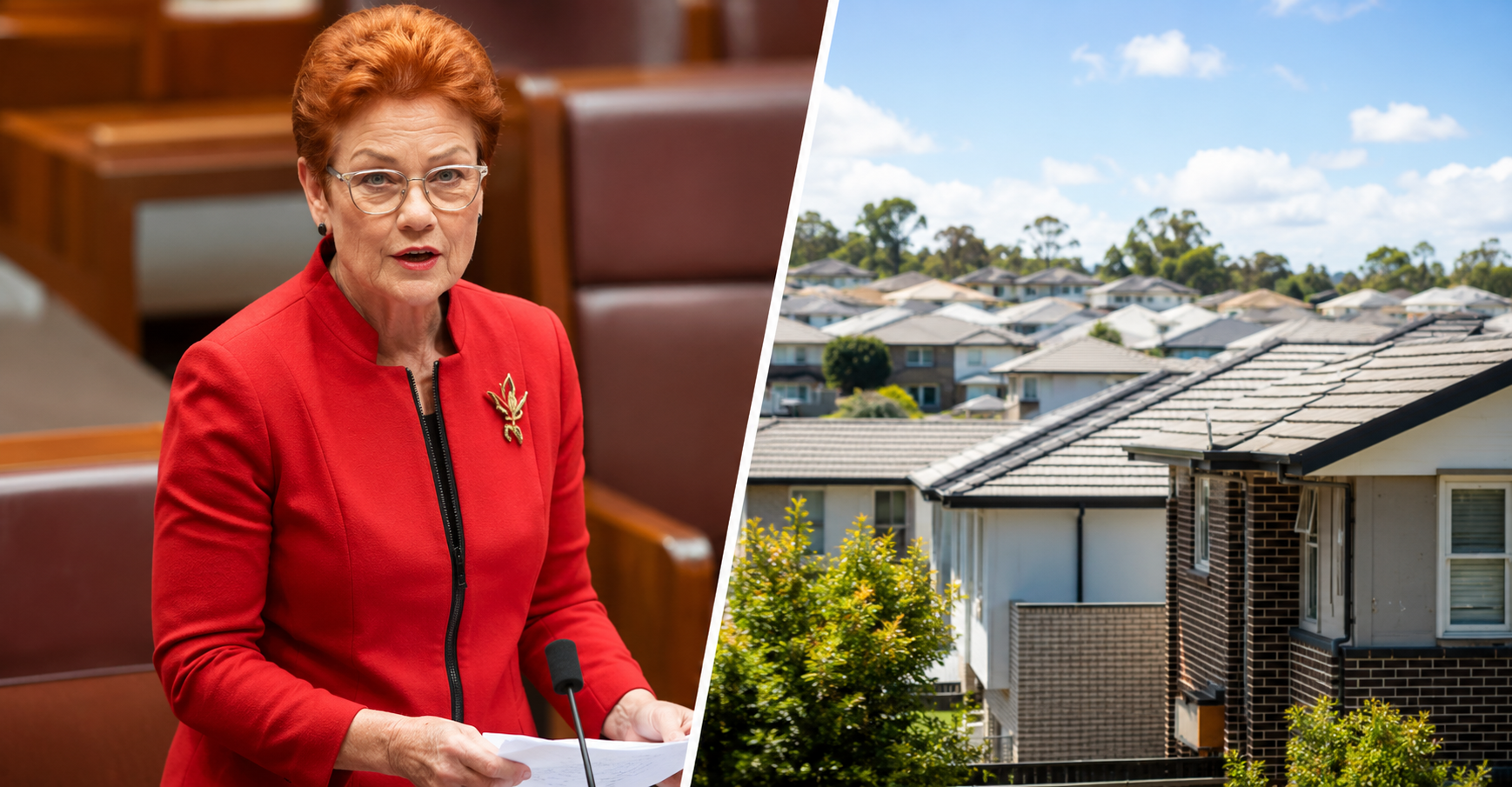
The Federal Government has defended the five per cent deposit scheme as one element of its broader housing strategy. Ministers have said reducing the size of the required deposit can help eligible first-home buyers overcome one of the biggest barriers to home ownership while complementing other measures designed to increase housing supply over time.
The latest housing figures indicate that Australia’s property market has cooled after a prolonged period of strong price growth. Sydney and Melbourne recorded some of the largest monthly declines, while market activity has also softened in several other regions. Analysts attribute the slowdown to a combination of higher borrowing costs, affordability constraints, slower buyer demand and broader economic conditions.
Housing economists caution that property prices are influenced by numerous factors rather than a single government policy. Interest rates, housing supply, population growth, migration, investor confidence and construction activity all play important roles in determining market performance, making it difficult to attribute recent price movements to one specific reform.
The debate over housing affordability continues to feature prominently in Australian politics. Government and opposition parties, along with crossbench representatives, have proposed different approaches to improving access to home ownership, ranging from expanding housing supply and planning reforms to changes in taxation, financing and assistance programs for first-home buyers.
Financial advisers generally encourage prospective buyers to consider their long-term borrowing capacity rather than focusing solely on the size of the required deposit. Household income, interest rate movements, ongoing ownership costs and personal financial circumstances all remain important factors when deciding whether to purchase a property.
As housing affordability continues to dominate public discussion, the effectiveness of existing support programs and broader market conditions is likely to remain a key issue for policymakers, industry groups and prospective home buyers across Australia.






