Australia’s housing market remains at the centre of political and economic debate as discussion continues over the Federal Government’s recent taxation reforms and their potential influence on property investment, affordability and market confidence.
Recent commentary has suggested the Albanese Government may continue facing political challenges as voters assess the long-term effects of changes affecting housing and taxation. The opinion argues that developments in the property market could keep these issues in the public spotlight rather than allowing attention to shift elsewhere. These views represent the author’s analysis and are not official government findings.
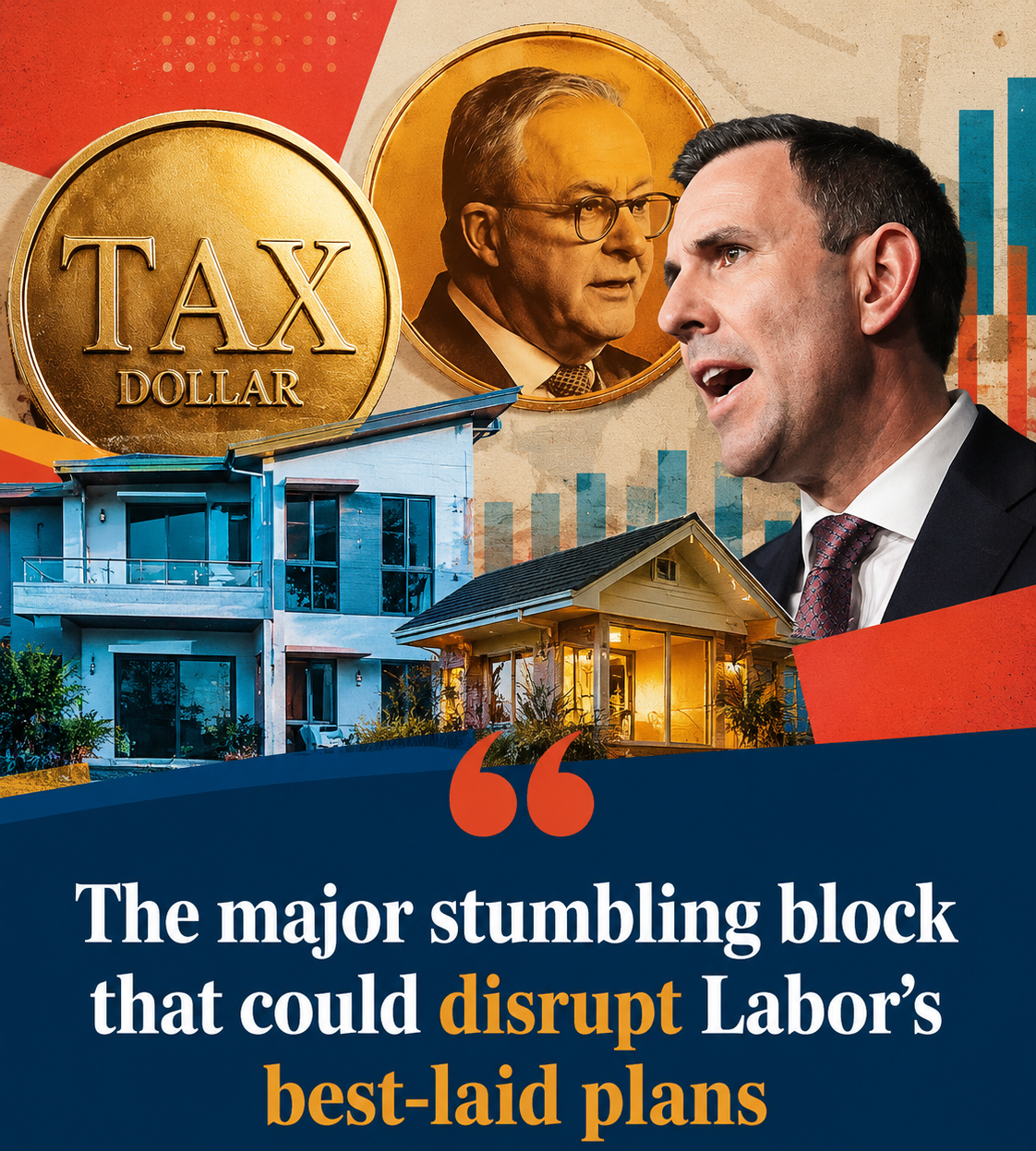
The Federal Government has consistently defended its reforms, stating that the measures are intended to improve housing affordability, strengthen the integrity of the tax system and expand opportunities for first-home buyers. Ministers have argued that long-term structural reform is necessary to address challenges affecting Australia’s housing market.
Opposition politicians, some property industry representatives and a number of commentators have questioned whether aspects of the reforms could reduce investor confidence or contribute to softer conditions in residential property markets. They argue that changes affecting investment decisions may influence housing supply and market activity over time, although opinions vary across the sector.
Housing economists caution that residential property prices are shaped by numerous factors operating simultaneously. Interest rates, mortgage borrowing costs, housing construction, population growth, migration, employment conditions and consumer confidence all play significant roles in determining market performance. As a result, analysts generally advise against attributing changes in property values to a single policy initiative.
Recent housing data indicating softer market conditions has renewed discussion about affordability, investment and future supply. While lower property prices may improve purchasing opportunities for some prospective buyers, financing costs and broader economic conditions continue to affect household purchasing power.
Policy specialists note that taxation settings form only one part of Australia’s broader housing framework. Planning regulations, land availability, infrastructure investment, construction capacity and monetary policy also influence the balance between housing supply and demand across different regions.
As Parliament continues debating economic policy, housing is expected to remain one of the most closely watched issues by households, investors and businesses. Future market trends will depend on a combination of government policy, Reserve Bank decisions, economic conditions and confidence among buyers and sellers.
With additional economic data expected in the coming months, policymakers and market participants will continue monitoring whether recent housing trends represent a temporary adjustment or part of a longer-term shift in Australia’s residential property market.






