Australia’s housing and energy policies remain at the centre of political debate as the Federal Government defends its long-term reform agenda while critics question whether key targets can be achieved without creating unintended economic consequences.
The discussion has intensified following commentary examining Labor’s plans for housing affordability, renewable energy and economic reform. Supporters argue the reforms are designed to address structural problems that have developed over many years, while critics contend implementation risks could outweigh the expected benefits.
One area of debate concerns the Government’s target of delivering 1.2 million new homes by mid-2029. Industry forecasts cited in recent reporting suggest Australia may fall short of that objective unless construction activity accelerates significantly. The Government has responded by introducing measures intended to increase housing supply, support first-home buyers and encourage more residential development.
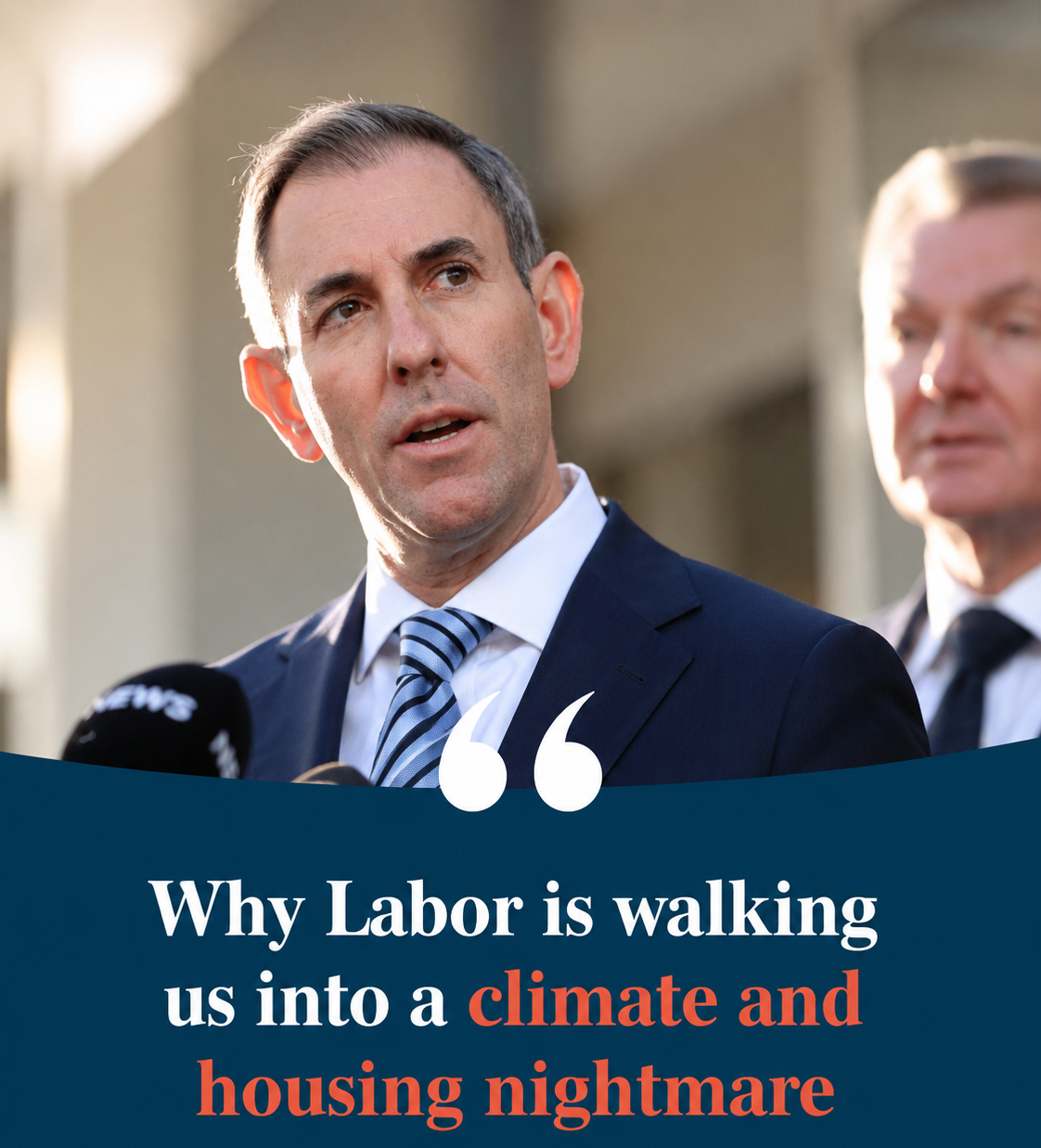
Housing tax reforms have also attracted significant attention. The Government argues that changes affecting investment incentives are intended to improve housing affordability over time rather than reduce property values. Prime Minister Anthony Albanese has previously said slower house price growth could improve opportunities for younger Australians while maintaining an orderly property market. Opponents argue the reforms could discourage investment and reduce confidence among property investors.
Energy policy represents another major point of disagreement. Labor continues to pursue its target of generating 82 per cent of Australia’s electricity from renewable sources by 2030 as part of its broader emissions reduction strategy. Climate and Energy Minister Chris Bowen has acknowledged the scale of the transition while maintaining that renewable energy investment remains central to Australia’s long-term economic and environmental objectives.
Critics argue that both the housing and energy transitions involve substantial implementation challenges, including planning approvals, workforce shortages, construction capacity and electricity network upgrades. Government ministers respond that these challenges are being addressed through long-term investment, cooperation with state governments and ongoing infrastructure development.
Independent economists note that housing affordability is influenced by a wide range of factors including population growth, migration, interest rates, construction costs and planning systems. Likewise, electricity prices and grid reliability depend on fuel markets, transmission infrastructure, generation investment and demand patterns, making it difficult to attribute future outcomes to any single policy.
As Australia continues balancing economic growth, housing affordability and climate commitments, debate over the Government’s policy settings is likely to remain a major political issue. Whether Labor’s reforms ultimately achieve their intended outcomes will become clearer as additional housing, energy and economic data emerge over the coming years.






